
Retail discounts as a real-time signal of consumer tech demand
A cluster of promotions across gaming, accessories, audio, and location tracking may look like routine deal chatter, but the pattern is more revealing: e-commerce pricing is increasingly being used as a demand-sensing instrument. Woot and Amazon are leaning into targeted markdowns on products that sit at the intersection of discretionary spending (“treat yourself” categories like games and premium speakers) and practical utility (charging cables and trackers).
Notably, the discounts are not uniformly “clearance-like.” They are calibrated—often shaving just enough off MSRP to trigger conversion while preserving brand positioning:
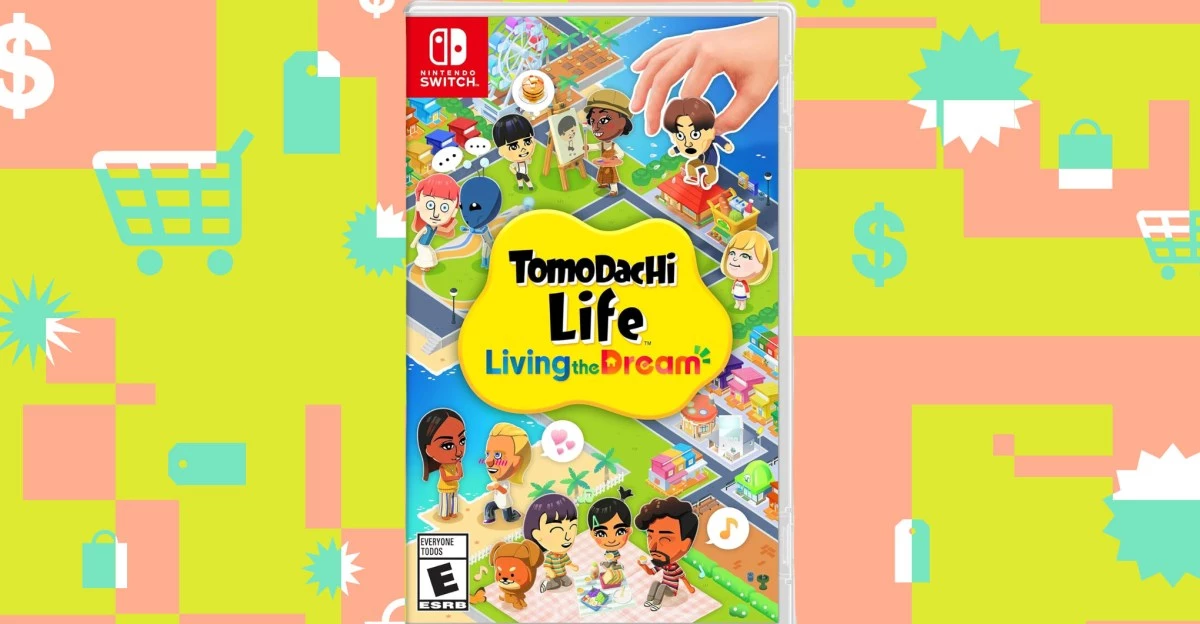
- Tomodachi Life: Living the Dream (Nintendo Switch) at US$52.99 (from US$59.95) via Woot, marketed as a region-free international edition, with mention of improved load times on Switch 2.
- Apple-branded woven USB‑C cables (1 m, 60 W power, USB 2 data rates) at US$14.99, with bulk pricing and an additional 10% off using coupon APPLETEN.
- Marshall Stanmore III speaker at US$249.99 (down from US$399.99) on Amazon, emphasizing Bluetooth 5.2 plus 3.5 mm aux and RCA inputs.
- Life360 Tile Slim trackers (2-pack) at US$30 (roughly 50% off), highlighting a wallet-friendly form factor, SOS/emergency features, and iOS/Android compatibility.
For business and technology leaders, these are less “shopping tips” than market telemetry: where retailers believe elasticity exists, where inventory is comfortable, and which ecosystems are being defended through pricing.
Nintendo’s social-simulation bet and the economics of backward-compatible performance
The Tomodachi Life promotion is instructive because it spotlights two strategic currents at once: the resilience of social-simulation franchises and the hardware roadmap logic of backward compatibility. Social simulators thrive on emergent, player-driven storytelling—less about scripted plot and more about unpredictable interactions, personalization, and community sharing. That design philosophy tends to produce long-tail engagement, which is precisely what platform holders want as content costs rise and attention fragments.
The mention of improved load times on Switch 2 is more than a technical footnote. It signals a familiar console transition playbook: preserve the existing library, then make it feel meaningfully better on new hardware. If performance uplift is visible—faster loads, smoother transitions, better responsiveness—older titles become upgrade incentives, not dead weight.
From a monetization standpoint, social simulators also offer optionality. Even without asserting any specific product plans, the category naturally lends itself to:
- Downloadable content (DLC) and cosmetic personalization
- Seasonal events and limited-time engagement loops
- Potential brand collaborations that feel native to avatar-driven worlds
In other words, a modest discount on a region-free edition isn’t just about unit sales; it can be a gateway into recurring engagement—and, by extension, platform services such as online subscriptions and digital storefront spending.
The accessory squeeze: USB‑C standardization, brand lock-in, and margin reality
Apple’s discounted woven USB‑C cable is a small product with outsized signaling power. The broader industry is moving toward unified charging standards, and USB‑C is increasingly the default expectation rather than a premium differentiator. As standardization accelerates, accessories become a battleground where brands must balance three competing goals:
- Protect ecosystem perception (reliability, safety, “it just works”)
- Defend against third-party commoditization (cheaper alternatives everywhere)
- Maintain margin discipline in a category trending toward price compression
The cable’s specification—60 W power paired with USB 2 data speeds—is a pragmatic compromise. It covers mainstream charging needs while keeping bill-of-materials and positioning aligned with a high-volume accessory. The presence of bulk pricing and a coupon mechanic suggests a mature promotional strategy: use accessories as conversion accelerators, potentially as add-ons that lift cart value or reduce friction for new device owners.
For retailers, these items can function as traffic drivers. For brands, they can act as ecosystem glue—not necessarily because a cable is unique, but because it reinforces purchasing habits inside a trusted brand perimeter.
Analog credibility in a streaming world, and the normalization of personal safety IoT
The Marshall Stanmore III discount highlights a different kind of hedging strategy: blending modern convenience with legacy compatibility. A speaker that pairs Bluetooth 5.2 with 3.5 mm aux and RCA inputs is effectively acknowledging two audiences at once—streaming-first consumers and those who still value physical or analog sources. The “amp-inspired” aesthetic is not mere nostalgia; it’s a form of brand differentiation in a market where many wireless speakers converge on similar feature sets.
Meanwhile, the Life360 Tile Slim promotion underscores how location tracking has shifted from novelty to utility. The wallet-friendly form factor and cross-platform support point to a category that is increasingly framed around risk reduction—lost items, travel friction, family coordination, and emergency readiness. The inclusion of SOS/emergency features also reflects a broader consumer expectation: connected devices should do more than locate objects; they should contribute to personal security.
Across both products, a common theme emerges: hardware is being positioned as a bridge between worlds:
- Digital-first experiences (Bluetooth streaming, app-based tracking)
- Fallback reliability (wired inputs, wallet-ready trackers)
- Service adjacency (subscriptions, premium features, extended support)
Under current cost-of-living pressures and muted discretionary growth, these discounts read as a disciplined attempt to keep demand moving without collapsing perceived value. The companies that will outperform are those that treat promotions not as blunt instruments, but as precision levers—linking one-time purchases to durable ecosystems, service adoption, and brand trust in categories where consumers increasingly expect both savings and staying power.

 By
By
 By
By

 By
By
 By
By

 By
By