



The New Minimalism in Motion: How Carry-On Culture is Redefining Global Travel
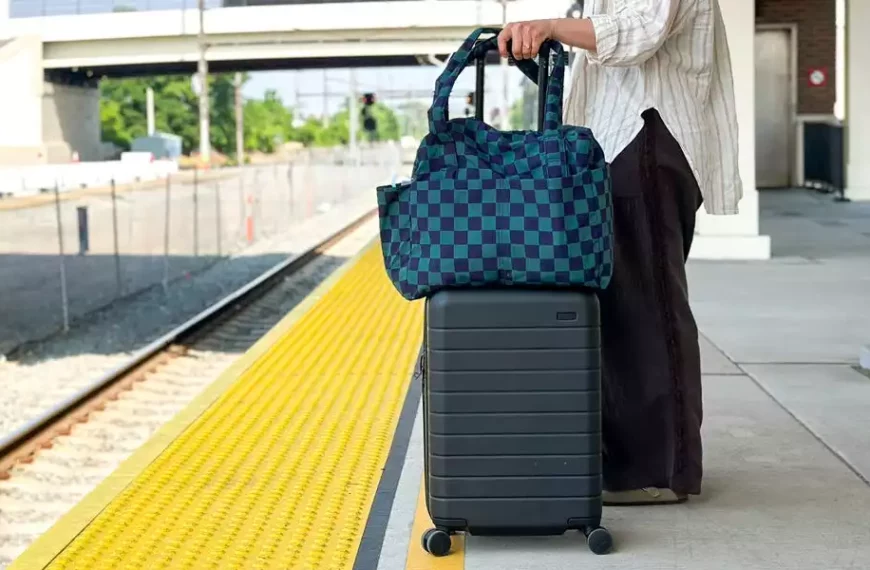
A quiet revolution is rolling down the concourses of the world’s airports, and it fits neatly in the overhead bin. What began as a pragmatic family hack—a two-week Italian sojourn navigated with nothing but carry-on bags—has become a harbinger of a broader transformation rippling through the travel ecosystem. The “carry-on only” ethos, once the domain of road warriors and travel bloggers, is now a mainstream movement, reshaping everything from airline economics to the design of hotel amenities and the very materials that fill our suitcases.
The Anatomy of a Shift: Why Travelers Are Ditching Checked Bags
Several converging forces have propelled this shift from checked to carry-on luggage, each reinforcing the other in a feedback loop of convenience, cost, and culture.
- Cost Sensitivity and Fee Arbitrage
The proliferation of baggage fees—now a formidable 4–6% of global airline revenue—has made travelers acutely aware of the price of convenience. Families, especially, are proving adept at sidestepping these charges, transforming what was once an “optional” expense into a strategic target for savings.
- Reliability and Trauma-Informed Travel
The summer of 2022 left a scar on the collective psyche of travelers, as baggage mishandling rates soared to unprecedented levels in major European hubs. The specter of lost luggage has driven a psychological pivot: travelers now crave the certainty of self-contained mobility, viewing checked bags as a liability rather than a luxury.
- Minimalist Mindset and Experiential Values
The post-pandemic era has ushered in a new appreciation for experiences over possessions. Packing light is no longer a sacrifice but a statement—a reflection of a broader “less is more” philosophy that prizes flexibility and freedom over abundance.
- Technological Enablement
The rise of direct-to-consumer luggage brands has elevated the carry-on from mere utility to aspirational object, with innovations in lightweight materials, spinner wheels, and even IoT-enabled tracking. Meanwhile, planning apps and hyper-local weather data empower travelers to pack with surgical precision, shrinking the margin for error and anxiety.
Strategic Reverberations Across the Travel Value Chain
The ascendancy of carry-on culture is not a mere consumer fad; it is a structural shift with profound implications for every node in the travel value chain.
- Airlines: Revenue Realignment and Cabin Economics
For carriers, the calculus is complex. While the decline in checked-bag fees threatens a lucrative revenue stream, operational savings abound: reduced ground-handling costs, quicker turnarounds, and even lower fuel burn thanks to lighter payloads. Yet, the increased volume of cabin baggage intensifies boarding congestion, prompting airlines to experiment with monetizing overhead bin space or introducing “bag valet” services. The net effect will likely diverge by business model, with ultra-low-cost carriers and full-service airlines charting distinct paths.
- Hospitality and Infrastructure: Amenity Arms Race
The ripple effects extend to accommodation providers, where proximity to laundry facilities or in-unit washers is fast becoming a sought-after amenity. Micro-mobility operators—from ferry lines to heritage site managers—welcome the reduced footprint of travelers unencumbered by bulky suitcases, easing bottlenecks and wear on infrastructure. In the fashion and retail sectors, the demand for versatile, fast-drying apparel is catalyzing a shift toward capsule wardrobes and multi-use performance fabrics.
- Luggage and Travel Tech: Modular Innovation and Embedded Services
The luggage industry stands at an inflection point, with opportunities for modular, stackable systems and child-friendly designs that double as ride-on toys. Embedded digital services—subscription-based packing lists, insurance, and blockchain-powered lost-bag tracking—promise to layer new revenue streams atop traditional hardware sales.
Beyond the Obvious: Sustainability, Efficiency, and Competitive Advantage
The implications of carry-on culture extend well beyond the traveler’s personal experience, touching on sustainability, workforce dynamics, and even aircraft design.
- Sustainability Dividends
Every kilogram kept out of the cargo hold translates into tangible CO₂ savings—an emerging lever for companies seeking to reduce Scope 3 emissions. The mass adoption of carry-on travel could become a meaningful metric in corporate ESG strategies.
- Operational Resilience
With less checked luggage, airlines can ease their dependence on ground-handling labor—a critical advantage amid persistent staffing shortages and rising wage pressures.
- Aircraft Interior Innovation
Freed from the tyranny of checked-bag volume, aircraft manufacturers gain new flexibility to reallocate cargo space for auxiliary fuel tanks or freight, opening fresh avenues for long-haul economics.
- Insurance and Ancillary Revenue
As lost-bag claims diminish, insurers may recalibrate travel policy pricing, potentially freeing consumer budgets for premium experiences or destination activities.
The trajectory is clear: by 2026, carry-on-only travel is projected to capture a 60% share among families and leisure travelers in advanced economies—a seismic leap from pre-pandemic norms. Early movers—airlines that bundle laundry credits, partner with smart-bag innovators, or dynamically price bin space—stand to redefine loyalty and unlock new value pools. For investors, the signal is equally strong: upstream suppliers of lightweight composites and SaaS packing platforms are poised for outsized growth.
What began as a family’s logistical experiment now foreshadows a systemic recalibration of the travel experience. The leaders who recognize carry-on culture as a macro design parameter—rather than a passing consumer quirk—will be best positioned to capture the operational, financial, and environmental dividends of this new era in global mobility.

 By
By
 By
By

 By
By

 By
By
 By
By

 By
By
 By
By







