
The Reimagined First-Class Cabin: Delta’s Strategic Bet on Experiential Premium Travel
Delta Air Lines’ October 2025 first-class refresh is more than a hospitality flourish—it is a calculated move in the evolving chess match of global aviation. As the airline industry emerges from the turbulence of the pandemic era, Delta’s nuanced approach to premium travel reveals a deeper playbook: one that fuses operational precision, algorithmic pricing, and lifestyle branding to capture the hearts—and wallets—of a newly experience-hungry clientele.
This transformation is not isolated. It is a reflection of three converging macro-forces: the inflation of consumer expectations around experience, the industry-wide shift toward premium seat mixes as a buffer against cost volatility, and the merging of travel with broader lifestyle and wellness ecosystems. The $150 same-day first-class upsell, seemingly modest, is the tip of a sophisticated, data-driven spear.
Micro-Innovations and Macro Impact: The Anatomy of Delta’s Premium Play
Delta’s upgraded first-class service is built on a lattice of incremental, high-impact innovations:
- Operational Friction Removal: Sky Priority lanes are more than a convenience; they are a monetization of time, transforming minutes saved into tangible value for premium passengers.
- Cabin Micro-Innovation: Redesigned storage, power ports, and tray tables deliver comfort without the need for costly wide-body retrofits, exemplifying agile, modular upgrades.
- Curated Brand Partnerships: The introduction of Grown Alchemist amenities is a masterstroke in co-branding, turning the cabin into a canvas for lifestyle marketing and elevating the inflight experience to a wellness ritual.
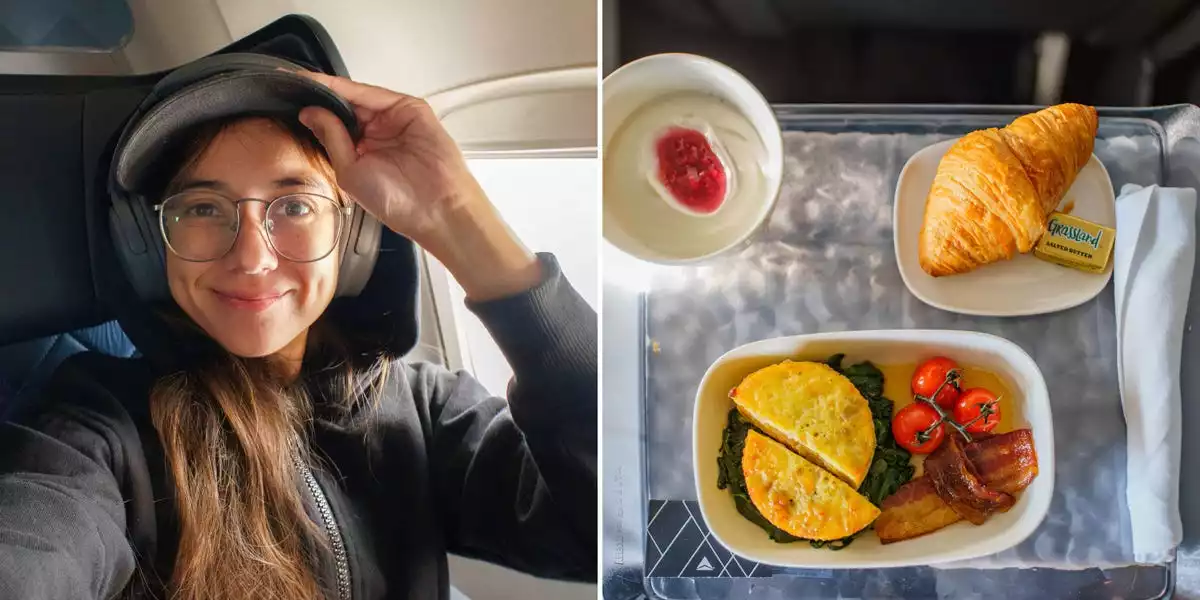
- Culinary Upshift: Chef-driven, nutrition-forward menus reinforce Delta’s move toward lifestyle branding, generating organic buzz and word-of-mouth amplification across social platforms.
- Dynamic Revenue Management: The real engine behind the $150 upgrade is an AI-powered system parsing loyalty signals, demand curves, and even local hotel occupancy to micro-target offers and clear inventory at optimal price points.
These enhancements are not merely cosmetic. Industry data suggest that even a single percentage-point increase in premium seat share can yield a 3–5 point boost in operating margin—an invaluable hedge against the sector’s perennial nemeses: fuel and labor cost volatility.
Data, Design, and the New Premium Loyalty Loop
Underpinning this transformation is an invisible architecture of data and technology. Delta’s dynamic upgrade pricing is just one manifestation of a broader shift toward AI-driven seat commerce, where real-time analytics inform not only inventory clearance but also the orchestration of ancillary services—Wi-Fi, lounge access, even carbon offsets—through a seamless, aviation-specific “App Store.”
- Biometrics & Seamless Identity: As TSA accelerates biometric adoption, Delta is poised to translate premium fares into guaranteed service-level agreements, with facial recognition corridors promising a curb-to-gate experience as frictionless as it is exclusive.
- Crew Empowerment: Handheld devices already surface loyalty and preference data, but the next leap will be real-time, seat-level personalization—think à-la-carte wine pairings or bespoke amenity kits, tailored and upsold on the fly.
- Cabin IoT: Sensor arrays embedded in seats will soon yield a trove of behavioral data, informing not just predictive maintenance but iterative design—creating a feedback loop valuable to both Delta and its OEM partners.
The financial implications extend well beyond ticket sales. First-class conversions disproportionately drive co-branded credit card spend, deepening lucrative partnerships—such as Delta’s with American Express—and creating a loyalty flywheel that rivals traditional passenger revenue growth.
Experience as Destination: The New Economics of Aviation
Delta’s approach is emblematic of a broader industry pivot: flights are being reimagined not as mere transportation, but as “micro-vacations”—a service-first, goods-second proposition that aligns with secular trends in consumer spending. This reframing enables airlines to tap into the post-pandemic surge in demand for experiences over possessions, while also justifying premium pricing in a sector where inflationary pressures persist.
Yet, this experiential upgrade is not without its complexities. Premium cabins, while lucrative, carry higher per-passenger emissions. Delta’s sustainability commitments—particularly its investments in sustainable aviation fuel—are inextricably linked to the margins generated by these premium offerings, creating a virtuous (or, some might argue, necessary) cycle between luxury and environmental stewardship.
For decision-makers, the implications are clear:
- Rebalance fleet portfolios toward higher premium seat mixes as a strategic hedge.
- Invest in unified digital platforms to dynamically surface upgrade and ancillary offers.
- Curate high-margin partnerships that amplify both revenue and brand equity.
- Leverage premium cash flows to underwrite sustainability investments, aligning with both consumer values and institutional investor expectations.
- Prioritize data-driven personalization to outpace competitors focused solely on hardware upgrades.
Delta’s first-class reinvention, then, is not just a story of comfort and cuisine—it is a window into the future of aviation, where data, design, and differentiated experience converge to define the next era of premium travel. In this landscape, those who master the art of algorithmic hospitality and strategic partnership will not only capture the most resilient segments of demand but will also shape the very meaning of flight itself.

 By
By
 By
By
 By
By
 By
By
 By
By

 By
By
 By
By