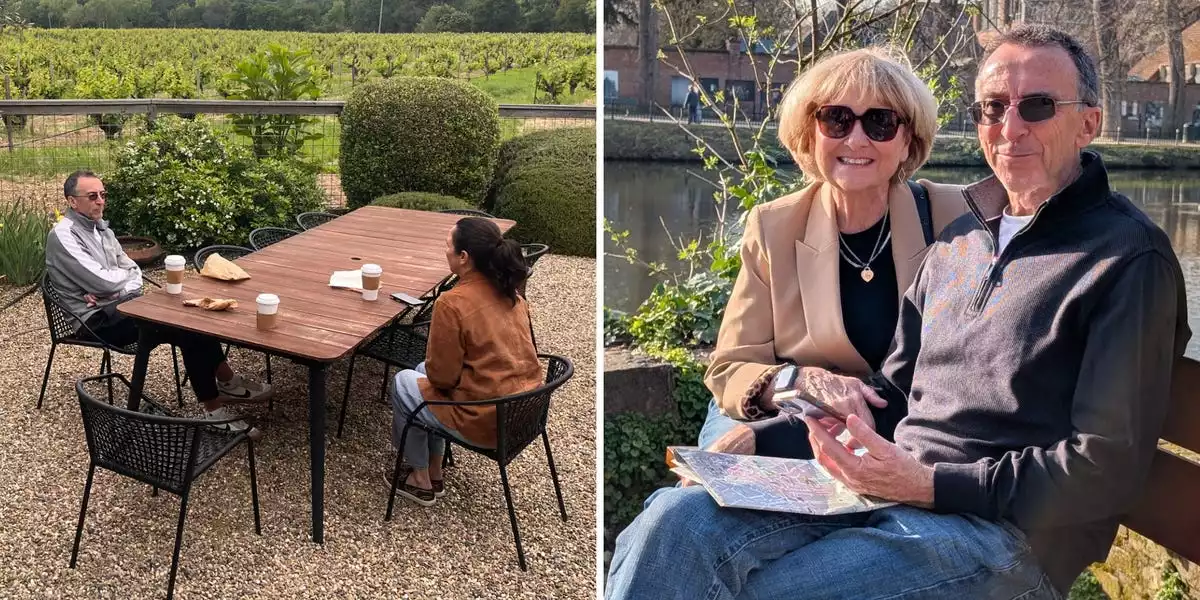

A Healdsburg weekend that signals a broader shift in premium travel demand
A personal account of a mother stepping away from child-centric routines for a weekend retreat with her own parents—set in Healdsburg, one hour north of San Francisco—reads, on the surface, like a quiet lifestyle vignette: wine tastings, unhurried meals without a children’s menu, and an overnight stay in a restored vineyard farmhouse. Yet beneath the intimacy is a clear indicator of where the experience economy is heading.
This is not simply “wine country tourism.” It is a form of multigenerational, adult-forward travel that reflects changing household structures, evolving parental identities, and a growing willingness to allocate discretionary spending toward restorative, story-rich experiences. The narrative’s emotional center—rediscovering oneself as a daughter and hearing immigrant family history anew—also underscores a commercial reality: in a crowded hospitality market, meaning and provenance are becoming as valuable as amenities.
For business leaders in travel, wine, and luxury services, the takeaway is pragmatic: the next wave of growth may come less from adding features and more from designing environments that help adults reconnect—socially, culturally, and psychologically—across generations.
How technology is quietly reshaping wine tourism and “adult identity” travel
Even when a story doesn’t explicitly foreground digital tools, modern travel is increasingly mediated by them. The “seamless” nature of curated tastings and property experiences points to a rising baseline expectation: personalization should feel effortless.
Several technology vectors are converging here:
- CRM-driven hospitality and AI recommendations: Wineries and boutique properties are moving toward data-informed guest profiles—preferences for varietals, pacing, food pairings, accessibility needs, and even conversational interests. The competitive edge comes from translating that data into bespoke tasting flights and tours that feel intuitive rather than transactional.
- Interactive storytelling via AR/VR and mobile experiences: The narrative’s multigenerational storytelling—particularly the immigrant journey and family origin moments—highlights an underused asset in wine tourism: structured, immersive provenance. AR overlays, app-based vineyard “chapters,” or on-site digital kiosks can turn history into a guided experience without diluting authenticity.
- Remote work infrastructure as a travel multiplier: As remote and hybrid work normalize, especially in knowledge-economy roles, travel becomes less episodic and more modular. Properties that offer reliable high-speed connectivity, quiet workspaces, and flexible check-in/out can capture longer stays and midweek demand. Importantly, this also creates room for “identity travel”—short breaks that are not family vacations, but not business trips either.
- Platform convergence and digital concierge models: Online travel agencies and vertical platforms (wine tourism, agritourism, wellness travel) are increasingly positioned to bundle logistics with services—transportation, reservations, local guides, and even family support—through unified interfaces. For operators, this raises the stakes on API-ready booking systems and partner integrations.
The strategic implication is straightforward: premium guests increasingly expect the precision of technology with the warmth of human hosting. The winners will be those who can blend both without making the experience feel automated.
The multigenerational experience economy meets wellness, DTC commerce, and brand moat strategy
Economically, the story aligns with a macro pattern: as birth rates flatten across many developed markets and populations age, a larger share of discretionary spend shifts toward adult leisure and multigenerational connection. The “sandwich generation”—adults balancing children and aging parents—often has both the motivation and the means to pay for experiences that restore energy and reinforce family bonds.
Three business dynamics stand out:
- Wellness-leisure convergence: The restorative quality of quiet walks among old vines and unhurried coffee is not incidental; it is the product. Wellness is no longer confined to spas and fitness programming. It is increasingly defined by pace, sensory calm, and emotional replenishment, allowing properties to command premium pricing through design, service, and curated stillness.
- Direct-to-consumer (DTC) wine economics: Winery-door tastings remain one of the highest-leverage conversion points for wine club memberships, subscriptions, and repeat purchasing. The modern DTC playbook extends beyond the tasting room: frictionless e-commerce, compliant shipping logistics, and virtual tasting touchpoints can increase customer lifetime value long after the weekend ends.
- Authentic storytelling as competitive insulation: The emotional hook in the narrative—learning more about an immigrant dating story and family origins—illustrates how human narratives differentiate brands in saturated markets. For wineries and hospitality groups, professionally produced content that is grounded in real people and place can function as a durable moat, driving social engagement and reinforcing luxury positioning without relying on discounting.
In other words, the “product” is increasingly a blend of place + story + belonging, with technology and commerce layered underneath.
What hospitality and wine operators can do next—without losing authenticity
The most actionable lesson is not to industrialize intimacy, but to operationalize the conditions that make it possible. Several strategic moves emerge naturally from the themes in the account:
- Design multigenerational packages with modularity: Offer tiered itineraries that let guests choose adult-only experiences, multigenerational activities, or mixed formats. Add-ons—such as evening childcare partnerships, senior-friendly wellness sessions, or guided storytelling dinners—can be booked via mobile without forcing a one-size-fits-all “family package.”
- Invest in “smart vineyard” transparency: IoT sensors and terroir analytics can improve operations, but they can also enhance guest engagement when translated into accessible narratives—interactive displays showing vine health, microclimate patterns, or vintage variation. This positions an estate as both premium and innovative, appealing to tech-forward travelers.
- Build cross-sector partnerships: Remote-work platforms, wellness brands, and high-end childcare services can form an ecosystem that supports longer stays and higher spend. Co-branded retreats—wine plus well-being, or vineyard stays plus remote-work amenities—create new revenue streams while reducing customer planning friction.
- Use AI for personalization, not impersonality: Machine learning can tailor itineraries, tasting notes, and dining suggestions based on prior visits and stated preferences. The key is to keep the interface subtle and the hosting human—AI as backstage intelligence, not the face of hospitality.
The Healdsburg weekend may be framed as a personal reset, but it also reads as a market signal: premium travel is increasingly about adult reconnection and multigenerational meaning, delivered with the quiet competence of modern technology and the enduring power of a story well told.

 By
By
 By
By
 By
By
 By
By
 By
By
 By
By