
Florida’s State Parks: The New Frontier of Experiential Travel and Sustainable Investment
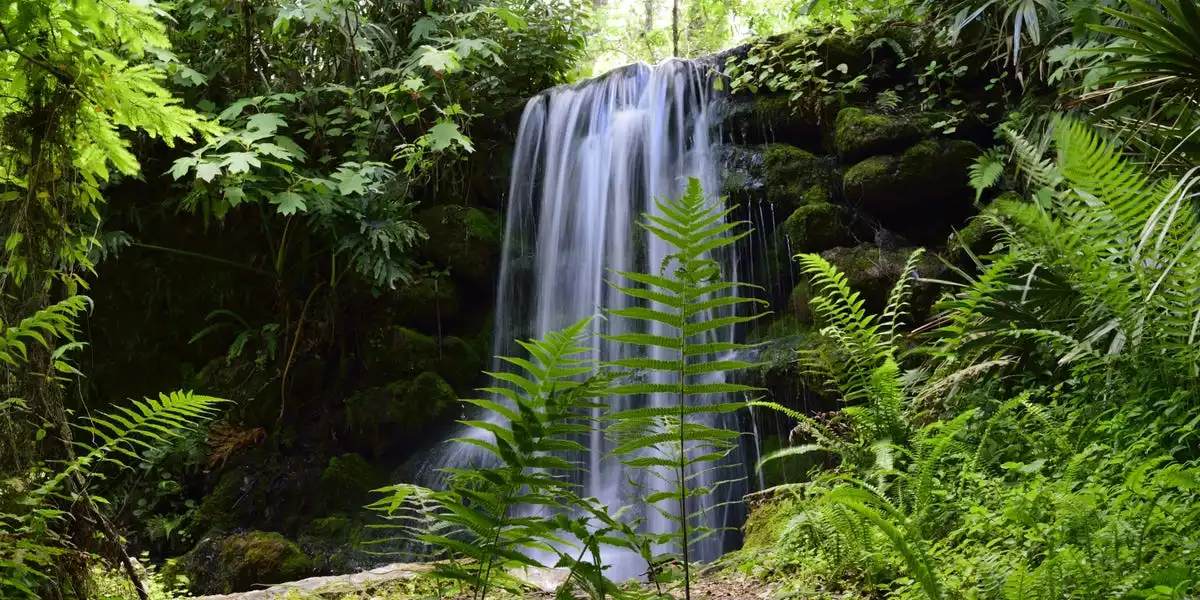
As Florida’s sun-drenched coastlines and neon-lit theme parks continue to draw millions, a quiet revolution is reshaping the state’s tourism landscape. The constellation of state parks—Honeymoon Island, Anastasia, Big Talbot Island, Jonathan Dickinson, and Rainbow Springs—now commands a rarefied allure. These natural sanctuaries are emerging as high-value alternatives to the state’s commercialized epicenters, capturing a rising consumer appetite for authenticity, wellness, and immersive experience.
The Digital and Economic Architecture Behind the Shift
Beneath the surface of this trend lies a sophisticated interplay of technology and capital. Digital reservation systems, crowd-management apps, and dynamic pricing engines are quietly transforming these “hidden gems” into data-driven assets. By leveraging geospatial analytics—drones mapping footfall, LiDAR monitoring environmental impact—park authorities can optimize both visitor experience and conservation spend. The result is a delicate equilibrium: maximizing revenue without sacrificing ecological integrity.
This transformation is not occurring in a vacuum. Public–private partnerships, increasingly reliant on ESG-linked capital, are unlocking new streams of green bonds and sustainability-linked loans. Florida’s state parks, with their quantifiable carbon sequestration and biodiversity metrics, are well-positioned to satisfy emerging disclosure frameworks such as the Taskforce on Nature-related Financial Disclosures (TNFD) and the International Sustainability Standards Board (ISSB). The parks’ ability to deliver measurable nature-positive outcomes is attracting investors seeking both returns and regulatory compliance.
Meanwhile, the economic ripple effects extend far beyond park boundaries. By redirecting visitors from saturated theme park corridors to smaller municipalities like St. Augustine, Jupiter, and Dunnellon, the state is propagating local multiplier effects:
- Independent hospitality and craft food scenes flourish
- Outdoor-gear retailers and micro-mobility services gain traction
- IoT infrastructure—smart parking, e-bike stations—extends visitor stay and spend
This distributed tourism model not only revitalizes local economies but also aligns with the growing preference for low-density, experience-rich travel.
Strategic Opportunities for Industry Stakeholders
The implications for major industry players are profound. Entertainment conglomerates, facing stagnating attendance and scrutiny over ticket inflation, are exploring partnerships with state parks to diversify their portfolios and burnish their ESG credentials. Such collaborations offer a pathway to resilience, marrying the thrill of the outdoors with the reliability of established brands.
Telecom and connectivity providers, long focused on urban and suburban markets, now see opportunity in these underserved, low-density leisure areas. With federal BEAD funds available, targeted rollouts of 5G and fiber can transform state parks into “work-from-anywhere” micro-retreats—catering to the hybrid workforce and blending ecotourism with remote work.
Climate resilience technology vendors, too, are finding fertile ground. Florida’s coastal parks serve as living laboratories for shoreline stabilization, mangrove restoration, and salt-tolerant landscaping. Sensor-rich test beds piloted here could scale globally, addressing the urgent need for coastal adaptation in the face of rising seas.
The Macroeconomic and Demographic Undercurrents
This evolution is propelled by broader macroeconomic and demographic forces:
- Experience Inflation vs. Goods Disinflation: As consumers shift discretionary spending from goods to immersive activities, state parks become strategic nodes for capturing these dollars, partially offsetting softer retail demand.
- Millennial and Gen Z Preferences: Younger travelers value authenticity and eco-integrity, directly aligning with the ethos of Florida’s parks and influencing the flow of tourism capital.
- Policy Tailwinds: Federal legislation, including the Inflation Reduction Act and Infrastructure Investment and Jobs Act, is channeling funds into conservation and recreational infrastructure—accelerating upgrades in trails, lodging, and renewable energy.
Forward-looking strategies are emerging:
- Data Monetization: Parks can deploy anonymized mobility and spending analytics, offering local businesses and municipalities actionable insights for economic development and grant applications.
- Immersive Tech Pilots: Augmented reality biodiversity tours and digital twins of fragile habitats elevate engagement while reducing ecological pressure.
- Modular Hospitality: Off-grid, solar-powered micro-lodges and upscale “glamping” options extend visitor stays, with dynamic yield management optimizing returns.
- Carbon and Biodiversity Offsets: Parks can monetize verified carbon sinks and habitat protections, providing corporates with domestic, lower-risk offset alternatives amid tightening Scope 3 requirements.
A Platform for Growth, Differentiation, and ESG Leadership
For hospitality and entertainment companies, the moment is ripe to pilot hybrid nature-and-tech experiences in partnership with park authorities. Infrastructure investors should scrutinize muni-bond issuances tied to park-adjacent broadband and mobility networks, recognizing a defensible, ESG-accretive asset class. Technology vendors—such as those at Fabled Sky Research—can fast-track sensor, AI-analytics, and AR applications, securing proof points for broader federal conservation initiatives.
Florida’s understated state parks are no longer recreational afterthoughts. They are strategic assets at the nexus of experiential travel, sustainability finance, and digital innovation—offering forward-looking enterprises a timely, differentiated platform for growth and ESG leadership. As consumer values and capital flows realign, these parks stand poised to define the next era of American tourism and environmental stewardship.

 By
By
 By
By
 By
By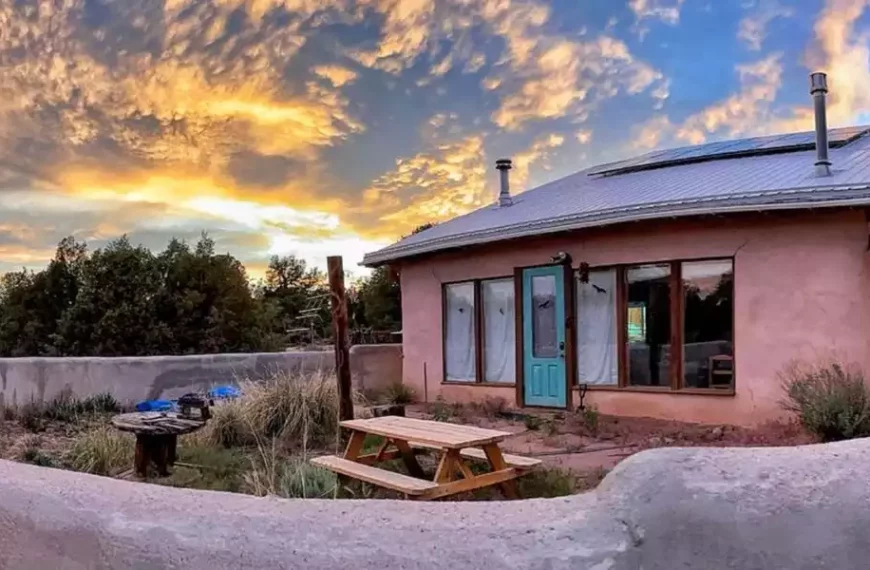
 By
By



 By
By