
When a data center pitch becomes a reputational flashpoint
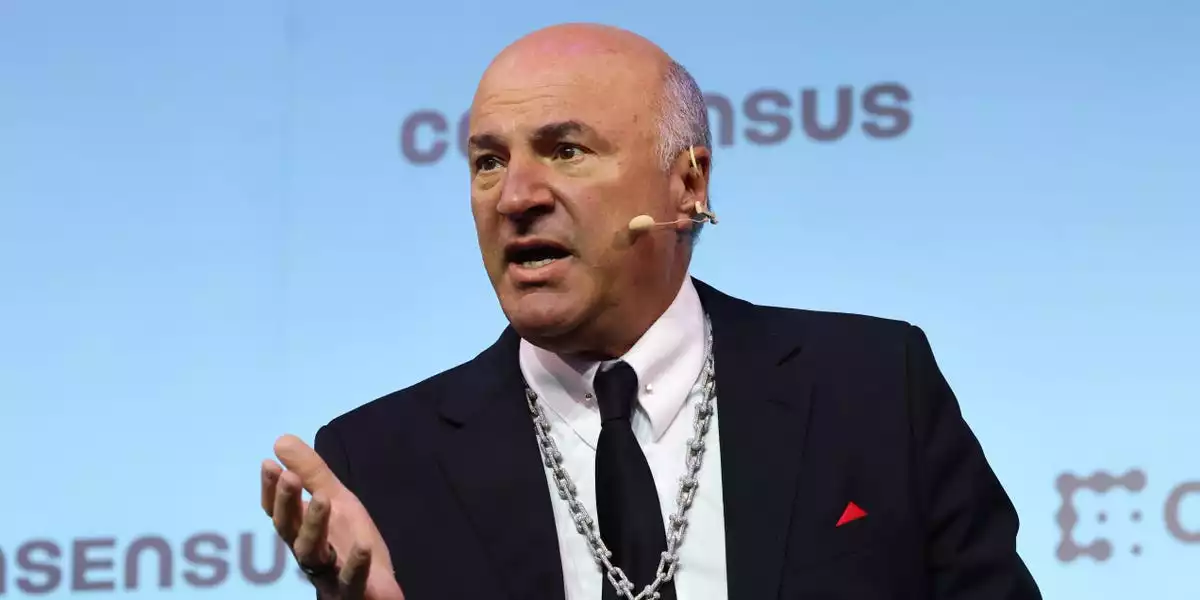
The federal defamation lawsuit filed in Utah against Kevin O’Leary—and naming Fox News as a co-defendant—lands at the intersection of modern infrastructure politics, media amplification, and the fragile economics of reputation. The plaintiffs—Alliance for a Better Utah, Elevate Strategies, and founders Gabi Finlayson and Jackie Morgan—allege O’Leary repeatedly and falsely described them as “proxies for the Chinese Government” while he promoted his proposed Stratos data center campus near the Great Salt Lake. They claim the statements triggered severe reputational and economic harm, including lost clients and curtailed business opportunities, and they seek monetary and punitive damages.
Two elements make this dispute especially consequential for business and technology audiences. First, the allegations were not confined to a private dispute; they were aired across media appearances tied to a high-stakes development campaign. Second, O’Leary has reportedly acknowledged he lacked evidence for the claims—an admission that, depending on context and judicial interpretation, could sharpen the legal and commercial stakes for public figures who use national platforms to frame local opposition.
Fox News, for its part, has indicated it will “vigorously defend” itself and maintains that corrections were issued. That posture sets up a familiar but evolving question: what level of verification—and what speed and prominence of correction—will courts and the public expect when high-impact allegations are broadcast in the heat of a contested project?
Stratos and the hyperscale reality: power, water, and the new scarcity economy
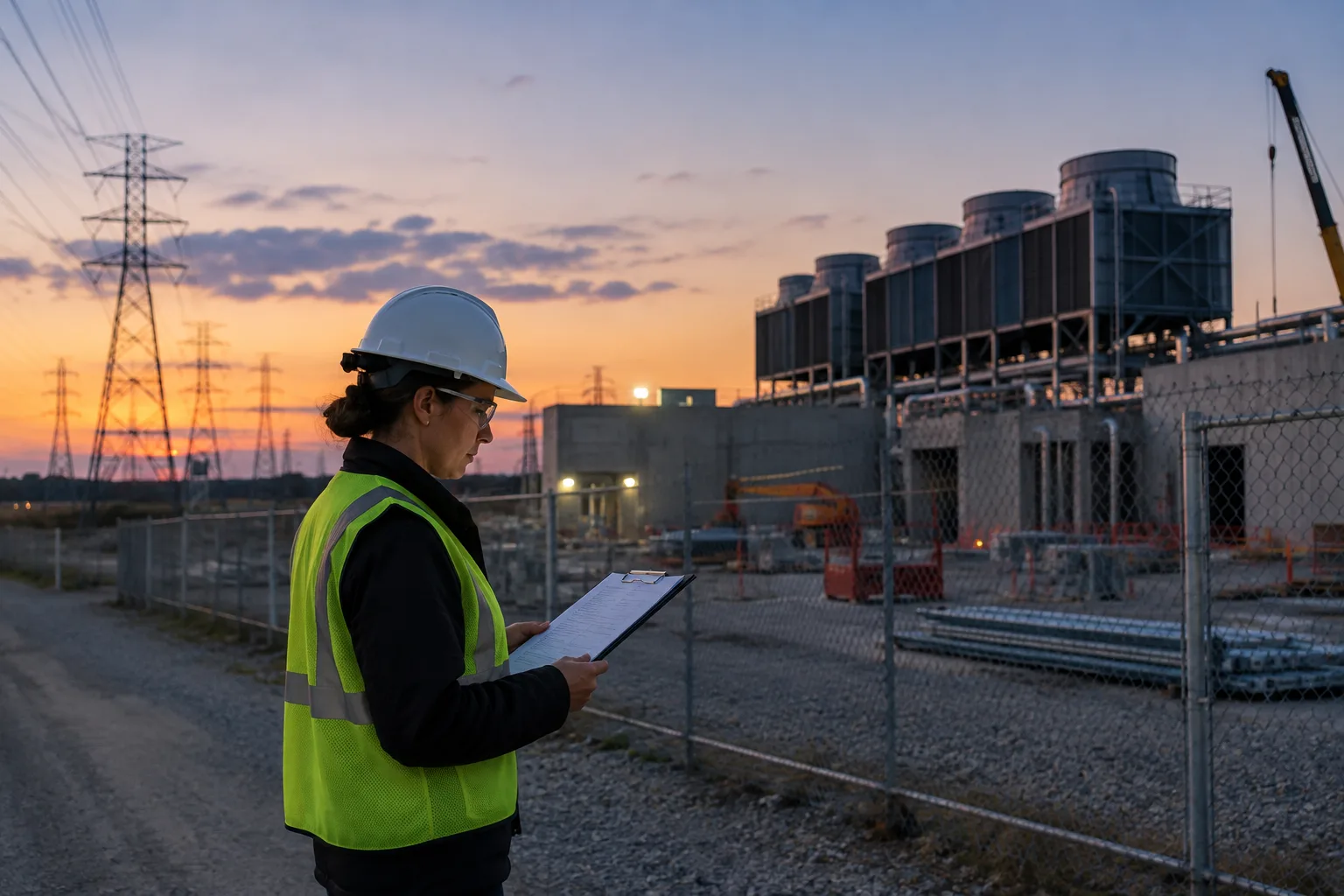
Behind the courtroom drama sits a project of extraordinary scale. The proposed Stratos campus spans roughly 40,000 acres and carries a potential 9 gigawatts (GW) of capacity—a figure that would place it among the world’s largest aggregated data center developments if realized. In an era defined by AI acceleration, that number is not merely technical; it is geopolitical, economic, and environmental.
Hyperscale compute demand—driven by AI model training, cloud expansion, and other compute-intensive workloads—has turned data centers into the industrial facilities of the digital age. Yet their core inputs are increasingly scarce:
- Electricity at scale: A multi-gigawatt campus competes with regional growth, electrification, and grid modernization priorities. It also raises questions about who bears the cost of transmission upgrades and how utility rate structures protect—or expose—residential and small-business customers.
- Water for cooling: Large facilities can require millions of gallons per day depending on design and climate. In arid regions such as northern Utah, water becomes not just an operating cost but a social license issue, particularly near sensitive ecosystems like the Great Salt Lake.
- Land and ecological footprint: A campus of this size implicates habitat disruption, wildlife corridors, and long-term land-use tradeoffs that extend beyond a single county’s tax base.
This is where the Stratos debate becomes emblematic of a broader shift: data centers are no longer “quiet neighbors.” They are critical infrastructure whose resource demands can rival heavy industry—forcing communities and states to decide how to price, permit, and prioritize digital growth.
Technologically, the industry does have levers to reduce friction—liquid cooling, closed-loop systems, heat reuse, and deeper integration with renewable energy and storage. But the commercial reality is that adopting best-available mitigation often depends on regulatory requirements, financing terms, and community pressure. In other words, sustainability is increasingly negotiated, not assumed.
The strategic use—and risk—of geopolitical narratives in local permitting battles
The lawsuit also spotlights a powerful dynamic in U.S. infrastructure disputes: the rhetorical escalation from zoning and water rights to national security. Labeling opponents as aligned with foreign governments—particularly invoking China—can be an effective way to mobilize supporters, attract attention, and frame resistance as illegitimate. It can also backfire dramatically when unsupported.
For businesses, the lesson is not merely about tone; it is about risk architecture. Geopolitical insinuations can trigger cascading consequences:
- For targeted organizations: Service firms such as Elevate Strategies argue that reputation is a core asset; allegations of foreign proxy status can chill partnerships, procurement eligibility, and client trust even if later retracted.
- For project sponsors: Turning community opposition into a national security narrative may harden resistance, invite deeper scrutiny, and complicate coalition-building with regulators who must demonstrate procedural fairness.
- For the broader market: If “foreign proxy” rhetoric becomes a routine tactic in infrastructure PR, stakeholders may demand clearer standards for what constitutes evidence, disclosure, and correction—especially when statements are made on major broadcast platforms.
Data centers themselves are increasingly treated as strategic assets—nodes of digital sovereignty, economic competitiveness, and AI capability. That makes them magnets for political storytelling. The Stratos controversy suggests that the next phase of infrastructure development will be shaped as much by narrative discipline as by engineering.
Litigation, regulation, and the tightening perimeter around digital infrastructure
This case unfolds alongside a separate community challenge to Stratos’ approval, underscoring how mega-projects now face multi-front contestation: courts, agencies, public hearings, and media cycles. Utah Governor Spencer Cox has also moved to tighten state-level oversight, focusing on water use, wildlife impacts, utility ratepayer protections, and public input—a signal that states are recalibrating their frameworks as data centers scale from “economic development wins” into resource governance tests.
For executives and boards, several implications stand out:
- Defamation exposure is becoming operational risk. High-profile spokespeople and founders increasingly function as project assets—and liabilities. Expect more rigorous legal review of public claims, expanded use of defamation and media liability coverage, and tighter controls over third-party messaging.
- Broadcasters face renewed scrutiny. Naming Fox News highlights the legal vulnerability of platforms that amplify unverified allegations, even when corrections follow. The adequacy, timing, and visibility of those corrections may become central to how future disputes are adjudicated and settled.
- Permitting due diligence now includes “community dissent metrics.” Investors and insurers are likely to price in litigation probability, water stress, and stakeholder opposition—affecting financing costs, timelines, and site selection.
The Stratos dispute illustrates a defining tension of the AI era: society wants the benefits of massive compute, but it is increasingly unwilling to accept opaque tradeoffs in water, power, and governance—or to tolerate reputational warfare as a substitute for evidence.

 By
By
 By
By

 By
By
 By
By

 By
By
 By
By