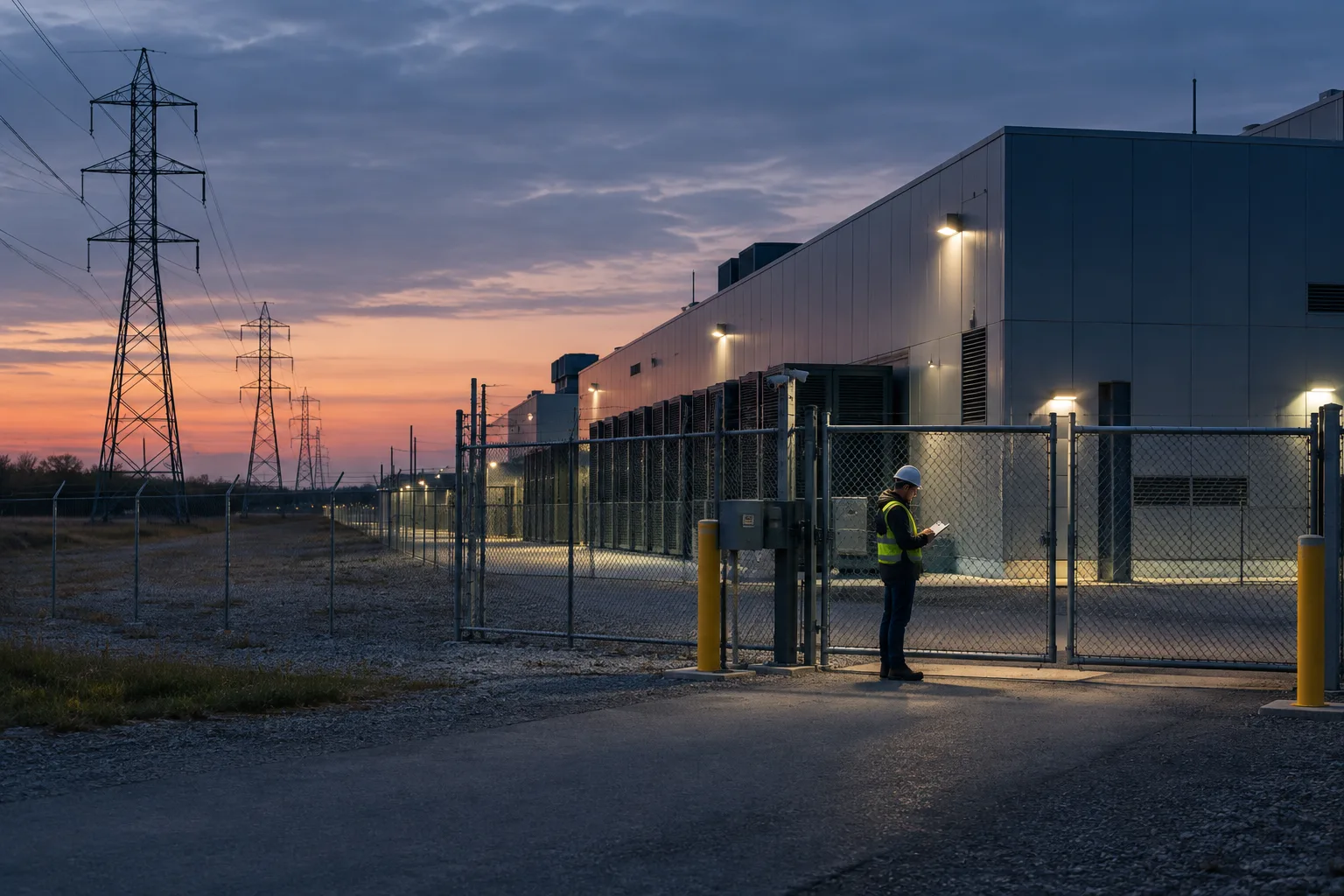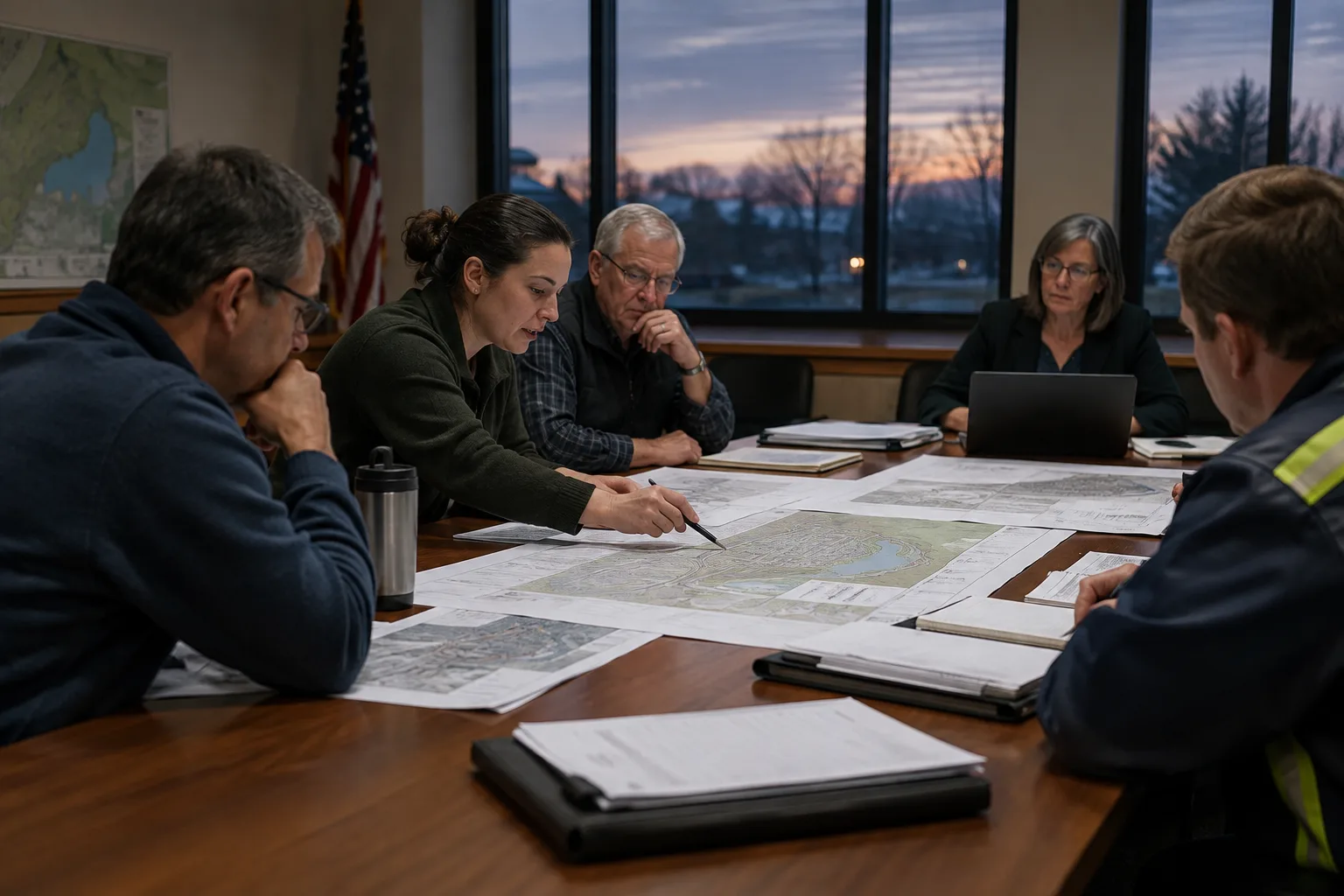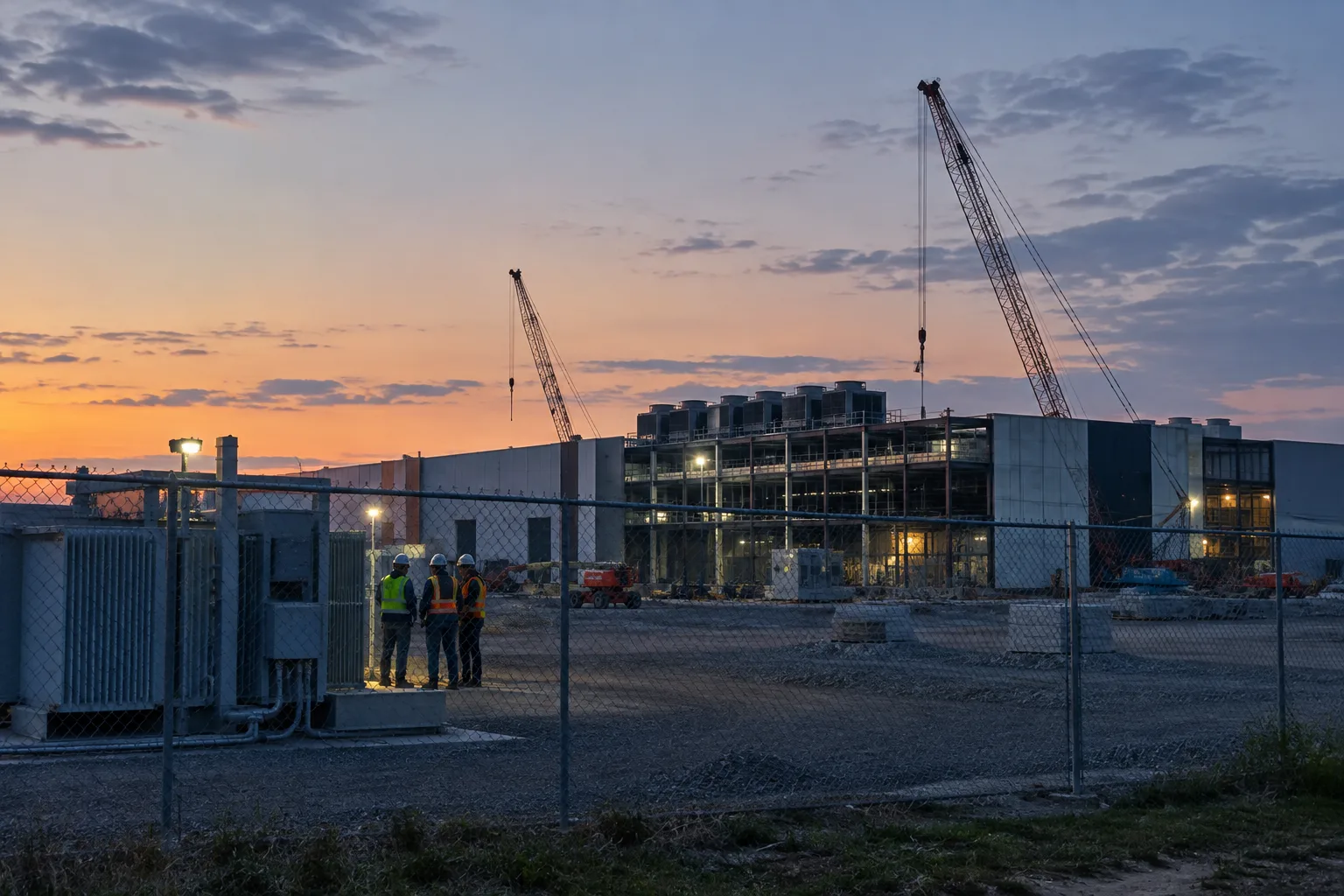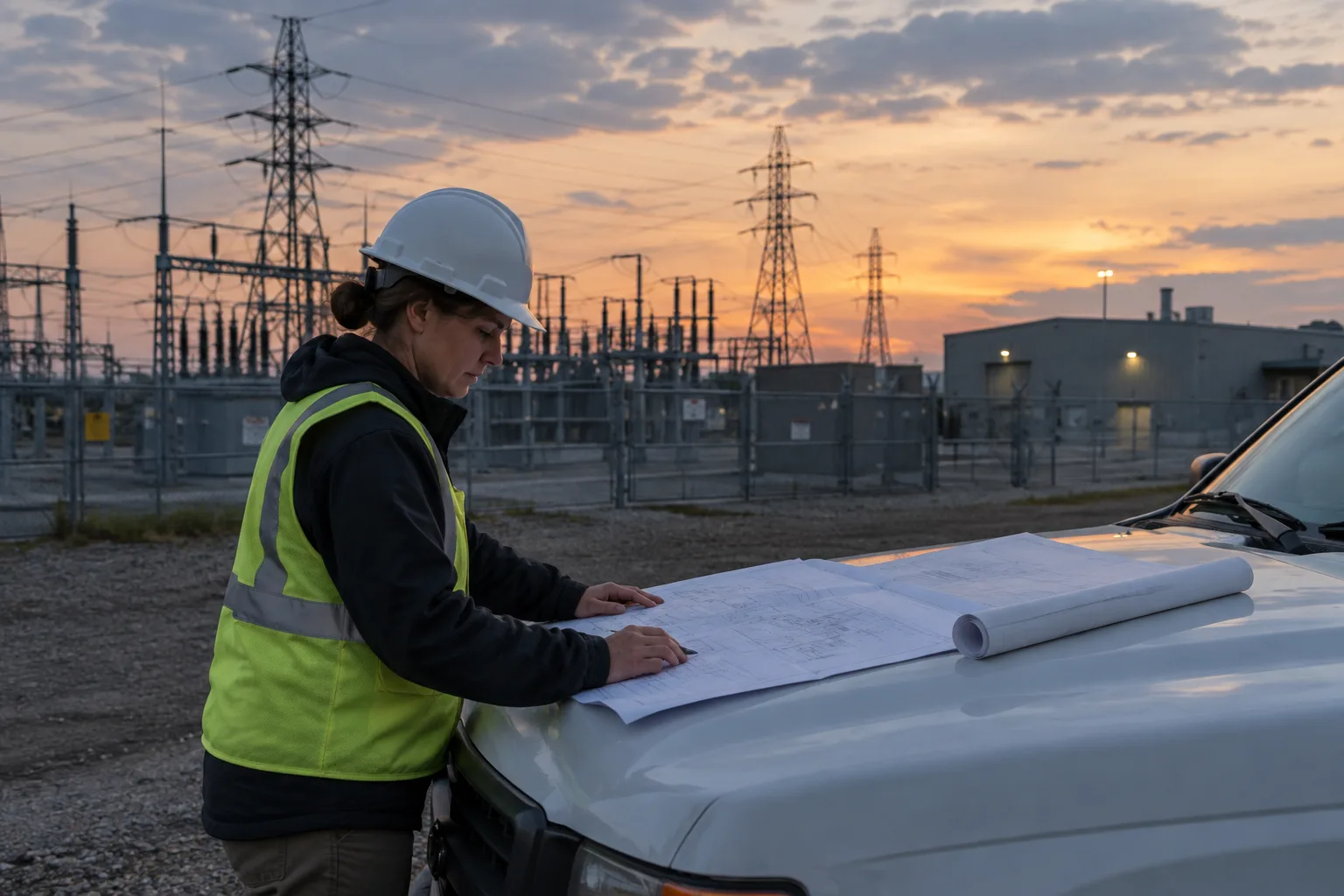

A new bipartisan Senate draft would do something the AI infrastructure boom has so far handled piecemeal: pair faster federal approvals for power and transmission projects with a clearer rule that large data centers should pay the transmission costs they cause. Unveiled Sept. 30 by the leaders of the Senate Environment and Public Works Committee and Energy and Natural Resources Committee, the 417-page American Affordability and Jobs Act of 2026 goes well beyond a typical permitting bill. For cloud and data-center developers, it tries to rewrite two core inputs at once: how long it takes to get power built, and who gets the bill for the wires.
That is why this matters even before a vote. The Senate is expected to recess after this week, and the sponsors say an initial vote would come only after the November midterm elections; the House would also have to act. But the draft already frames the live business question: can Washington speed the grid buildout AI needs without socializing transmission upgrades for hyperscale campuses or stripping out the environmental and community review that keeps big projects standing once they are approved?
A three-ledger bargain
The draft is best read as a three-ledger bargain: schedule risk, grid-cost allocation, and environmental and community risk.
On schedule, the Senate committee fact sheet says the bill would set a two-year deadline for Environmental Impact Statements and a one-year deadline for Environmental Assessments, with consequences for agencies that miss them. On grid economics, the sponsors say data centers would have to pay all of their associated transmission costs rather than relying on a voluntary structure that can leave other ratepayers exposed. On project durability, the same summary says environmental review, Tribal consultation and court challenges would remain, even as timelines and challenge windows become more defined.
That package is broader than the separate Ratepayer Protection Act pushed by Sen. Jon Husted. The House passed that narrower bill 417-3 on Sept. 16, but it failed in the Senate on Sept. 30 by a 57-43 vote. Husted’s measure focused on protecting customers from data-center-driven grid costs. The new bipartisan draft tries to make that protection politically workable by offering developers and utilities something in return: a faster, more coordinated path to build the infrastructure.
What the transmission rule changes for AI campuses
The cost-allocation provision is the part cloud operators, utility investors and economic-development officials will model first.
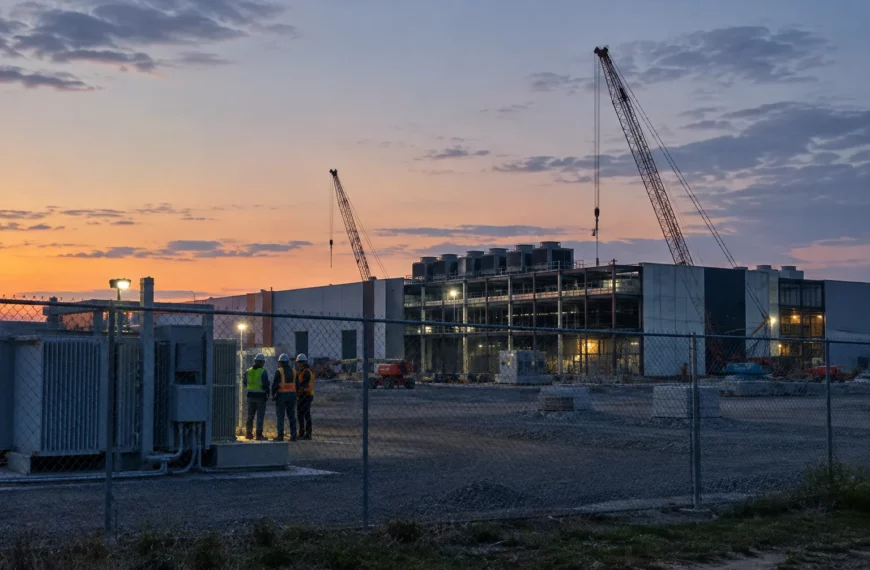
Large AI and cloud campuses do not just sign a power contract and plug in. Their interconnection can trigger new substations, transformers, transmission lines and other upgrades before the facility reaches full utilization. Under today’s patchwork of utility tariffs and state rules, some of those costs can land in complicated shared buckets. The sponsors’ answer is to make the data center responsible for its associated transmission costs.
That wording matters. The public summaries describe transmission costs, not every generation, distribution or broader system expense tied to a project. They do not yet settle how “associated” would be defined, how smaller facilities or campus expansions would be treated, or how federal rules would mesh with state utility law. Still, the direction is clear enough to affect siting math now. If a hyperscale campus has to carry its full transmission burden, developers will have a stronger reason to choose sites with spare capacity, clearer interconnection paths or utilities willing to negotiate more explicit take-or-pay arrangements. The likely upside for households and small businesses is less risk of subsidizing a private AI buildout. The likely downside for developers is a higher upfront infrastructure bill and potentially a higher cost of capital.
Faster reviews help only if they survive contact with the grid
The rest of the bill is designed to make those bigger private commitments more buildable.
The draft would make the Federal Energy Regulatory Commission a stronger lead coordinator for major transmission reviews, back regional and interregional planning, align transmission costs with the benefits a line delivers and encourage advanced transmission technologies where they make economic sense. The sponsors also highlight protections for already-permitted projects except in extraordinary circumstances, after a legal violation or under court order, plus easier treatment for upgrades within existing rights of way.
For the AI buildout, those provisions matter because transmission is often the long pole in the tent. A one- or two-year federal review target is meaningful only if it lines up with the real construction sequence for substations, long-lead transformers, rights-of-way work and local approvals. The draft may improve federal coordination, but it does not erase state siting fights, supply-chain bottlenecks or local land-use conflict. Nor is it yet clear what remedies kick in when agencies miss deadlines, how much litigation time would actually shrink, or how Tribal consultation would work in a compressed clock. Those details will determine whether the bill genuinely reduces schedule risk or mainly changes how it is priced.
Environmental and community groups are focusing on the same uncertainty from the other direction. The sponsors describe the draft as preserving safeguards while making reviews more predictable. Critics are testing whether shorter timelines and tighter challenge windows under laws including the National Environmental Policy Act and National Historic Preservation Act would, in practice, weaken scrutiny of air, water, cultural-resource, land-use or climate impacts. Both claims are still claims about draft language. The implementation question is whether review becomes faster because agencies are better organized, or thinner because affected communities have less time and leverage.
Post-election politics will shape the economics
The unusual coalition around the draft shows why it has a real chance to influence negotiations even if the text changes. Backers include business, labor, consumer, fossil-fuel, renewable and environmental interests, and a coalition of more than 75 groups has described the transmission provisions as potentially among the most significant grid reforms in decades. At the same time, environmental advocates remain concerned about rollbacks, and Sen. Ed Markey has said he is reviewing whether the proposal could lock in fossil fuels or exclude communities.
That leaves cloud companies and utilities with a practical checklist, not a finished rulebook. Any prospective AI campus needs to identify the exact upgrades it triggers, separate transmission costs from generation and distribution costs, test whether its power and interconnection contracts are firm or cancellable, and compare the bill’s review deadlines with the actual timeline for transformers, substations and local approvals. Communities and Tribal governments will want to ask a parallel set of questions: what consultation rights remain meaningful under a faster process, and which commitments survive once permits are issued?
The sponsors are offering a political bargain: faster federal decisions in exchange for clearer cost responsibility. Whether that becomes cheaper energy, more jobs and responsible growth in practice will depend less on the slogan than on the final definitions, the enforcement mechanics and whether the package adds real power and transmission capacity instead of merely moving cost and legal risk from one ledger to another.
 By
By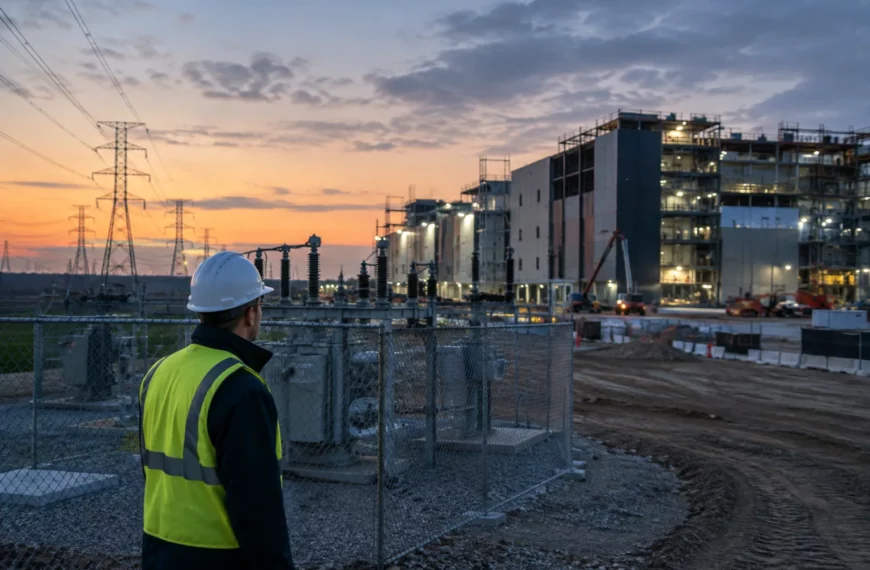
 By
By
 By
By
 By
By


 By
By