

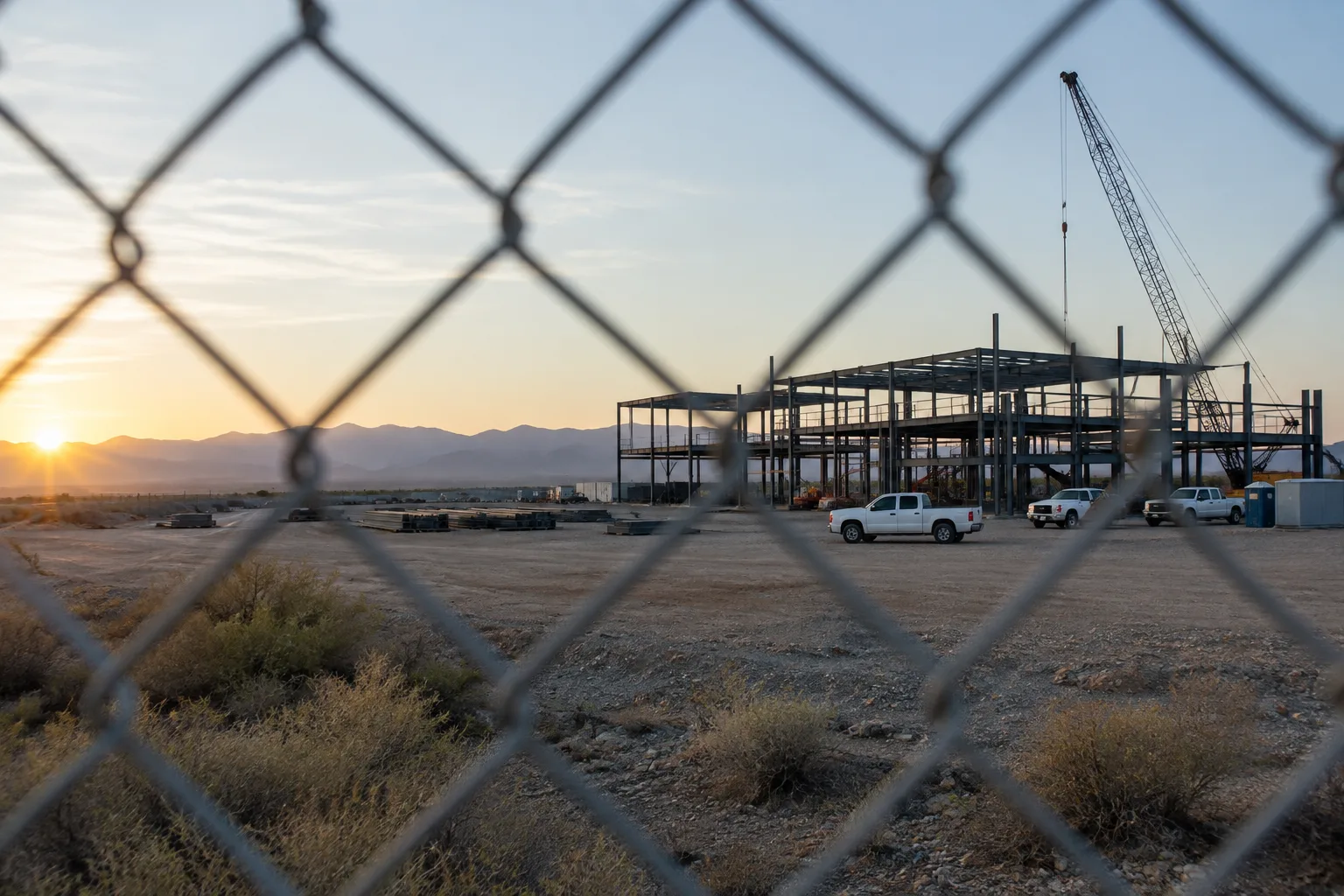

Oracle’s September 24 force-majeure notice on Project Jupiter, the 2.45-gigawatt New Mexico data-center campus being developed by Blue Owl Capital’s STACK Infrastructure unit for OpenAI, matters for more than one project schedule. As Reuters reported, Oracle is not trying to walk away as the main tenant. It is preserving a contractual argument that could let it delay payments if the facility misses its planned 2028 online date.
That is why the episode is rippling through AI financing. The real question is not whether demand for AI capacity exists; it plainly does. The question is who absorbs the cost when a customer has signed up, a developer has spent billions, lenders have underwritten future cash flow, and the power system or permits still arrive late.
Reuters reported that the program was being delayed by about a year, citing a person familiar with the notice and the deal, though it is not public whether that applies to the full campus, a phase, power delivery, or an internal planning assumption. Oracle and Blue Owl both said the notice does not change their commitment to the multiyear project. Oracle shares fell 3.5% and Blue Owl shares fell 3.6% on September 24 after reports of the notice, a sign that investors immediately understood this as a financing and execution story, not just a construction update.
A delay notice, not a departure
Project Jupiter sits inside the broader Stargate AI-infrastructure push associated with Oracle, OpenAI, and SoftBank. Its scale alone makes it a test case: 2.45 GW is the design size of the campus, not power already delivered or computing already online. Blue Owl has about $3 billion of equity invested in the project, Reuters reported, and its return improves after completion.
That incentive structure helps explain why a force-majeure notice matters. If a tenant can plausibly argue that power-related delays are outside its control, payment timing may move even while the lease or service relationship survives. For the developer, that can mean a site that is still strategically valuable but financially less predictable in the near term. For lenders, it can mean that expected revenue begins later while debt service and carrying costs do not politely wait.
None of that means Oracle has canceled the project, defaulted, or proved that 2028 will be missed. In fact, Oracle’s own public position runs the other direction. In a September 14 statement, the company said construction of the data-center buildings is proceeding under county permits and that those permits are separate from the air permit needed for the adjacent fuel-cell microgrid. Oracle also said a New Mexico Supreme Court stay had paused the related administrative proceeding, and that it remains on schedule and committed to New Mexico.
Blue Owl likewise said Oracle, Blue Owl, and STACK remain aligned and that the notice did not change the project’s financial commitments. Those statements matter. They make this less a story of collapse than a story of repricing risk inside an active project.
Why one permit matters to billions
The immediate issue is power deliverability. Reuters said Oracle’s notice concerned power-availability delays. Project Jupiter depends on Bloom Energy fuel cells, and a pipeline from Energy Transfer intended to supply the site was delayed by nearly six months to February 1, 2027 after repeated permit denials, according to TechCrunch. TechCrunch also reported that a separate air-quality permit for the fuel-cell microgrid was still pending, with a November 23 state deadline.
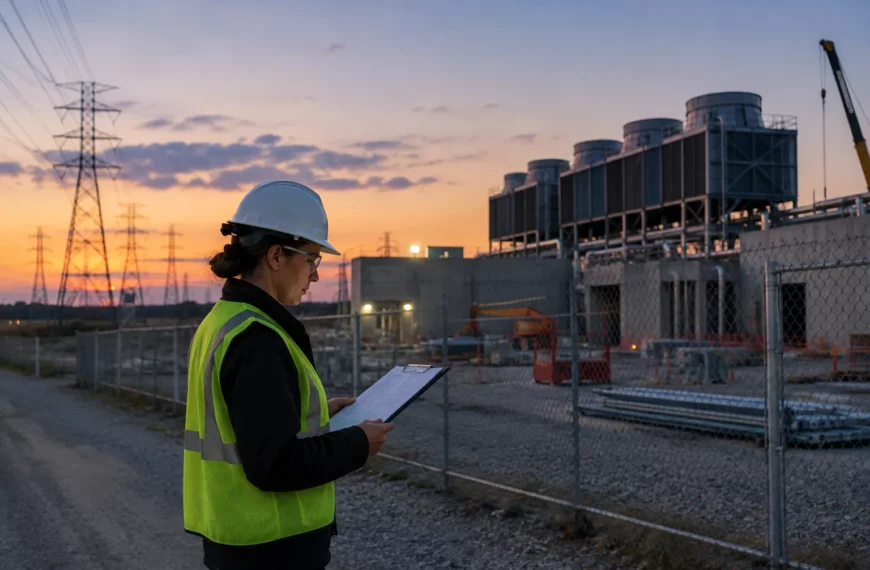
This is the practical chain investors and customers now have to trace. A building can rise under one set of permits while the power system that makes it useful depends on another. A customer can be committed and still argue that payment should start only when usable capacity exists. A developer can keep building and remain confident in the long-term economics while still facing a shorter-term squeeze if power, fuel, or final approvals lag.
That is why the dispute travels so quickly from construction site to capital market. If payment start dates are vulnerable to power delays, then the most important question in an AI campus lease is no longer just how much capacity is precommitted. It is how tightly payment obligations are tied to actual delivered service, which milestones count as completion, and which delays qualify for relief.
The missing public details are central. The notice’s exact language is not public. Neither are the payment amounts or dates Oracle may be trying to postpone, whether Blue Owl accepts Oracle’s legal position, the project’s debt covenants, or whether the parties have formally revised the construction schedule. Those gaps do not make the issue smaller; they explain why financiers are studying it so closely.
The financing ripple is broader than New Mexico
Reuters reported that the Jupiter episode is already affecting discussions around other proposed AI data-center financings, including an SB Energy campus intended to serve OpenAI. That is plausible not because Jupiter proves other projects will slip, but because it turns an abstract risk into a live negotiation over cash timing.
For the sector, the consequences could show up in terms rather than headlines. Lenders may demand clearer definitions of force-majeure triggers. Developers may push for payment schedules tied to construction milestones instead of full operational readiness. Tenants may insist that rent or service payments begin only when specific usable capacity is available. Equity investors may ask for more contingency capital where power infrastructure depends on separate fuel, transmission, or environmental approvals.
That matters in a market where the capital requirement is still climbing. Reuters cited Moody’s saying U.S. AI capital spending by the six largest technology companies could approach $1 trillion in 2027. At the same time, Reuters cited estimates from Data Center Watch that at least 45 projects worth $68 billion faced community opposition in the second quarter of 2026, after 75 projects worth about $130 billion were disrupted in the first quarter. Those figures are estimates, but they underline the same point: the constraint in AI infrastructure is not only demand or financing appetite. It is whether physical delivery keeps pace with contractual ambition.
So who absorbs the delay when power and permits arrive late? On the evidence public so far, the answer is: whoever signed up to bear the gap between scheduled completion and usable power. Oracle’s notice suggests the tenant is trying to avoid being that party. Blue Owl’s statements suggest the developer is trying to reassure markets that the long-term economics remain intact. Until the underlying contract terms are clearer, shareholders are left marking down the uncertainty.
That makes Project Jupiter a useful scorecard for the next wave of AI campuses. The headline variables are no longer just megawatts promised and customers named. The important ones are more specific: whether power is fully permitted, whether fuel or interconnection timing is locked in, whether target dates refer to a defined phase, whether payment starts with real operating capacity, and whether local opposition has translated into an actual permitting or schedule risk. In AI infrastructure, demand may open the door, but deliverability decides when the money moves.

 By
By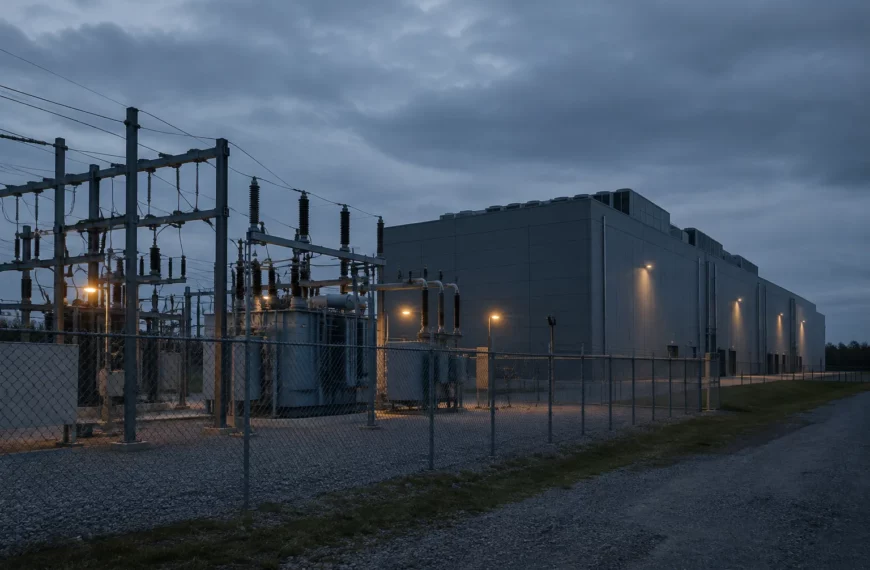
 By
By
 By
By
 By
By

 By
By
 By
By







