
When synthetic mourning collides with a real family’s grief
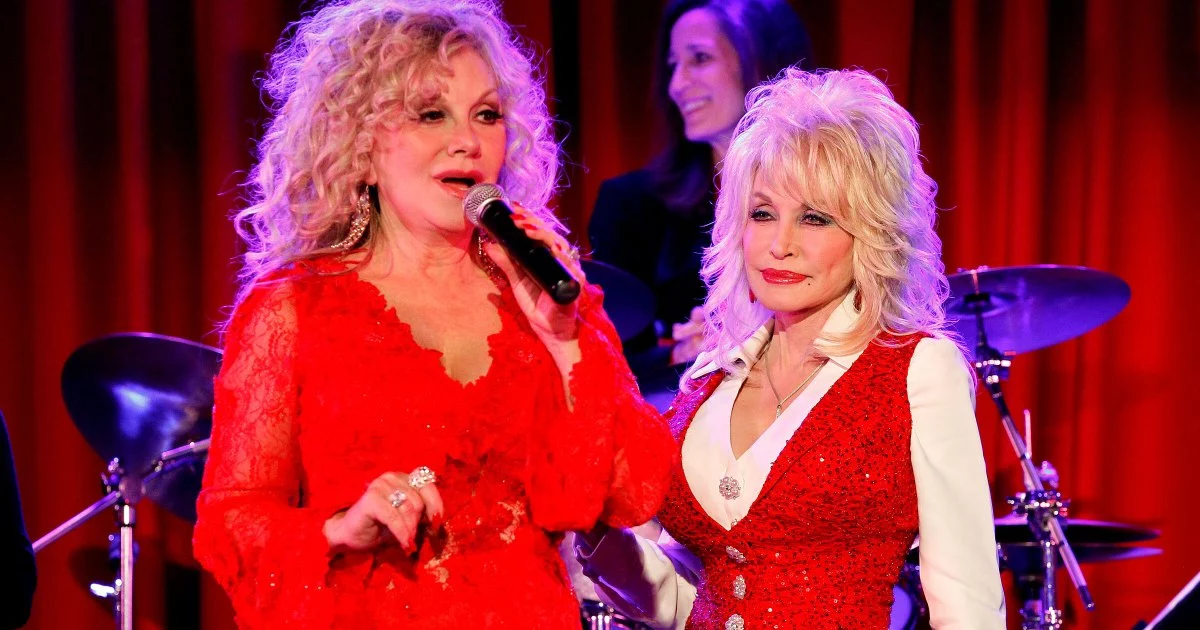
The backlash from Stella Parton against a surge of AI-generated tributes following Dolly Parton’s reported death spotlights a new fault line in the digital attention economy: the moment when automated content stops being “fan expression” and starts feeling like grief appropriation. Stella’s blunt characterization—“fake AI garbage”—is less a rejection of condolences than a critique of how social platforms can incentivize volume, virality, and novelty over sincerity.
In traditional public mourning, remembrance is anchored in shared artifacts: photographs, performances, interviews, and stories that carry provenance. Generative AI disrupts that anchor by producing plausible-but-unverifiable images, songs, and messages at scale—often optimized for engagement rather than truth. The result is a kind of emotional counterfeiting: content that mimics tribute aesthetics while severing the link to lived experience.
This is not merely a cultural discomfort. It is a trust-and-authenticity problem with direct implications for media platforms, rights holders, and brands that depend on credibility. In a post-misinformation era, synthetic memorial content can feel like one more step toward a world where even grief becomes a format—infinitely reproducible, algorithmically tuned, and detached from the human relationships it purports to honor.
Deepfakes, celebrity proximity, and the politics of borrowed legitimacy
The controversy intensified when high-profile figures—most notably Donald Trump—shared AI-composited images placing themselves alongside Dolly Parton. That dynamic matters because Dolly Parton’s public identity has long been defined by careful nonpartisanship, broad cultural appeal, and a reputation for inclusive values, including support for LGBTQ+ communities. AI “proximity” content—images implying closeness, endorsement, or shared moments—can therefore function as a form of borrowed legitimacy, even when no explicit claim is made.
This is one of the most underappreciated risks of generative media in celebrity contexts: it can create soft propaganda without traditional falsifiable statements. A synthetic image does not need to say “Dolly endorsed me” to plant the association. In the attention economy, association is often the product.
A parallel flashpoint emerged with a viral “tribute” song attributed to Miley Cyrus that was later exposed as entirely AI-generated. This illustrates a second-order harm: synthetic content can misappropriate not only the deceased’s likeness, but also the reputations of living artists—turning their names into distribution channels for content they never made. For creative industries, this is a direct challenge to attribution norms and to the economic premise that authorship is knowable.
Key mechanisms driving the problem include:
- Engagement incentives: platforms reward novelty and emotional triggers, not provenance.
- Low-cost mass production: AI makes “tribute” content cheap to generate and easy to spam.
- Ambiguous disclosure: many posts are not clearly labeled as synthetic, and audiences often cannot tell.
- Reputational spillover: synthetic proximity can imply endorsements, alliances, or personal relationships.
The business of authenticity: brand equity, licensing, and “digital legacy” markets
For business and technology leaders, the Parton episode is a case study in how synthetic media can erode the economic value of authenticity. Dolly Parton is not only an artist; she is a global brand with decades of carefully cultivated goodwill. Unchecked AI tributes risk brand dilution, confusing audiences about what is official, what is archival, and what is fabricated.
That dilution has tangible downstream effects:
- Licensing and merchandising pressure: unauthorized AI content can cannibalize demand for official releases and licensed memorabilia.
- Royalty and rights complexity: synthetic voice and likeness outputs blur the line between derivative work, impersonation, and infringement.
- Platform liability and moderation cost: as synthetic content scales, enforcement becomes expensive and politically fraught.
- Reputation management overhead: estates and labels may need rapid-response teams for synthetic-media incidents.
At the same time, the controversy signals the emergence of a new category: digital legacy services. As public figures’ estates confront post-mortem deepfakes and voice cloning, demand is growing for tools and firms that can manage identity after death—part legal, part technical, part communications. Potential offerings include family-vetted archival releases, authenticated “official” channels, and tightly governed AI uses that are explicitly consented to and transparently labeled.
This is where the market is heading: not toward banning generative tools outright, but toward tiered legitimacy—a world in which audiences expect clear signals about whether content is official, synthetic, authorized, or fan-made.
Governance and verification: what platforms, estates, and regulators can do next
Dolly Parton herself had reportedly expressed cautious optimism about AI’s scientific promise while warning against its encroachment on human artistry. That distinction—AI as instrument versus AI as replacement—maps neatly onto the governance challenge now facing platforms and policymakers.
The most actionable path forward is to make authenticity machine-readable and enforceable through shared standards. Several measures are quickly becoming “table stakes” for the trust economy:
- Provenance metadata and persistent labeling for AI-generated images, audio, and video
- Watermarking and tamper-resistant signatures to help platforms detect re-uploads and edits
- Consent registries that record who can authorize post-mortem likeness and voice use
- Rapid takedown and appeals workflows tailored to synthetic impersonation and grief contexts
- Clear platform policies that treat synthetic “tribute” content differently when it implies endorsement or misattributes authorship
Regulatory momentum is also building globally, with frameworks akin to the EU AI Act pushing transparency requirements. Yet regulation alone will not solve the problem if platforms lack operational enforcement and if rights holders lack standardized ways to assert consent and ownership.
What this moment ultimately exposes is a strategic reality: trust is now an infrastructure layer. In an era where synthetic media can manufacture intimacy, authority, and remembrance on demand, the competitive advantage will accrue to the organizations that can prove what is real, respect what is human, and treat identity—especially after death—not as content to be generated, but as a legacy to be safeguarded.

 By
By
 By
By
 By
By


 By
By
 By
By
 By
By