
On Sept. 18, Nscale filed a registration statement for a proposed initial public offering of ordinary shares, with plans to seek a New York Stock Exchange listing under the ticker NSCL. The filing does not yet say how many shares it will sell, at what price, or when the offering might occur. What it does provide is something more useful than an early valuation guess: a close look at the economics behind one of the hottest and least transparent parts of the AI market.
The central question is not whether Nscale can attract attention in an IPO window. It is whether the company already looks like a durable AI-cloud business, or whether it is still primarily an infrastructure builder and financier carrying the risk between GPU purchases, data-center delivery and customer usage. Nscale’s filing supports both readings, but the balance of evidence still leans toward a company proving demand faster than it is proving mature cash-generation.
What the filing proves — and what it doesn’t
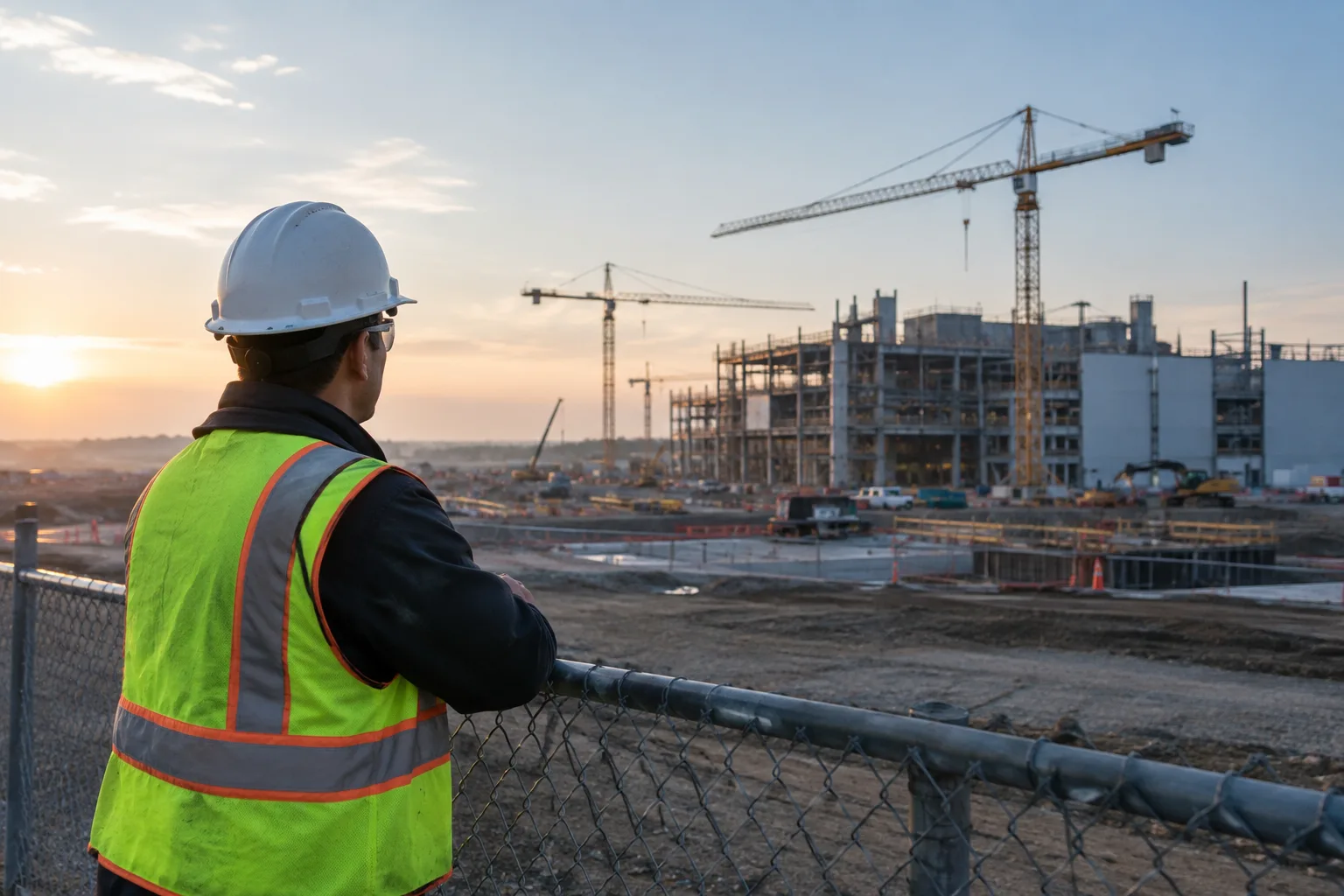
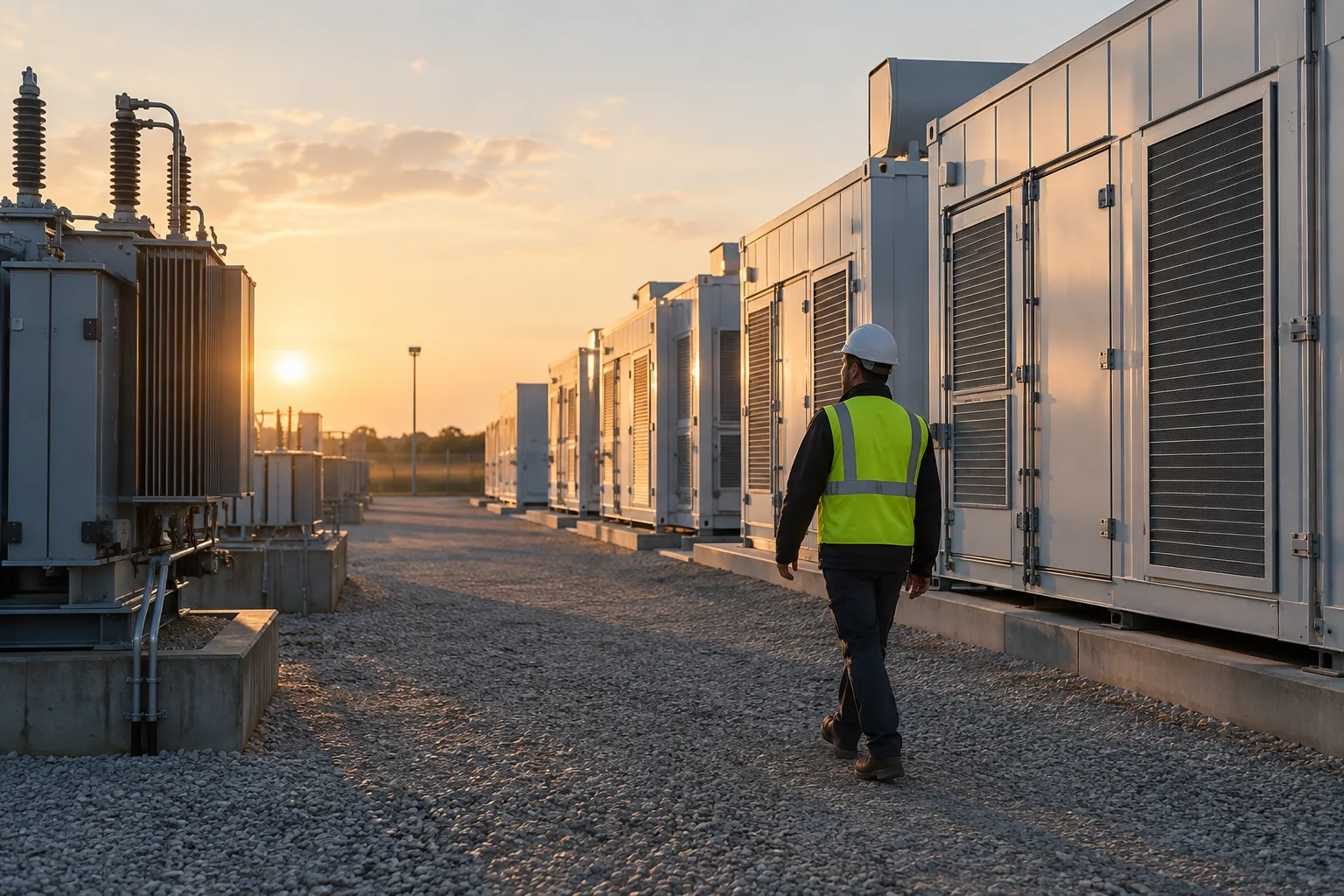
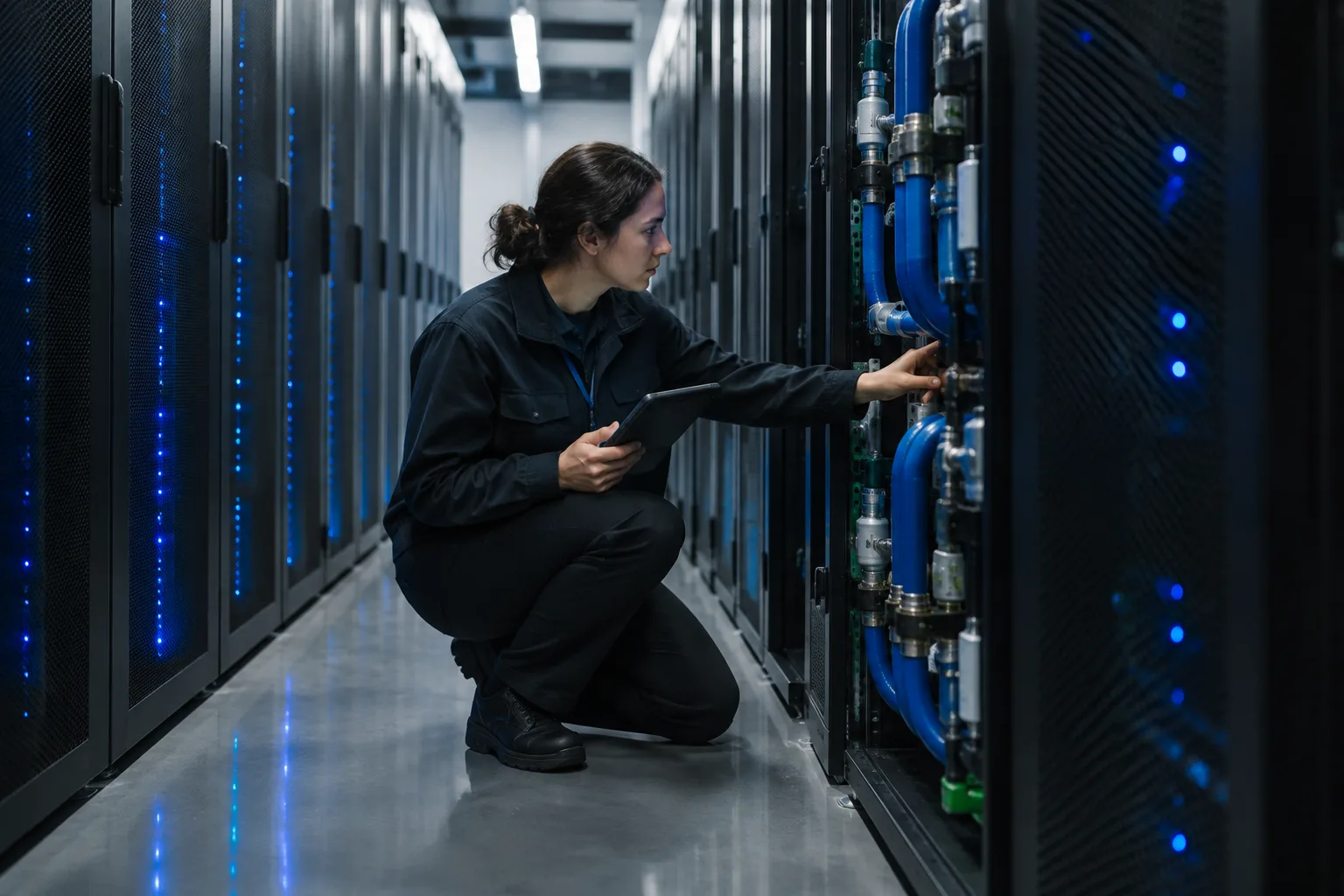
Nscale describes itself as a full-stack AI infrastructure company based in London, combining AI cloud software with data centers, power and GPU capacity. Its pitch is vertical integration: behind-the-meter power, liquid-cooled AI facilities, high-performance compute and a cloud layer that includes inference endpoints, model and data registries, fine-tuning, managed Slurm, Kubernetes, storage, observability and fleet operations. The filing also says roughly 200 employees focused on workload performance and infrastructure utilization will join through Nscale’s Anyscale acquisition.
That story has real traction in the numbers. Revenue for the six months ended June 30, 2026 rose to $140.6 million from $10.4 million a year earlier, a 1,252% increase. Full-year revenue had already climbed from $19.1 million in 2024 to $33.0 million in 2025. In a market where access to power, cooling, land, chips and committed customers is scarce, that kind of top-line acceleration matters. It suggests Nscale is not simply assembling capacity on paper; at least some of its infrastructure is already converting into recognized sales.
But the same filing also shows how early this buildout remains. Independent summaries of the S-1 report a first-half 2026 net loss of $1.0201 billion, compared with a $368.9 million loss in the same period of 2025. The filing says that result includes a large fair-value adjustment, which complicates any simple operating readthrough. Even so, the broad point is hard to miss: revenue is rising fast, but the cost and accounting impact of scaling this platform remain enormous. Nscale reported $1.5 billion of cash and cash equivalents at June 30, giving it meaningful liquidity, though not proof that its unit economics have settled.
Why the $103.4 billion figure needs unpacking
The number most likely to grab headlines is not revenue but contract value. As of Aug. 31, Nscale reported about $2.6 billion of active total contract value and $103.4 billion of active-plus-contracted TCV under long-term take-or-pay agreements, up from $0.5 billion and $38.0 billion, respectively, at Dec. 31, 2025. Those contracts supported roughly 461,000 active or contracted GPUs.
That is striking evidence of demand, especially in a market where customers often struggle to secure long-duration AI capacity at all. Take-or-pay structures can be powerful because they give a provider more visibility than a usage-only cloud model: the customer commits to pay for reserved capacity over time, not only when workloads spike.
Still, TCV is not revenue, cash or profit. It is a company-reported measure of the value of contracts over their terms. A contracted GPU is not automatically delivered, energized, available to a customer or earning its expected margin. The gap between Nscale’s $2.6 billion of active TCV and its much larger active-plus-contracted figure is the heart of the story. It points to substantial demand already booked, but also to a large amount of value that still depends on hardware delivery, site readiness, power availability, financing execution, customer start dates and actual service commencement.
That distinction matters because AI infrastructure businesses recognize revenue only when capacity is available and service is provided, while costs often arrive earlier. Nscale has to secure land, power, cooling systems, chips, racks and financing before the full value of long-term customer commitments can move into revenue and collections. The filing gives evidence that customers are signing up. It does not yet establish how quickly that booked demand becomes active, billable capacity at attractive margins.
Nscale still looks as much like an infrastructure financier as a cloud vendor
The financing stack makes that tension clearer. Nscale says it has raised more than $3.3 billion through series financings. The filing also describes about $1.4 billion of GPU-financing commitments, a $900 million revolving credit facility and additional project or equipment facilities, including a $1.2 billion North Carolina GPU facility. As of Sept. 4, the company said 40 payment schedules had been fully executed with approximately $2.54 billion of initial-term rent, including about $34.8 million of financing charges.
Those figures show a company using debt, leases and structured facilities to lock in scarce infrastructure and speed deployment. That can be a competitive advantage. In AI infrastructure, the winning move is often not inventing a better model but assembling the capital, power and physical capacity to deliver compute when customers need it.
It also means Nscale is carrying meaningful timing risk. Financing commitments are not the same thing as revenue-producing infrastructure, and long-term customer contracts do not remove the need to fund assets up front. If delivery schedules slip, power is delayed, or customer demand is pushed out, the company can still face rent, financing and operating obligations before the corresponding revenue fully arrives.
Customer concentration sharpens that risk. The S-1 warns that a substantial portion of revenue comes from a limited number of customers. In a business built around large AI deployments, concentration is not surprising. But it does mean one delay, cancellation, renegotiation or utilization shortfall could matter disproportionately, particularly when the provider has already arranged hardware and facility financing around those expected workloads.
What investors and customers should watch next
Nscale’s stronger argument is that vertical integration could eventually turn this complexity into an advantage. Controlling power, data-center design, GPU fleets and cloud services can shorten deployment times, reduce dependence on third parties and help keep expensive infrastructure utilized. The cloud software layer may also make capacity stickier by giving customers a fuller operating environment, not just rented hardware.
What the filing does not yet show is whether that model produces durable margins after power costs, cooling, financing expense and the realities of building campuses fast enough to match signed demand. For now, the proposed IPO reads less like a clean arrival story than a reality check on the AI-infrastructure boom. Nscale has demonstrated real growth, real contract momentum and real access to capital. It has not yet shown that its headline contract values translate smoothly into recognized revenue, cash flow and resilient profitability.
That does not weaken the significance of the filing. It clarifies it. For investors, enterprise buyers and infrastructure partners, the most important follow-up questions are now practical ones: how much contracted capacity is already deliverable, how quickly active TCV turns into revenue and collections, how concentrated the customer base is, what margins look like after power and financing, and how much more capital is required before the contracted footprint becomes operating capacity. Until those answers are clearer, Nscale looks like a serious contender in AI infrastructure — and a company still carrying much of the risk that comes with financing the boom.
 By
By
 By
By
 By
By

 By
By

 By
By