
Crusoe has announced the initial closing of an anticipated $3.9 billion Series F at a $30.9 billion post-money valuation, one of the biggest recent financings in AI infrastructure and a clear sign that investors are willing to fund more than chips and software. The Denver company says the capital will expand its AI factories, from large campuses to modular Crusoe Spark units, and grow Crusoe Cloud.
Why that matters is straightforward: Crusoe is not pitching a narrow AI service. It is pitching control over the full chain from power access to billable compute. In its announcement, the company said it has more than $140 billion in total contracted value, more than 6 gigawatts of gross contracted capacity across data centers and cloud, and 1 gigawatt of gross capacity delivered and operational today. Reuters also reported the financing, valuation and those company-reported capacity figures. The real question for readers is whether this “electrons-to-tokens” model creates a defensible business, or whether the valuation mainly capitalizes future capacity that still has to be energized, utilized and paid for.
What Crusoe is really selling
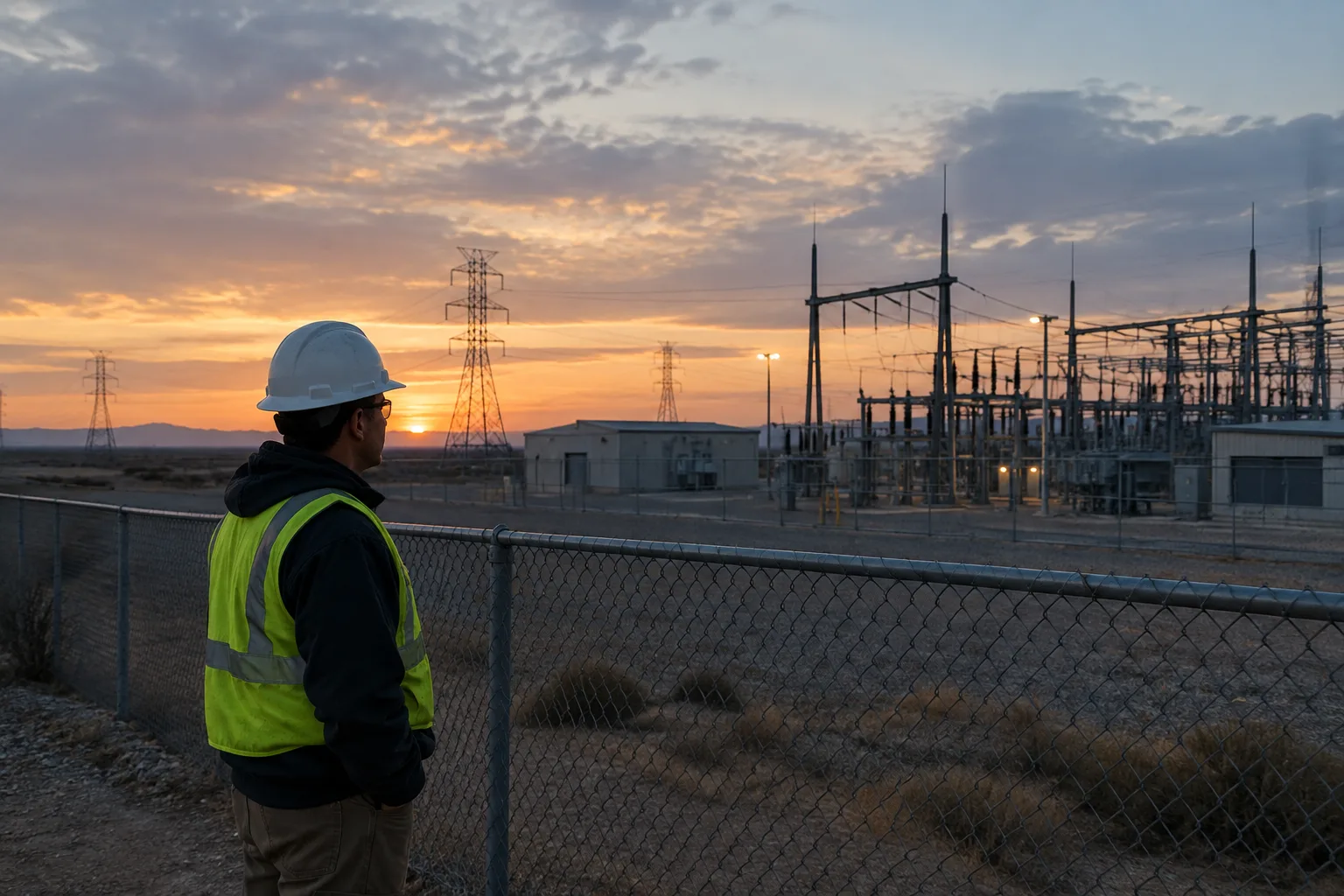
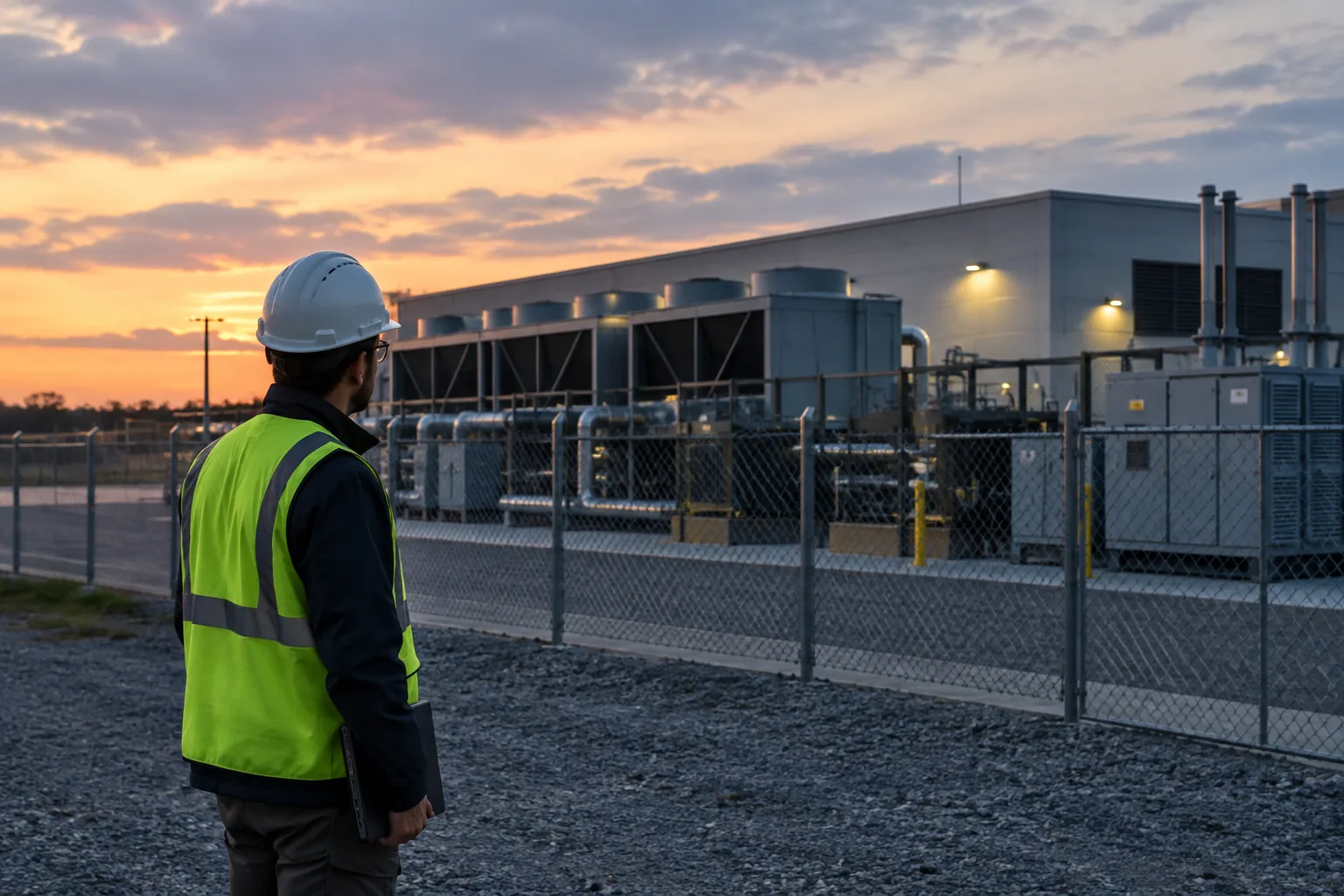
Crusoe’s bet is that AI infrastructure is now constrained by electricity, transmission, land, cooling, construction speed and hardware logistics at least as much as by software. Its model spans power sourcing and generation, data-center development, modular manufacturing, GPU capacity and a cloud layer that includes infrastructure-as-a-service, fine-tuning and inference.
That is strategically different from a typical software startup raise. This money is meant to finance physical capacity, energy procurement, manufacturing and cloud services at once. If Crusoe can coordinate those pieces better than a traditional cloud or a narrower neocloud, vertical integration could reduce handoffs, shorten deployment timelines and improve how quickly capital turns into usable compute.
The investor roster helps explain why the market is paying attention. Crusoe said the round was oversubscribed and co-led by Atreides Management, Mubadala Capital and Valor Equity Partners, with participation from Founders Fund, GIC, NVIDIA, Qatar Investment Authority, Radical Ventures, TPG and others. That mix suggests AI capacity is increasingly being financed like strategic infrastructure, not just high-growth software. But deep-pocketed backers and a major chipmaker on the cap table do not settle the harder question of margins.
Contracted demand is not the same as operating economics
Crusoe’s headline numbers are meaningful, but they are not interchangeable. Total contracted value is the nominal value of signed commitments over the life of those contracts. Contracted gigawatts are capacity commitments, not necessarily energized power. Operational gigawatts are the portion the company says has been delivered and is running today. None of those figures, on its own, reveals recognized revenue, utilization, free cash flow or return on capital.
That distinction matters because a $30.9 billion private valuation is effectively a wager on conversion: signed demand must become energized capacity, that capacity must stay full enough to justify the buildout, and the resulting workloads must generate acceptable returns after power, depreciation, financing and operating costs. Crusoe also reported 20x year-over-year growth in Crusoe Cloud bookings year to date and more than $100 million in contracted annual recurring revenue for Managed Inference. Those numbers point to commercial momentum, but they are still bookings and contracted ARR, not an audited profitability readout.
The same caution applies to performance claims. Crusoe says its inference engine can deliver up to 9.9x faster time-to-first-token and 5x higher throughput than vLLM. Without disclosed model conditions, hardware configuration, token mix, batch size, concurrency, latency targets and independent test protocol, that reads as a promising claim, not a universal benchmark.
Campus and Spark are different businesses
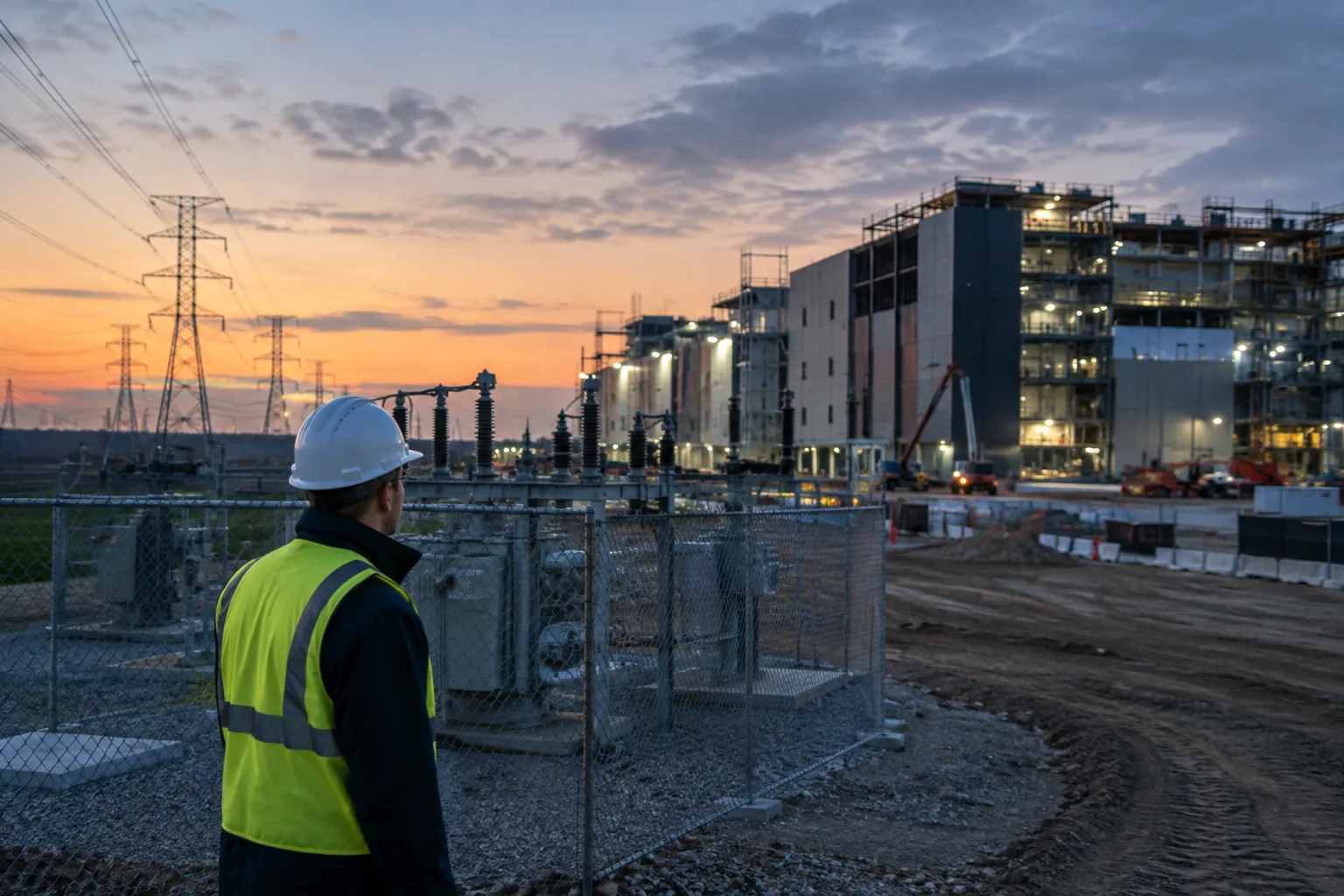
Crusoe is trying to scale through at least two infrastructure models at once. Large campuses can support dense training and inference workloads and may appeal to hyperscalers, frontier-model developers and other buyers that want big blocks of capacity. But they come with long construction timelines, permitting complexity and heavy capital needs.
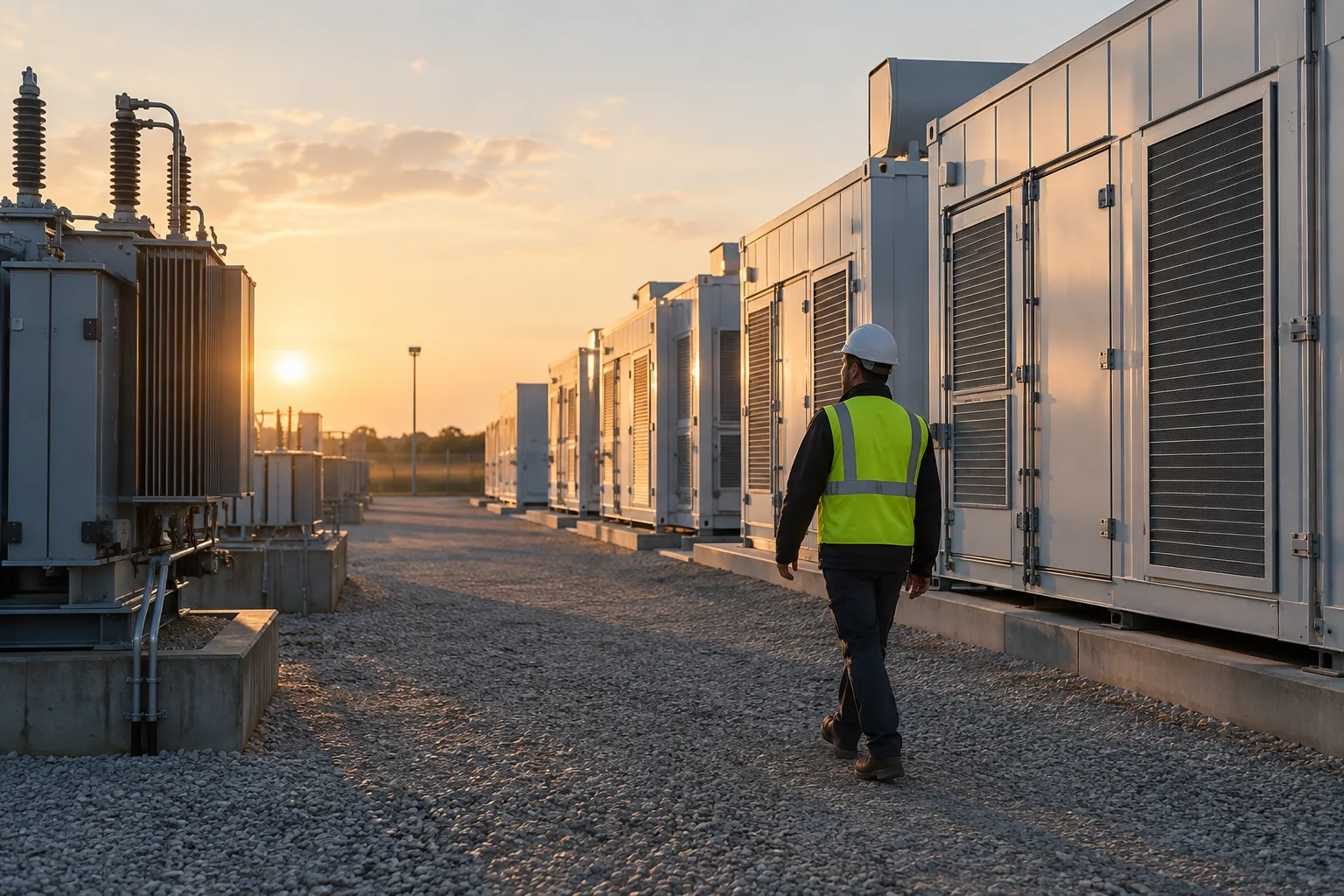
Spark units, by contrast, are meant to be smaller, modular deployments that can be manufactured in the United States and brought online incrementally where power is available. As Dealroom noted, the idea is to shorten the path from site selection to energized compute. If that works, Spark could give Crusoe a speed advantage in a market where months matter. But modularity does not erase site-by-site differences in interconnection, cooling design, network access, regulation or reliability. A truck-ready unit is not automatically an economically identical unit.
That is why the round is notable but not yet decisive. Crusoe says it serves AI-native companies, hyperscalers, frontier-model builders and enterprises, and names Cognition, Figure and Perplexity as Crusoe Cloud customers. Those are credible reference points. Still, training, inference and managed services have different utilization patterns, latency requirements and margin structures. A financing round can accelerate all three without revealing which one, if any, will produce durable business economics.
What buyers and investors should ask next
The practical diligence questions are not glamorous, but they are the ones that matter. How much of the reported 6 gigawatts is firm versus still working through construction or interconnection? When does each major site energize? How concentrated is the $140 billion-plus TCV by customer, geography and contract duration? Are commitments take-or-pay, or more conditional? How quickly does invested capital become billable capacity?
Enterprise buyers should press just as hard on operating details. They need the all-in cost per delivered GPU-hour, redundancy across power, cooling and networking, service-level terms and credits, and failover plans when a site or region has trouble. For managed inference, they should test Crusoe’s performance claims on their own models and traffic patterns rather than treating a headline comparison as a purchasing decision.
Crusoe’s rise from a crypto-mining business founded in 2018 to a multibillion-dollar AI-infrastructure company is a sharp illustration of where capital is flowing in this cycle: toward whoever can find power, build faster and wrap scarce compute in usable cloud services. The company has clearly convinced investors that vertical integration may be a real advantage. What it has not yet shown in this financing announcement is the full economic bridge from contracted demand to energized, utilized and cash-generating capacity. That bridge is what will determine whether Crusoe’s valuation looks prescient or premature.

 By
By
 By
By

 By
By
 By
By
 By
By
 By
By