
The Regulatory Crossroads of Automated Mobility
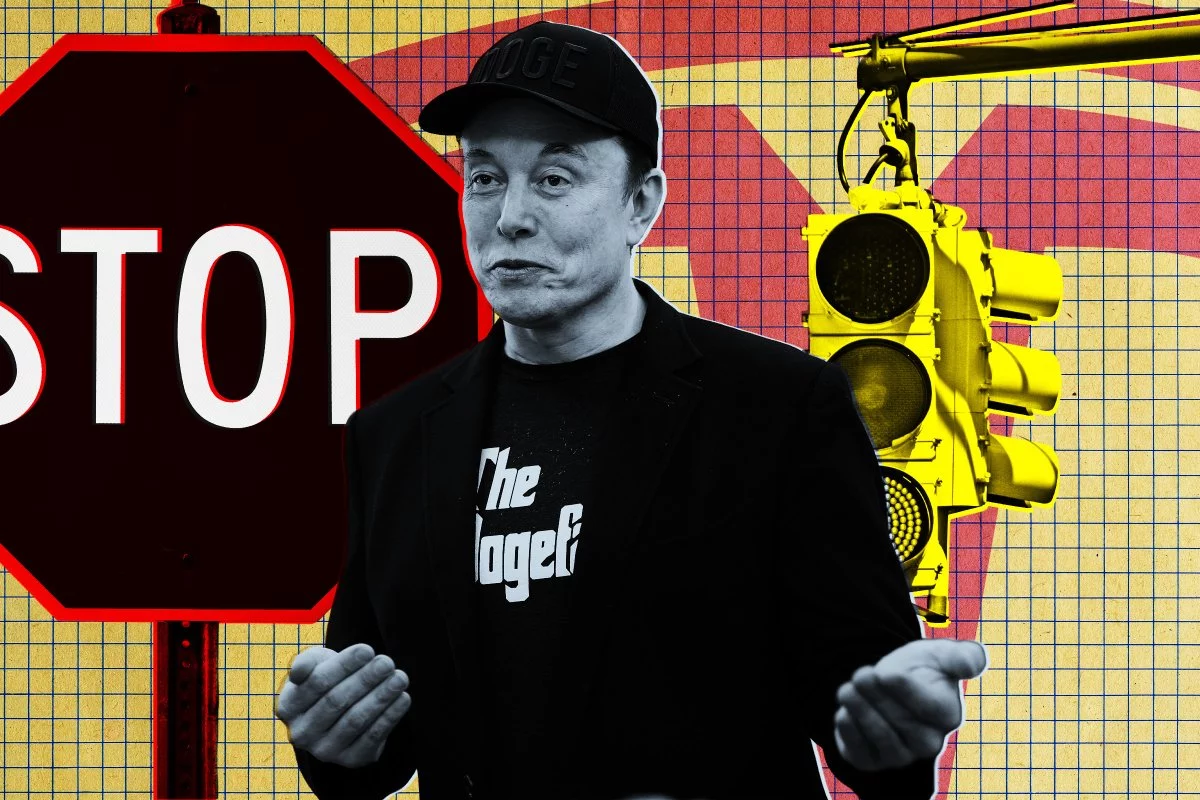
The U.S. National Highway Traffic Safety Administration’s (NHTSA) recent decision to grant Tesla a five-week extension to produce extensive data on its “Full Self-Driving” (FSD) vehicles is more than a bureaucratic footnote—it is a pivotal moment in the evolving relationship between regulators and the architects of AI-driven transportation. With the new deadline set for February 23, 2024, the stakes are high: over sixty alleged traffic-law violations, fourteen crashes, and twenty-three injuries are under scrutiny, and the specter of daily penalties exceeding $139 million looms over Tesla’s compliance obligations.
This extension, while procedurally routine, has ignited a broader debate about regulatory rigor in the face of rapid technological change. The optics of leniency toward Tesla are being parsed not just in Washington, but in boardrooms and courtrooms across the country. As the NHTSA shapes its response, it is simultaneously crafting the blueprint for how advanced driver-assistance systems (ADAS) will be governed in the United States—and, by extension, how AI telemetry will be archived, audited, and surrendered as a matter of public safety.
Data, Language, and the Edge-Case Dilemma
At the heart of this regulatory drama lies a profound tension between nomenclature and capability. Tesla’s “Full Self-Driving” moniker collides with the technical reality of Level 2 automation, where human oversight remains indispensable. This linguistic gap has become a legal flashpoint, enabling plaintiffs and regulators to sidestep the labyrinthine debate over probabilistic autonomy and instead focus on claims of deceptive marketing. The implications are clear: as language becomes a lever for litigation, every word in a product’s branding is now a potential liability.
The technical challenges, meanwhile, are unrelenting. Reports of FSD-enabled vehicles running red lights or failing to recognize railroad crossings underscore the density of edge cases inherent in real-world traffic. Each incident chips away at the statistical legitimacy of “mean time between interventions,” compelling Tesla to consider hardware redundancy—such as LiDAR integration—or to accelerate neural network retraining cycles. The company’s historic reluctance to share raw crash data, in contrast to the consortium-based safety initiatives emerging in Europe, may ultimately hamper both industry learning and regulatory goodwill.
Economic Ripples and Competitive Realignment
The regulatory scrutiny facing Tesla is not occurring in a vacuum. The recent $329 million verdict against the company, coupled with the threat of NHTSA penalties, is recalibrating Tesla’s risk premium at a time when capital is already growing more expensive. This litigation drag directly impacts the company’s cost of capital, while competitors like Hyundai-Kia and GM—whose own ADAS offerings face fewer legal headwinds—enjoy greater flexibility to invest in fleet electrification and software innovation.
Insurance dynamics are also shifting. As doubts about FSD’s actuarial profile mount, traditional insurers are poised to widen premium spreads, increasing the total cost of ownership for Tesla drivers and potentially undermining the company’s ambitions in the insurance market. Should regulatory or market forces compel Tesla to retrofit vehicles with more robust sensor suites, the resulting demand spike could reshape the supply chain for LiDAR, 4D radar, and thermal imaging, altering the autonomy bill-of-materials for years to come.
Strategic Imperatives for the Next Phase of Autonomy
For industry leaders, the lessons from this regulatory inflection point are both urgent and actionable:
- Governance recalibration: Treat telemetry access as a foundational safety prerequisite. Establish robust, cross-functional audit trails to preempt regulatory subpoenas.
- Branding discipline: Revisit product naming conventions and disclaimers. The semantics of “autonomy” are now subject to legal and regulatory challenge.
- Insurance partnerships: Collaborate with insurers to develop dynamic premium models, validating safety claims and diversifying revenue streams.
- Sensor-fusion hedging: Maintain technical optionality around sensor integration, even if current philosophy favors camera-only stacks.
- Collective data pools: Participate in cross-OEM safety consortia to accelerate incident learning and build regulatory trust.
- Scenario planning: Model a range of regulatory outcomes—from negotiated settlements to forced recalls—and align budget allocations accordingly.
The NHTSA’s extension for Tesla is not merely a pause in an ongoing investigation; it is a signal of the maturing power dynamic between AI-enabled mobility platforms and their regulatory overseers. The outcome will reverberate far beyond Tesla, redefining compliance standards, shifting competitive hierarchies, and setting the tone for the next era of intelligent mobility. Those who view data transparency, sensor redundancy, and linguistic precision as strategic assets—not burdens—will be best positioned to shape the future of autonomous transportation.

 By
By
 By
By
 By
By
 By
By

 By
By

 By
By