
The Rise of AI Streamers: Neuro-sama and the New Economics of Digital Entertainment
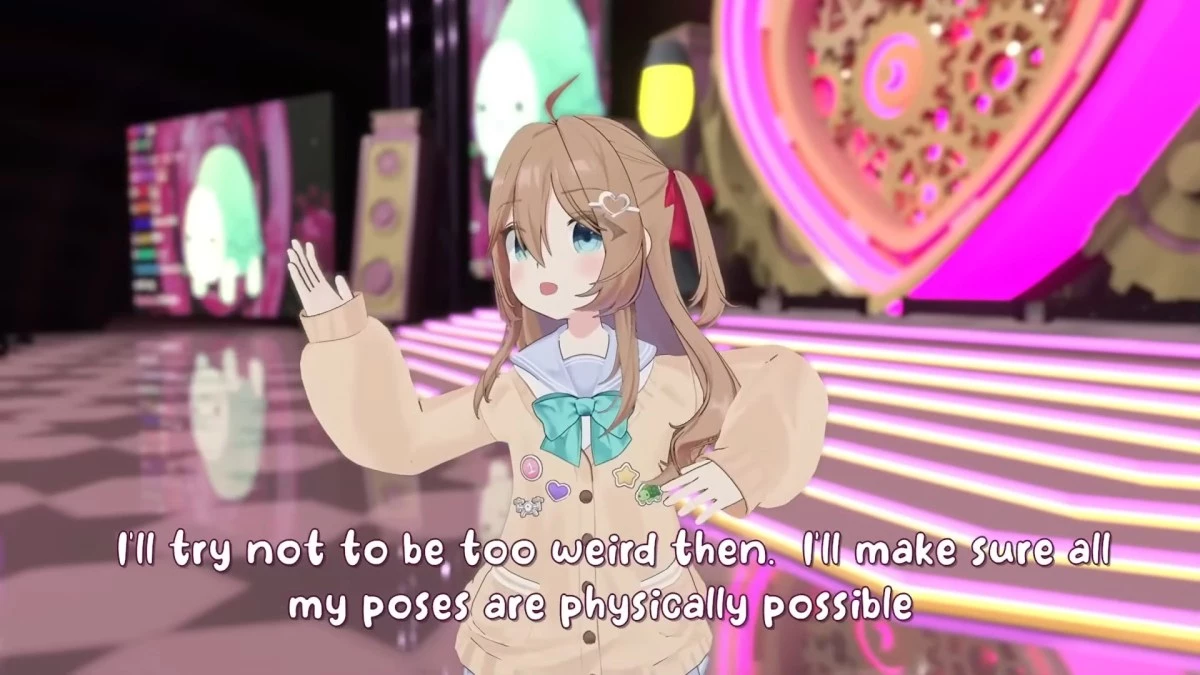
A seismic shift is underway in the world of live-streaming. Neuro-sama, an AI-generated streamer crafted by the solo developer Vedal987, has soared to the top of Twitch’s leaderboard, eclipsing every human creator in paid subscriber count. With over 165,000 active subscribers and an estimated $400,000 in monthly recurring revenue—excluding sponsorships and advertising—Neuro-sama’s ascent is more than a viral phenomenon. It is a harbinger of a new era in synthetic media, where digital personalities not only rival but outpace their human counterparts on the grandest stages of online entertainment.
The Architecture of Synthetic Charisma: How AI Streamers Captivate at Scale
What sets Neuro-sama apart is not just her presence, but the technological choreography behind the performance. Unlike VTubers, whose avatars are puppeted by human actors, Neuro-sama’s every word, gesture, and quip emerges from a sophisticated, full-stack generative loop:
- End-to-End Automation: A large language model (LLM) crafts dialogue in real time, while low-latency text-to-speech systems provide a synthetic yet expressive voice. A motion-captured 3D avatar translates these cues into fluid, on-screen movement.
- Continuous Feedback Loop: Live chat becomes both audience and co-author, feeding Neuro-sama a ceaseless stream of prompts. The AI responds with stochastic, sometimes chaotic banter, yielding an emergent “chat-tuned” personality that keeps viewers riveted.
- Infinite Scalability: Once trained, the marginal cost of entertaining each additional viewer approaches zero. Unlike human streamers, whose reach is bounded by time, energy, and personal brand, an AI persona can perform tirelessly, 24/7.
This technological leap is not merely about efficiency. It unlocks a new kind of entertainment—one where unpredictability, rather than polish, becomes the product. Viewers reward the novelty of an AI’s unscripted responses, propelling engagement metrics to heights that human streamers rarely achieve.
Economic Disruption: Redefining Talent and Monetization in the Attention Economy
The financial implications are profound. With a single developer at the helm, Neuro-sama’s channel generates studio-level revenues without the overhead of salaries, benefits, or burnout. This new unit economics of talent management signals a paradigm shift:
- Direct-to-Consumer Monetization: Subscribers are paying for the thrill of novelty and the allure of randomness, rather than the cultivated persona of a traditional influencer.
- Unbounded Monetization Windows: AI streamers are not constrained by labor laws or time zones. Advertising and sponsorship opportunities expand into a 24/7 global marketplace.
- Horizontal Expansion: The zero-scarcity nature of synthetic entertainers means dozens—or hundreds—of distinct AI personas could simultaneously serve niche audience segments, fracturing the market share of incumbent creators.
For platforms like Twitch, this presents both an opportunity and a challenge. AI-generated content now drives higher engagement per session, compelling rivals such as YouTube and TikTok LIVE to rethink their moderation, recommendation, and rights-management infrastructures. Each live session not only entertains but also generates a trove of conversational data, fueling iterative improvements in model sophistication—a virtuous cycle reminiscent of data network effects seen in autonomous vehicles and voice assistants.
Navigating Risk and Opportunity: Governance, Brand Safety, and Strategic Response
Yet, the rise of AI streamers is not without its shadows. The spontaneity that makes Neuro-sama so captivating also raises thorny questions around content liability and brand safety. Without a human in the loop, the risk of defamatory, offensive, or non-compliant statements increases. Developers and platforms must brace for regulatory scrutiny, as emerging EU and FTC guidelines foreshadow mandatory transparency and disclosure for AI personas.
Copyright is another looming frontier. Synthetic avatars may inadvertently mimic protected vocal styles or visual likenesses, inviting complex disputes over “synthetic performance rights.” Early movers who invest in robust governance frameworks and curated training data will not only protect their reputations but also pre-empt punitive policy interventions.
For media conglomerates and talent agencies, the strategic imperative is clear: develop or acquire AI character IP to complement, not supplant, human talent. The coexistence of animation and live-action offers a blueprint—one where synthetic and human creators together expand the boundaries of audience engagement. Infrastructure providers, from cloud platforms to GPU vendors, will find new markets in powering low-latency inference and edge deployment for AI-native entertainment.
Meanwhile, human creators are not obsolete—they are evolving. The future belongs to those who can orchestrate narratives, steward communities, and design multimodal intellectual property, leveraging the unique empathy and creativity that machines have yet to replicate.
Neuro-sama’s meteoric rise is not just a spectacle; it is a signal flare for the future of digital entertainment. The economics, governance, and creative paradigms of live content are being rewritten in real time. Those who recognize the inflection point—and move decisively—will shape the next chapter of the attention economy.


 By
By
 By
By

 By
By
 By
By
 By
By
 By
By