


Cracks in the Ice: Thwaites Glacier as a Catalyst for Global Economic Reckoning
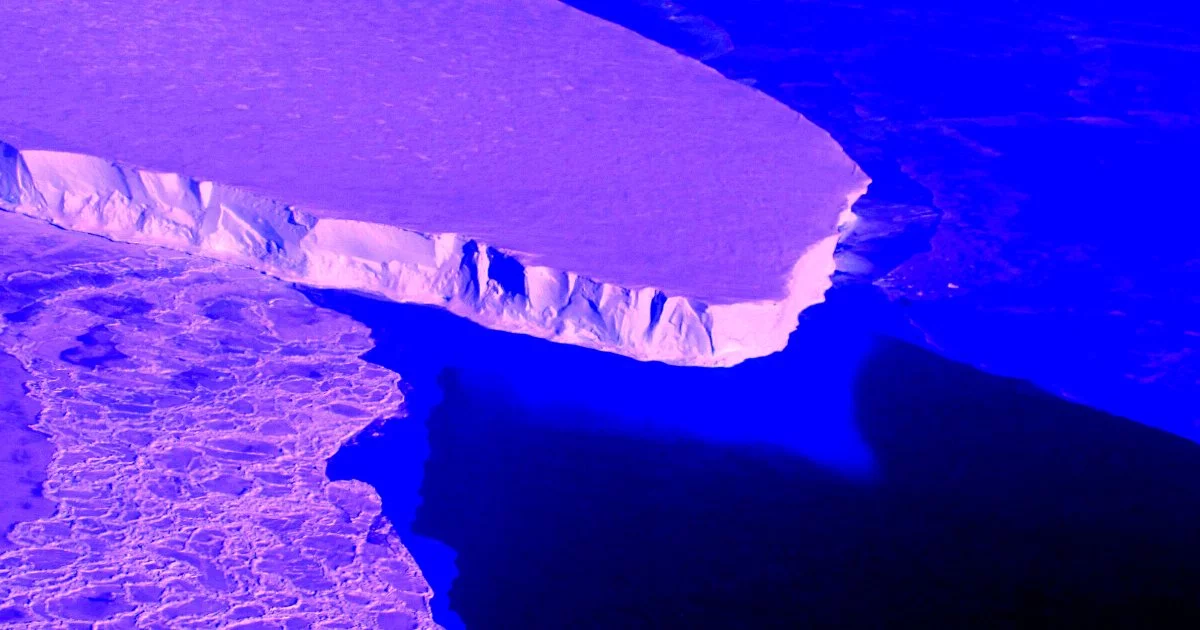
The world’s gaze has long been fixed on the Antarctic, where the Thwaites Glacier—ominously dubbed the “Doomsday Glacier”—has become a barometer for planetary change. Now, satellite-borne evidence reveals that Thwaites is unraveling at a pace that outstrips even the most dire scientific forecasts. Over the past two decades, the total length of fractures slicing through the glacier has doubled, a silent but unmistakable signal of mounting structural stress. What was once the province of glaciologists and climate modelers has abruptly entered the boardroom, morphing from an abstract environmental threat into a balance-sheet reality for global business and finance.
Fracture Metrics and Feedback Loops: Anatomy of an Accelerating Crisis
The scientific revelations are as sobering as they are precise. Crack length across Thwaites has surged from approximately 100 to over 200 miles between 2002 and 2022. This proliferation of smaller, distributed fractures is reminiscent of metal fatigue in engineered systems—a pattern that presages sudden, system-wide failure. Compounding this, six-mile-wide oceanic eddies, swirling with anomalously warm water, are eroding the glacier’s underbelly at rates that traditional climate models have consistently underestimated.
The feedback dynamics are particularly alarming. As meltwater from the glacier stratifies beneath the ice shelf, it draws up warmer, saltier water from the deep ocean, fueling an amplifying loop of basal melting. This is not a linear process; it is a nonlinear system with tipping points, where incremental changes can suddenly trigger runaway retreat. While scientists caution that a catastrophic collapse is not imminent, the trajectory is clear: the glacier’s retreat will accelerate throughout this century and the next, placing up to 11 feet of global sea-level rise within the realm of possibility.
This slow-burn crisis is no longer a distant concern. It is a time-bound disruptor, unfolding well within the investment horizons of infrastructure, insurance, and sovereign debt markets.
Technology’s Double-Edged Sword: From Remote Sensing to Quantum Modeling
The technological context surrounding Thwaites is nothing short of a renaissance. Multi-spectral, synthetic aperture radar (SAR), and LiDAR satellites now flood researchers with petabyte-scale data streams, enabling a granular, near-real-time understanding of glacial dynamics. AI-driven change-detection algorithms have slashed the time required to interpret this data from months to days, opening the door for real-time risk pricing in re/insurance and commodities markets.
High-performance computing is rewriting the rules of climate modeling. Exascale simulations—and the imminent arrival of quantum-accelerated platforms—allow for unprecedented resolution in ocean-ice interactions. Digital twins of global coastlines can now model sea-level rise in centimeter-scale increments, informing everything from adaptive civil engineering to the covenants underpinning municipal bonds.
Yet, the sobering reality is that these technological advances are revealing the inadequacy of conventional mitigation timetables. The findings from Thwaites sharpen the imperative for scalable negative-emissions technologies—direct air capture, advanced bioenergy with carbon capture and storage (BECCS), and nature-based solutions. The decarbonization tech stack is no longer a matter of long-term aspiration; it is a near-term necessity.
Economic and Strategic Aftershocks: Repricing Risk in a Submerging World
The economic ramifications of Thwaites’ retreat are staggering:
- Coastal Asset Repricing: An estimated $15 trillion in global coastal real estate faces accelerated depreciation or outright write-downs. Insurance providers are already retreating from high-risk zones, with surge pricing and policy exclusions shifting risk back to sovereign balance sheets.
- Critical Infrastructure Exposure: Fourteen of the world’s twenty busiest ports sit less than ten feet above current sea level. Disruption here reverberates through just-in-time supply chains and maritime insurance rates, while data-center clusters in low-lying tech hubs confront mounting capital expenditures for flood hardening.
- Capital Markets: Municipal bonds tethered to coastal tax bases may soon face credit-rating downgrades, echoing the fate of utilities exposed to wildfire risk. ESG fund flows are recalibrating, with adaptation technology now sharing the investment spotlight with mitigation.
Strategically, the “adaptation value chain” is catalyzing a new era of cross-sector convergence. Engineering giants, climate-tech innovators, and geospatial analytics firms are forging consortia to monetize the coming wave of adaptation demand. Re/insurers, recognizing the obsolescence of traditional actuarial models, are partnering with satellite operators to create dynamic, real-time climate-risk markets. The specter of sea-level rise is also redrawing geopolitical maps, accelerating Arctic shipping ambitions and raising the stakes for climate-linked migration from vulnerable deltas.
Navigating the New Reality: Actionable Insights for Decision-Makers
For executives and asset managers, the message is unambiguous: The time for reactive adaptation is past. Proactive integration of multi-meter sea-level scenarios into portfolio stress-testing, strategic investments in flood-resilient infrastructure, and a recalibration of supply-chain and site-selection criteria are now imperative. Early engagement with policy frameworks—advocating for carbon pricing and adaptation funding—can help level the competitive playing field and reduce long-term uncertainty.
As Thwaites Glacier transitions from a scientific curiosity to a quantifiable disruptor of global value chains, those who translate glaciological data into decisive capital allocation will not only mitigate downside risk but also seize emergent opportunities in the burgeoning adaptation economy. The ice is cracking, and with it, so too are the old paradigms of risk and reward.

 By
By
 By
By

 By
By
 By
By

 By
By
 By
By







