
The Shape of Tomorrow: How Sneakers Are Rewriting the Rules of Style and Substance
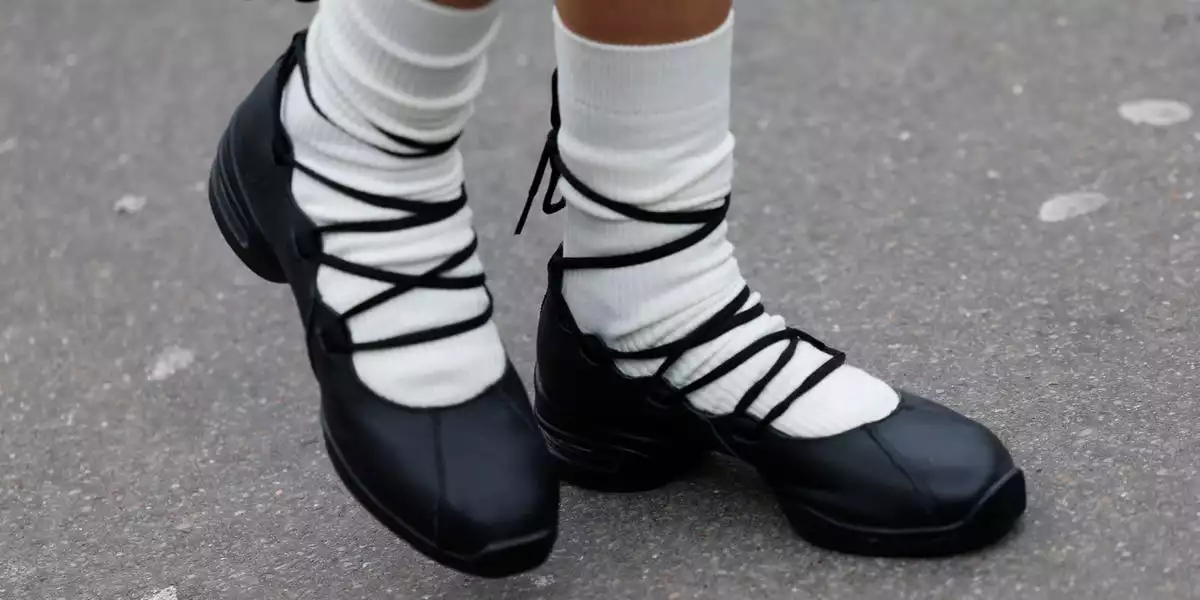
As the sneaker market pivots toward 2026, the once-unassailable reign of chunky dad shoes and platform soles is receding, making way for a new vanguard of slim retro runners, hiking-inspired silhouettes, and ballet-inflected hybrids. This is not merely a matter of shifting aesthetics; it is a profound recalibration of what consumers value in footwear, driven by technological innovation, evolving lifestyles, and a collective fatigue with hype-driven scarcity.
Material Alchemy and Digital Craft: The Technology Behind the Trends
The future of sneakers is being engineered as much in the lab as in the design studio. Advanced materials—trail-grade rubbers, recycled nylons, and bio-based foams—are migrating from the mountainside to the city street, enabling shoes that are lighter, more breathable, and yet rugged enough to withstand urban abrasion. This material evolution is not just about sustainability, though that is a powerful undercurrent; it is about delivering comfort and versatility without compromise.
Behind the scenes, digital design pipelines are quietly revolutionizing the creative process. Brands now wield 3-D modeling and generative color-blocking algorithms to conjure bold, texture-rich palettes at a fraction of the traditional cost. Rapid prototyping allows for swift iteration, aligning perfectly with consumers’ appetite for chromatic experimentation and tactile storytelling.
Hybrid construction methods—think cup-sole/Blake stitch fusions and sneaker-loafer uppers—are being assembled with robotic precision. The result: formal aesthetics on athletic platforms, blurring the boundaries between office, street, and trail. Sustainability is no longer a niche concern; mass-market adoption of recycled midsoles and mono-material uppers is becoming table stakes, especially as regulatory frameworks like the EU’s eco-design directives loom on the horizon.
The New Consumer: Storytelling, Function, and Value
What do today’s buyers want? The answer is as nuanced as it is urgent. Post-pandemic, the lines between work, leisure, and adventure have dissolved. The modern consumer demands footwear that transitions seamlessly from the boardroom to the subway to the hiking trail—a demand that has given rise to the “office sneaker,” a hybrid that marries athletic comfort with formal polish.
Inflationary pressures are sharpening the focus on value. Understated retro runners and ballet sneakers—styles that flex across multiple wardrobes—are emerging as smart investments for cost-conscious shoppers. Meanwhile, the era of “hype scarcity” is waning. The fatigue with raffles, bots, and artificial exclusivity has set in; consumers are now drawn to brands with authentic narratives, be it heritage, craftsmanship, or technical innovation.
Climate volatility, too, is shaping preferences. Grippy, water-resistant, and quick-drying features—once the domain of outdoor brands—are now sought after in everyday footwear. Brands that can credibly bridge the gap between performance and lifestyle stand to capture a functional premium.
Competitive Realignment and Operational Imperatives
The competitive landscape is fragmenting in fascinating ways. Traditional giants like Nike, adidas, and ASICS are facing incursions on two fronts: outdoor performance brands such as Salomon and HOKA are leveraging their trail credibility to woo urban consumers, while luxury houses like Miu Miu and Loewe are distilling ballet and retro motifs into high-margin capsules. Mid-tier fashion labels, meanwhile, find themselves squeezed, lacking either the technical prowess or narrative depth to stand out.
Operationally, the shift away from chunky silhouettes is more than a design decision. Slimmer lasts reduce material costs and volatility, freeing up capacity in a world of unpredictable supply chains. The proliferation of colorways, enabled by digital demand-sensing and localized micro-factories, introduces new inventory risks—requiring agile, data-driven approaches to avoid costly overstock.
Environmental and social governance (ESG) audits are intensifying, especially as trail and hiking crossovers invite scrutiny of rubber sourcing and chemical treatments. Brands that proactively substitute safer, more sustainable materials can pre-empt regulatory friction and build trust. Meanwhile, hybrid office sneakers are quietly reducing returns—solving the perennial headache of dress-code ambiguity for omnichannel retailers.
Executive Playbook: Navigating Risks and Seizing Opportunity
For executives, the next two years are a crucible of risk and reward:
- Opportunities include:
– Tapping into the “office-ready athleisure” white space via co-branded hybrid lines with suiting brands.
– Deploying AR/VR try-on technologies that highlight tactile detail, differentiating in an increasingly digital marketplace.
– Licensing modular midsole platforms across fashion subsidiaries, amortizing R&D and accelerating innovation.
- Risks loom in the form of:
– Overcorrecting toward minimalism and missing the enduring appetite for expressive, color-forward designs.
– Margin erosion from specialty material premiums, unless offset by advanced forecasting and supply chain agility.
– Brand dilution from excessive, unfocused collaborations that lack authentic functional linkage.
Emergent watch points—sensor-embedded insoles, circularity mandates, generative AI in merchandising, and the rise of second-life marketplaces—will further disrupt the landscape, demanding vigilance and adaptability.
The sneaker market’s evolution is not just a matter of fashion cycles; it is a reflection of deeper structural shifts in how we live, work, and express ourselves. Those who fuse outdoor performance science with compelling narrative, while modernizing their supply chains for agility and sustainability, will be best positioned to capture the next generation of sneaker enthusiasts—and define the shape of tomorrow’s steps.

 By
By
 By
By

 By
By

 By
By
 By
By




 By
By