

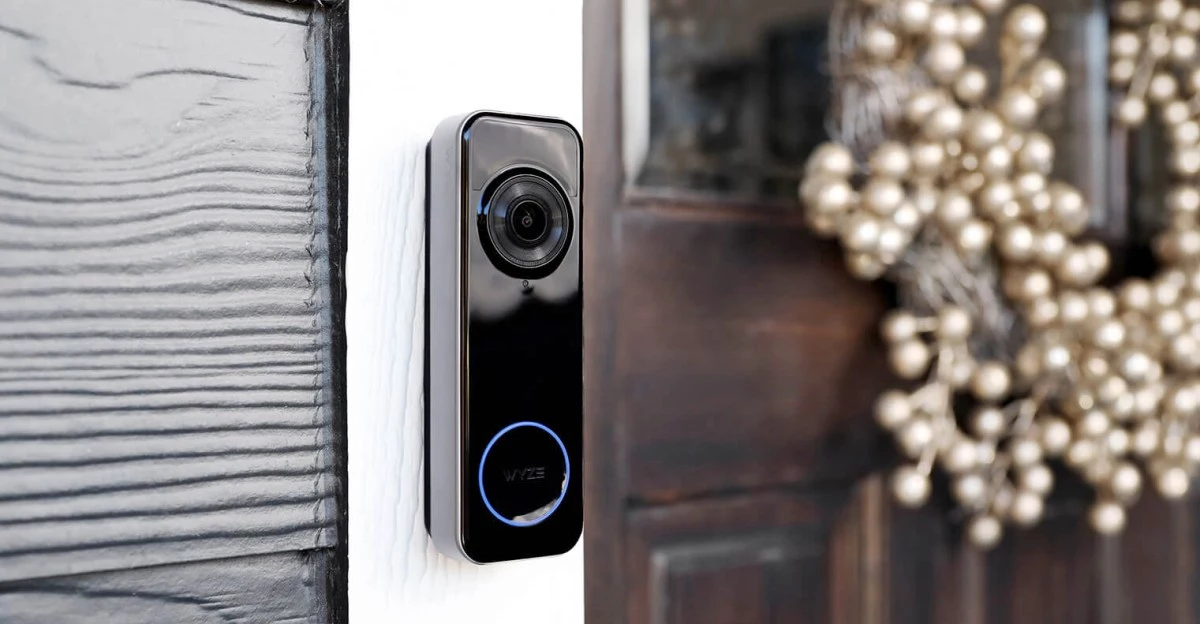

Disrupting the Smart Doorstep: Wyze’s Calculated Bet on Affordable Security
In the ever-evolving theater of smart-home innovation, Wyze’s latest salvo—a $65.98 Battery Video Doorbell—lands with the subtlety of a thunderclap. At a price point that undercuts Amazon’s Ring and Google’s Nest by a wide margin, Wyze is not merely selling hardware; it is redrawing the boundaries of what connected-home security can cost, and, by extension, who can afford it. Yet beneath the headline-grabbing sticker price lies a complex interplay of technology choices, business model gambits, and looming regulatory scrutiny that will shape the future of the entire sector.
The New Economics of Smart Home Security
Wyze’s approach is a masterclass in cost leadership. By offering a hybrid-power device—capable of running on battery or wired connections—the company deftly addresses the needs of renters, multifamily dwellers, and retrofitters, all prime demographics in the swelling tide of residential IoT adoption. The decision to dial back resolution from 2K to 1.5K, while simultaneously expanding the field of view to a generous 150°, signals a nuanced understanding of consumer priorities: in the calculus of user experience, seeing the full porch and package drop trumps raw pixel count.
The implications for the market are profound:
- Total Addressable Market Expansion: Lower prices unlock new customer segments, accelerating adoption but compressing profit margins.
- Feature/Price Trade-Offs: Consumers increasingly value practical optics (full-body and package view) over technical specs, shifting the axis of competition.
- Hybrid Power as Table Stakes: Installation-agnostic devices are no longer a luxury but a necessity for market relevance.
This aggressive pricing, however, is not without peril. The normalization of component costs post-pandemic offers only a temporary reprieve; volatility in lithium and DRAM markets could swiftly erode margins if subscription revenues falter.
Technology Choices: Edge, Cloud, and the Privacy Equation
Beneath the minimalist exterior, the new Wyze doorbell is a study in calculated trade-offs. Local microSD storage—supporting up to 256 GB and optional 24/7 recording—offers a partial hedge against both privacy anxieties and the specter of rising cloud costs. Yet, the most coveted features—AI-powered person and package detection—remain securely gated behind a cloud subscription, echoing a broader industry trend: monetize inference, not just hardware.
This strategic choice stands in contrast to the privacy-forward stance of Apple’s HomeKit Secure Video, which performs AI analysis on-device. The result is a bifurcated market, where consumers must weigh the convenience and intelligence of the cloud against the sovereignty and latency benefits of edge compute.
- Battery Endurance Claims: Wyze’s assertion of six-month battery life, a leap from user-reported figures on previous models, hints at new power-management silicon or denser Li-ion cells. The veracity of these claims will be tested in the field, where overpromising has previously led to elevated return rates and brand erosion.
- Security Stack Maturity: While Wyze has implemented post-breach hardening—zero-trust firmware and upgraded encryption—its lag behind SOC-2 and ISO-27001 certifications may limit expansion into more demanding B2B channels.
Navigating Subscription Economics and Regulatory Crosswinds
The razor-and-blade model—affordable hardware as a conduit to recurring cloud revenue—remains central to Wyze’s strategy. Subscription tiers ranging from $2.99 to $19.99 per month promise AI detection, extended cloud history, and incident reporting, all designed to boost ARPU and reduce churn. Yet, as inflation squeezes discretionary spending, the perceived value of these features will be tested as never before.
Meanwhile, the regulatory horizon is darkening. Both the EU and U.S. are poised to enforce stricter cybersecurity standards, with mandatory disclosure and minimum security baselines. Wyze’s historical lapses in this area may invite heightened scrutiny, particularly as the company seeks to diversify into multifamily and SMB channels where auditability is non-negotiable.
- Ecosystem Lock-In: Expect bundling of doorbell, camera, and sensor feeds into unified subscriptions—a tactic to raise switching costs and deepen user engagement.
- Edge AI Migration: As low-power neural processors become commoditized, on-device person/package detection is within reach, promising reduced cloud costs and improved privacy.
- Channel Diversification: Penetration into property management and SMB storefronts will require hardened security certifications and robust OTA management.
Wyze’s Battery Video Doorbell is more than a product; it is a statement of intent. The company’s ability to deliver secure, value-driven innovation—while navigating the twin shoals of regulatory oversight and economic volatility—will determine not just its own trajectory, but the shape of the smart-home security market for years to come.

 By
By
 By
By
 By
By
 By
By

 By
By
 By
By








