

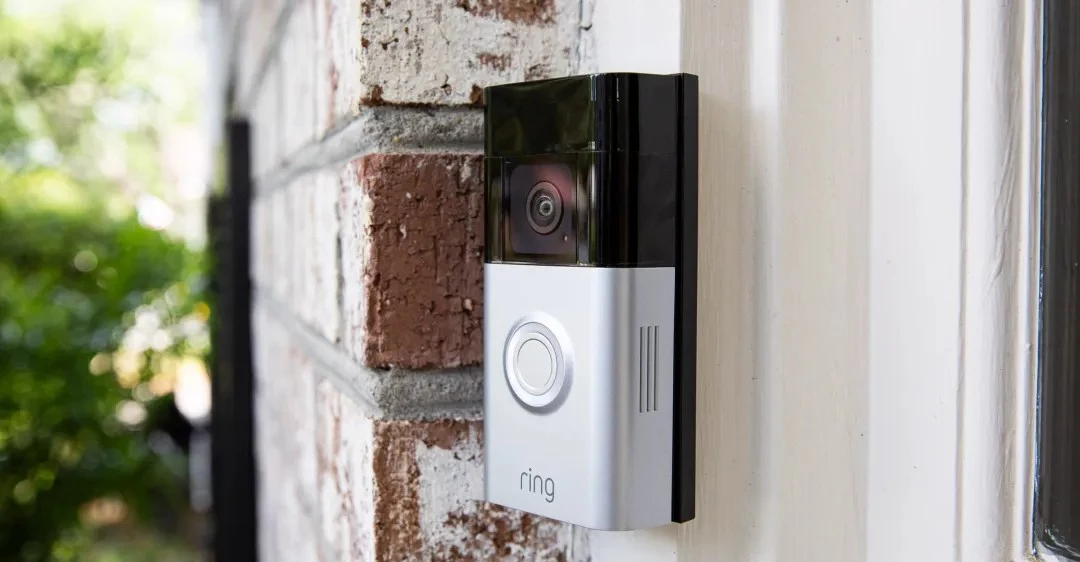

A Calculated Gambit: Amazon’s Doorbell Plus Price Plunge and the New Smart-Home Chessboard
The American front porch, once a symbol of neighborly exchange and idle observation, has become a battleground for the world’s most ambitious technology companies. Amazon’s latest maneuver—slashing the price of its Ring Battery Doorbell Plus from $149.99 to a striking $79.99—signals more than a seasonal promotion. It is a meticulously timed offensive, coinciding with Halloween’s trick-or-treaters, the crescendo of fall Prime Day, and the annual holiday retail crescendo. The move is not just about selling doorbells; it’s about redefining the smart-home perimeter and, by extension, the very architecture of domestic trust.
Sensor Fusion and the Edge: The Doorstep as Data Frontier
The Ring Battery Doorbell Plus is not a mere camera with a chime. Amazon has engineered a device that blends a 1536p HDR CMOS imager with mmWave radar, a sensor stack that rivals the best of Google Nest and Arlo. This is not incremental innovation—it is a leap into sensor fusion, where radar’s volumetric mapping dramatically reduces the false positives that have long plagued passive infrared systems. The result: a doorbell that “sees” in three dimensions, distinguishing the UPS delivery from the neighborhood cat with a precision that is quietly transformative.
- Edge AI and Latency: The device’s live video surfaces twice as fast as many competitors, a feat likely achieved through aggressive on-device pre-buffering and a reimagined signaling path within Amazon’s Sidewalk/BLE-Wi-Fi stack. This is not just a technical flourish; it is foundational for real-time, AI-driven automations—think instant lock releases or dynamic lighting cues triggered by presence, not just motion.
- Alexa Integration and Subscription Layer: For $4.99 a month, users unlock AI-filtered alerts—people, packages, and more—alongside cloud storage. This hardware-plus-services model is the spine of Amazon’s smart-home strategy, turning every doorbell into a recurring revenue node and a data generator of immense value.
Economics of the Loss Leader: Subscriptions, Data, and the Last Meter
Amazon’s pricing calculus is clear-eyed and ruthless. With bill-of-materials estimates hovering around $55–$65, selling the Doorbell Plus at $79 leaves little room for traditional margin. Yet, this is not a loss; it is an investment in the long game:
- Gross Margin Sacrifice for Service Attach: The real profit lies in subscriptions, cloud video retention, and the gravitational pull toward Alexa-powered homes. Each discounted unit is a Trojan horse, embedding Amazon deeper into the rhythms of daily life.
- Logistics Synergy and Data Network Effects: The doorbell’s package-detection capabilities are not just a convenience—they are a linchpin for Amazon Key, the company’s in-garage and in-home delivery programs. Every device deployed is a trust-building node for last-meter logistics, a strategic advantage as same-day delivery becomes table stakes. Meanwhile, anonymized video snippets feed Amazon’s computer-vision training engines, fortifying AWS Rekognition and future smart-home inference services.
- Competitive Pressure and Channel Discipline: By undercutting Google Nest and Arlo—whose comparable models sit at $179 and $149, respectively—Amazon forces rivals to either erode their own margins or pivot to privacy-centric narratives. Synchronous pricing across Amazon, Best Buy, and Home Depot also signals a new era of retail channel sophistication, minimizing gray-market arbitrage and keeping big-box partners aligned.
Regulatory Shadows and the Road Ahead: Privacy, Sustainability, and Platform Wars
Yet, this aggressive expansion is not without risk. Regulatory scrutiny looms large, with the FTC probing Amazon’s consumer-data practices and Ring’s checkered history of police-sharing partnerships. The specter of GDPR, CPRA, and potential U.S. federal legislation could force a reckoning—one in which on-device processing and differential privacy become not just technical options, but business imperatives.
- Energy and Environmental Pressures: The battery-powered format dovetails with the broader smart-home electrification trend, but lifecycle assessments and looming EU e-waste directives may soon demand modular, serviceable hardware—a challenge and opportunity for the industry at large.
- Marketplace Expansion and Consumer Sentiment: Sub-$100 pricing is not just about outflanking competitors; it is about expanding the total addressable market. As interest rates rise and discretionary spending tightens, Amazon’s gambit brings advanced security to households that might otherwise have remained on the sidelines.
The discounted Doorbell Plus is not a fleeting promotion—it is a calculated land-grab for subscriptions, data, and a privileged position at the threshold of the American home. The arrival of radar-enabled sensor fusion at mass-market pricing marks a pivotal inflection point, one that will ripple across the broader IoT landscape. For executives and strategists, the message is clear: the doorstep is no longer a boundary, but a strategic endpoint—one that will shape consumer trust, data access, and last-mile economics for years to come.

 By
By
 By
By
 By
By
 By
By


 By
By








