
The New Geography of Travel: Navigating the Post-Pandemic Visitor Economy
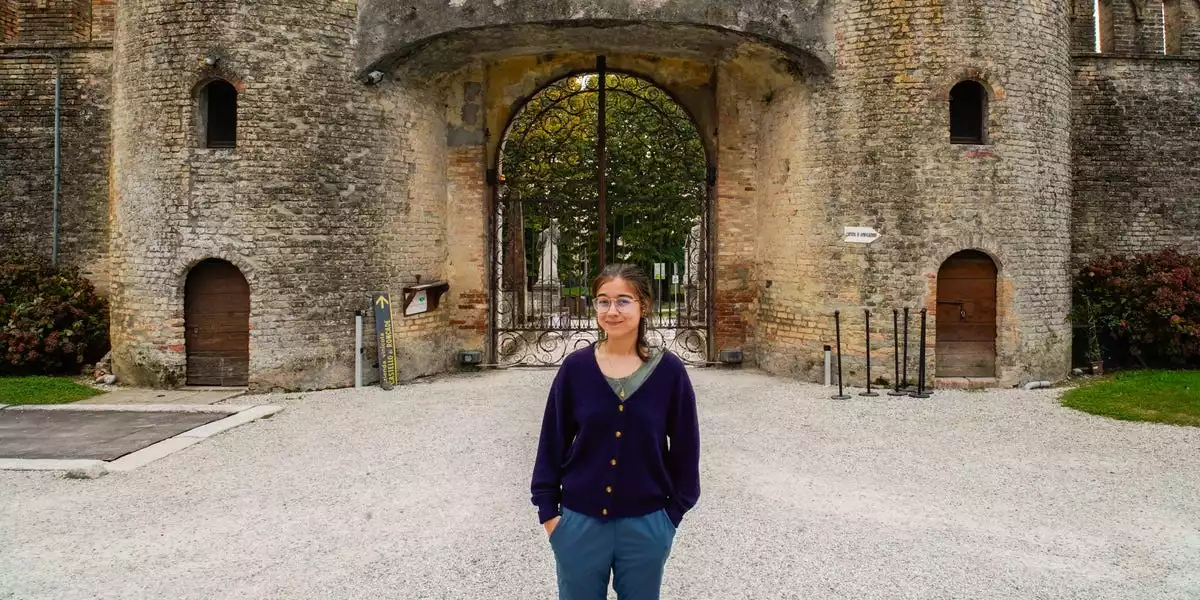
A recent first-person account from Italy, rich in both frustration and insight, offers a microcosm of the seismic shifts now reshaping the global travel landscape. The narrative—marked by compressed schedules, surging crowds, and cultural friction—illuminates a visitor-economy at a crossroads, where the old playbook of maximizing throughput collides with new imperatives for sustainability, authenticity, and local stewardship. As cities from Venice to Florence grapple with the consequences of overtourism, the industry finds itself in a moment of reckoning, and, perhaps, reinvention.
Compression, Crowds, and the Changing Shape of Demand
The post-pandemic travel surge has not merely revived the industry—it has fundamentally altered its rhythms. Once-quiet shoulder seasons now pulse with activity, driven by hybrid work, airfare volatility, and the algorithmic nudges of dynamic pricing engines. October in Italy, traditionally a time of respite, has become a case study in demand flattening. The consequences are tangible:
- Itinerary Compression: The traveler’s whirlwind tour—three cities in six days—epitomizes a broader industry tendency to prioritize volume over depth. Such short stays dilute local economic impact, intensify congestion, and often leave both visitors and residents dissatisfied.
- Day-Tripper Externalities: The practice of lodging outside city centers, especially in iconic destinations like Venice, enables tourists to sidestep local taxes while still contributing to foot-traffic and wear on heritage sites. Municipalities are responding with a toolkit of entry fees, timed tickets, and real-time crowd analytics.
- Knowledge and Etiquette Gaps: The friction experienced at points of cultural contact underscores an unmet need for just-in-time, hyperlocal guidance—an opportunity ripe for AI-driven “etiquette layers” within mapping and super-app ecosystems.
Technology as Steward: Orchestrating Flows and Experiences
The intersection of data, AI, and travel is no longer theoretical. Edge analytics powered by computer-vision sensors and telco mobility data are already being piloted to predict, redirect, and even throttle visitor flows. These technologies promise to:
- Dynamically Reopen Under-Visited Corridors: By analyzing real-time density, cities can guide travelers to lesser-known neighborhoods, reducing pressure on fragile landmarks.
- Personalize Itineraries with Generative AI: Advanced models can now synthesize capacity data, carbon budgets, and individual preferences to suggest longer, lower-impact journeys—monetizing the “quality over quantity” ethos.
- Enhance Cultural UX: Augmented reality overlays and language-agnostic micro-modules can deliver etiquette tips and local context, reducing missteps and enforcement costs.
For travel-tech innovators and research labs such as Fabled Sky Research, the challenge and opportunity lie in embedding these tools seamlessly into the user journey, making responsible travel not just possible, but irresistible.
Economic Realignment: From Throughput to Immersion
The economic calculus of tourism is shifting. Destinations that incentivize longer stays—often through four-night minimums—see a marked uplift in per-capita spend, stronger local wage capture, and a smoothing of utility loads. Meanwhile, overflow demand from marquee cities is catalyzing hotel conversions and redevelopment in secondary destinations, as investors chase the next growth frontier.
- Yield vs. Length-of-Stay: Extended residencies generate 30–40% more local economic benefit per tourist, with less volatility.
- Asset Repricing: Tier-2 cities are experiencing rising average daily rates (ADRs), drawing capital toward adaptive reuse and mixed-use projects.
- Carbon Cost Internalization: New EU taxonomy rules and Scope 3 travel disclosures are nudging corporate travel managers toward rail-centric, hub-avoidance itineraries, subtly reshaping airline route economics.
The Future of Travel: Stewardship, Authenticity, and Data-Driven Design
The traveler’s most memorable moment—an unplanned, serendipitous exploration—echoes a growing market appetite for slow, immersive travel. Hospitality brands are responding, repositioning themselves as curators of cultural immersion rather than mere room merchants. Regulatory regimes are tightening, with visitor caps, ESG-linked levies, and data-sharing mandates on the horizon.
For decision-makers across the ecosystem, the path forward demands:
- Predictive, Adaptive Management: Digital permits and real-time quotas that flex with weather, transport, and event data.
- Ethical, Embedded Guidance: Booking platforms that nudge travelers toward off-peak slots, local vendors, and lower-carbon choices.
- Portfolio Rebalancing: Investors pivoting toward overlooked districts and SaaS solutions for crowd management and personalized planning.
The visitor economy stands at a threshold. Stakeholders that harness data-centric orchestration, incentivize deeper stays, and prioritize cultural fluency will not only mitigate the risks of overtourism but unlock a more resilient, higher-margin future—one where the promise of travel is as rich for the host as for the guest.


 By
By
 By
By
 By
By


 By
By