


Disrupting the Connector Status Quo: A Case for Legacy iPhone Longevity
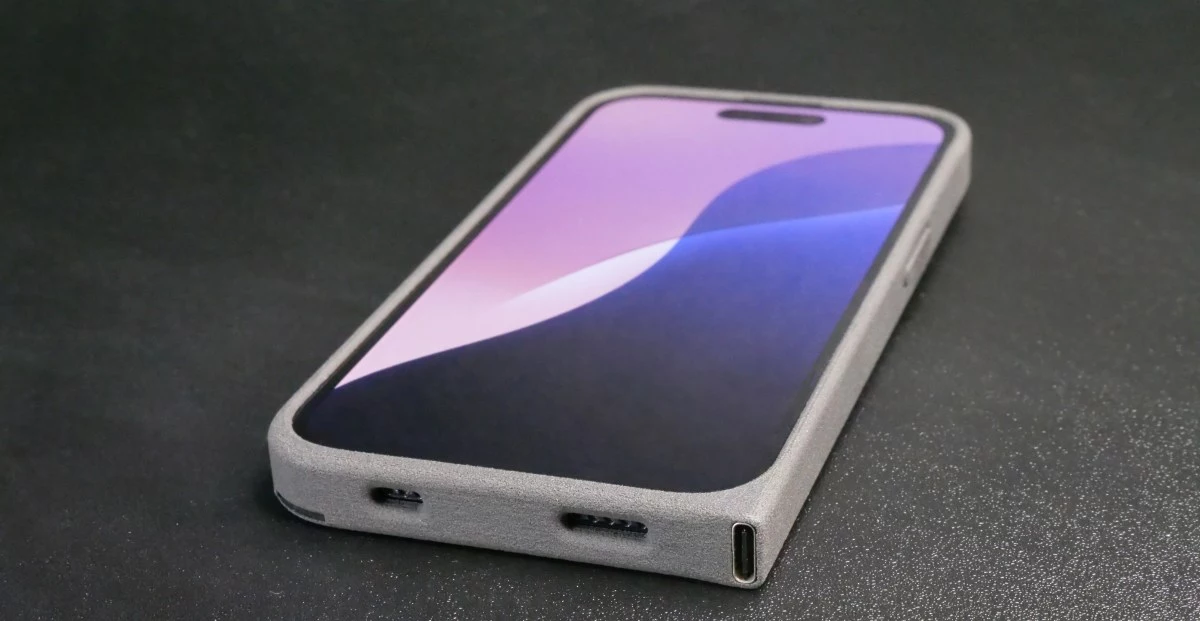
In a world where the relentless cadence of hardware refresh cycles often feels inevitable, Ken Pillonel’s latest invention—a phone case that transforms Lightning-equipped iPhones into USB-C devices—offers a rare, almost subversive, pause. Retailing for $45–55, this unassuming accessory, available through Obsoless.com, is not merely a feat of engineering; it is a pointed critique of planned obsolescence and a tangible step toward a more modular, repairable, and sustainable consumer electronics landscape.
At its core, the case is a marvel of pragmatic design. By embedding a Lightning-to-USB-C bridge within the case itself, rather than the phone, Pillonel deftly sidesteps the technical and legal minefield of internal hardware modification. Users can now enjoy orientation-agnostic 9 V fast charging, data transfer, CarPlay, MagSafe compatibility, and even an auxiliary SIM slot—features that, until now, seemed forever out of reach for legacy iPhone owners. The result is a device that not only extends the life of aging hardware but also democratizes access to the universal USB-C standard, even as Apple’s firmware continues to restrict certain Lightning functions through authentication chips.
Engineering Ingenuity Meets Market Realities
The technical underpinnings of Pillonel’s case reflect a broader trend toward modularity and repairability. By externalizing the connector “shim,” the solution resonates with the ethos of companies like Fairphone and Framework, yet it does so without waiting for OEM cooperation. The case leverages commodity USB Power Delivery controllers and flexible PCB assemblies, enabling a sub-$18 bill of materials—a testament to the power of agile manufacturing ecosystems in Shenzhen and beyond. This cost efficiency, paired with a direct-to-consumer e-commerce model, bypasses traditional retail gatekeepers and underscores the atomization of accessory channels in the digital era.
Yet, the accessory’s existence also highlights the enduring strength of proprietary control architectures. Apple’s MFi licensing program, which monetizes Lightning royalties and accessory volumes, is subtly undermined by such aftermarket alternatives. While the scale is modest compared to Apple’s $200 billion iPhone franchise, the symbolic value is significant: each retrofit case is a small but meaningful erosion of the walled garden, a nod to the growing consumer appetite for open standards and device longevity.
Regulatory Winds and the Economics of Device Life Extension
The timing of this accessory is no accident. Regulatory momentum is building on both sides of the Atlantic, with the EU’s Common Charger Directive and U.S. state-level right-to-repair laws converging on the need for greater device repairability and interoperability. Pillonel’s case stands as a practical proof-of-concept for policymakers, demonstrating that retrofitting standards compliance is not only feasible but also commercially viable. The accessory’s modularity and sustainability credentials align with emerging ESG (Environmental, Social, and Governance) investment criteria, which increasingly penalize OEMs for short refresh cycles and e-waste generation.
For investors and industry strategists, the implications are profound:
- OEMs may accelerate the shift toward “port-less” wireless designs to reassert proprietary control as USB-C ubiquity erodes Lightning’s differentiation.
- Accessory and component suppliers can target legacy-device refurb channels, especially in markets where Lightning remains prevalent.
- Mobile operators face a recalibration of upgrade incentives as device longevity extends ARPU duration but potentially reduces churn.
- Policy and standards bodies gain empirical evidence supporting the feasibility of aftermarket compliance solutions.
The accessory also foreshadows battles brewing in adjacent sectors, notably the electric vehicle industry, where connector standardization is rapidly becoming a regulatory and commercial flashpoint. The lessons of smartphone port convergence—IP licensing, accessory ecosystems, and the tension between open and proprietary standards—are set to echo across the automotive landscape.
The Quiet Power of Aftermarket Innovation
As the secondary smartphone market surges toward a projected 431 million units by 2026, the economic and environmental stakes of device longevity are only growing. Accessories that retrofit essential functionality not only enhance resale value but also empower consumers in emerging economies, where the installed base of Lightning devices remains significant.
Pillonel’s USB-C case, then, is more than a clever workaround; it is a harbinger of a shifting industry ethos. In the quiet resistance of aftermarket innovation, the balance of power between consumers, regulators, and manufacturers is being recalibrated—one connector at a time.

 By
By
 By
By
 By
By
 By
By











