
Acadia’s Hidden Lessons: Navigating Demand, Technology, and the Future of Public Destinations
A visitor’s three-day sojourn through Acadia National Park, on its face, is a familiar tale of missed sunrises, crowded trails, and the stubborn beauty of the Maine coast. Yet, beneath the surface, this narrative reveals a profound shift in how America’s most cherished public spaces are being managed, monetized, and reimagined for a digital, climate-volatile era. The account is less a travelogue than a dispatch from the front lines of a new experience economy—one where frictionless technology, dynamic pricing, and adaptive infrastructure are no longer luxuries, but existential necessities.
The New Economics of Access: From Timed Entry to Yield Management
Acadia’s most iconic sites—Cadillac Mountain, Jordan Pond House, Thunder Hole—now serve as case studies in demand outstripping supply. The author’s inability to secure a sunrise reservation atop Cadillac Mountain is not merely a personal inconvenience; it is a signal of a broader transformation. Timed-entry and vehicle-reservation systems, once blunt instruments for crowd control, are evolving into sophisticated yield-management tools. As public lands benchmark against the dynamic pricing models of airlines and hotels, expect to see algorithms that modulate access fees by season, time of day, and real-time congestion.
This shift is not just about efficiency. It is about unlocking new revenue streams for the National Park Service (NPS) and its concession partners. The unmet demand for dining at Jordan Pond House, or the opportunity cost of visitors turned away at full parking lots, represents forgone economic activity. Operators who can extend dwell time—through innovations like mobile ordering, pop-up food kiosks, or after-hours programming—stand to capture incremental spend, amplifying the local tourism multiplier effect.
Designing for Climate Volatility and Digital Expectations
The unpredictability of Acadia’s weather, as recounted by the traveler, underscores a mounting challenge: climate volatility is now a design imperative. Gone are the days when a sturdy raincoat sufficed; today’s visitors expect real-time micro-climate alerts, smart shelters, and gear-rental lockers seamlessly integrated into their digital journey. This opens fertile ground for vendors of IoT weather stations, edge-compute analytics, and context-aware mobile apps.
- Intelligent Reservation Platforms: The missed Cadillac sunrise highlights a user experience gap. Next-generation apps will not only manage bookings, but also auto-suggest gear checklists, push alternative time slots, and integrate last-minute cancellation alerts.
- Mobility and Parking Analytics: Acute parking scarcity invites the deployment of computer-vision-driven occupancy sensors, AI-optimized shuttle routing, and digital wallet-enabled permits.
- Augmented Reality Wayfinding: As less-trafficked trails become tomorrow’s hotspots, AR layers that gamify exploration can help disperse foot traffic, preserving both exclusivity and ecological integrity.
- Data Sovereignty and Privacy: As granular movement data is amassed, governance frameworks must balance open-data mandates with the cybersecurity demands of critical infrastructure.
Macroeconomic Forces and the Public-Private Frontier
The surge in domestic, nature-centric travel post-pandemic has brought U.S. national parks to the brink of their operational capacities. With 312 million recreational visits logged in 2022—matching pre-pandemic highs—yet federal budgets remaining flat, the pressure to do more with less has never been greater. This fiscal squeeze is accelerating the convergence of public and private sectors. Section 111 outleasing, which enables the NPS to lease property for visitor services, is fast becoming a lever for concession revenue and private capital infusion.
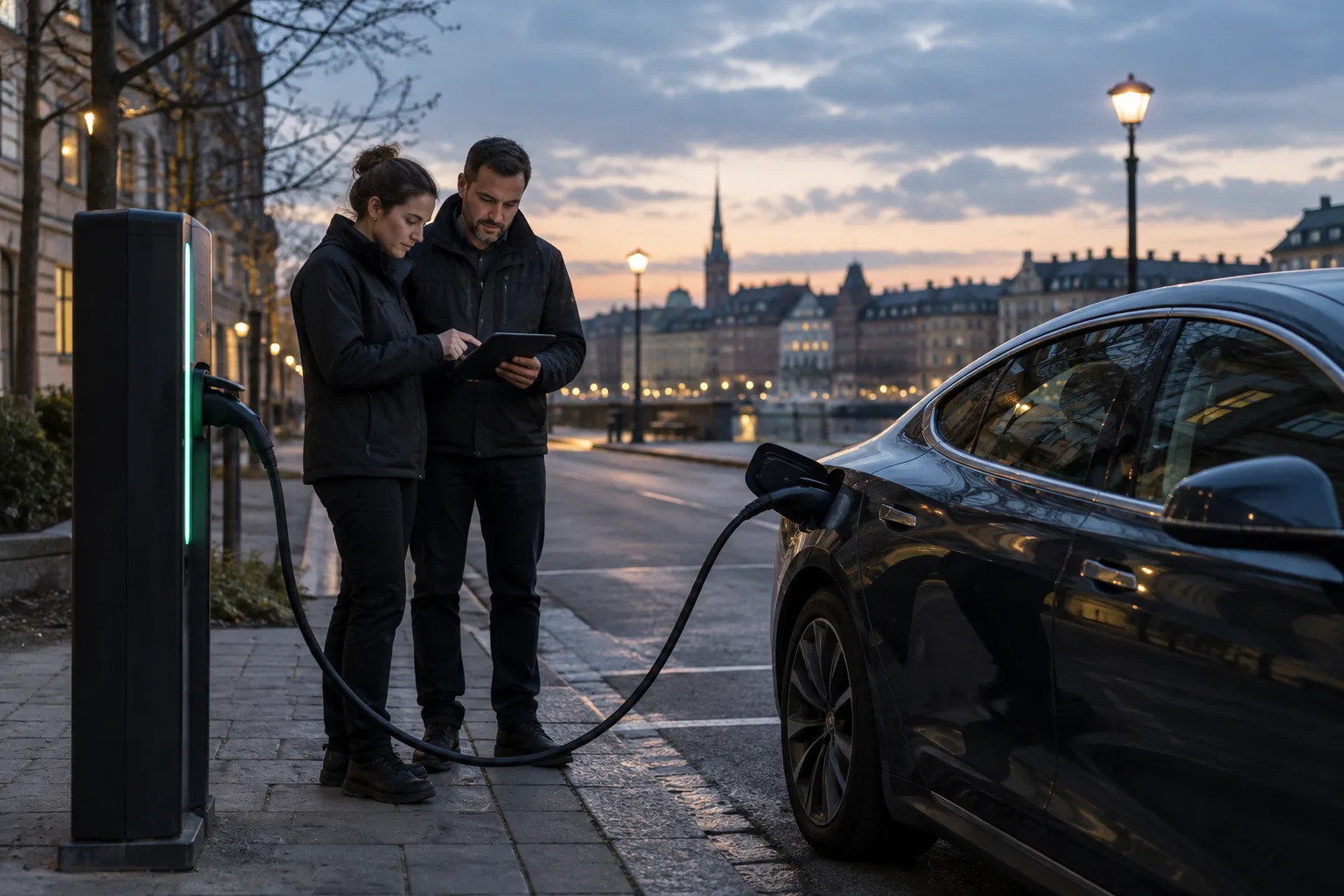
Meanwhile, Maine’s ambitious target of 219,000 light-duty EVs by 2030 is set to reshape visitor flows. The deployment of charging stations will increasingly influence trip-planning algorithms, redirecting travelers toward businesses that co-locate charging infrastructure—a boon for local economies willing to adapt.
Strategic Imperatives for a New Era of Outdoor Recreation
For technology vendors, the mandate is clear: prioritize modular, API-driven platforms that integrate reservations, payments, and real-time congestion data, anticipating eventual federal interoperability standards. Hospitality and retail operators should experiment with micro-concessions—mobile cafés, gear-rental vans—that flex with demand and sidestep fixed-capacity bottlenecks. Policymakers and park administrators may soon pilot blockchain-secured ticketing to combat secondary-market scalping, while sharing anonymized real-time data with navigation and hotel platforms to smooth peak loads.
Investors, meanwhile, would do well to monitor the “smart park” procurement cycle. Contracts in this space are long-dated, carry quasi-sovereign risk profiles, and offer attractive yield stability. The outdoor recreation tech sector is ripe for roll-up strategies, merging navigation apps, gear rental platforms, and campsite marketplaces to achieve both synergy and data network effects.
A seemingly anecdotal visitor account, then, becomes a lens onto the urgent strategic reality facing high-value public destinations. These living laboratories, including Acadia, are at the vanguard of digital capacity management, climate-adaptive infrastructure, and innovative revenue architectures. Stakeholders who integrate advanced analytics, frictionless user experience, and sustainable design will not only elevate visitor satisfaction—they will define the resilient economic models underpinning the future of outdoor recreation.

 By
By



 By
By

 By
By
 By
By