


The Rise of Child-Free Disney Cruising: A New Wave in Leisure Demand
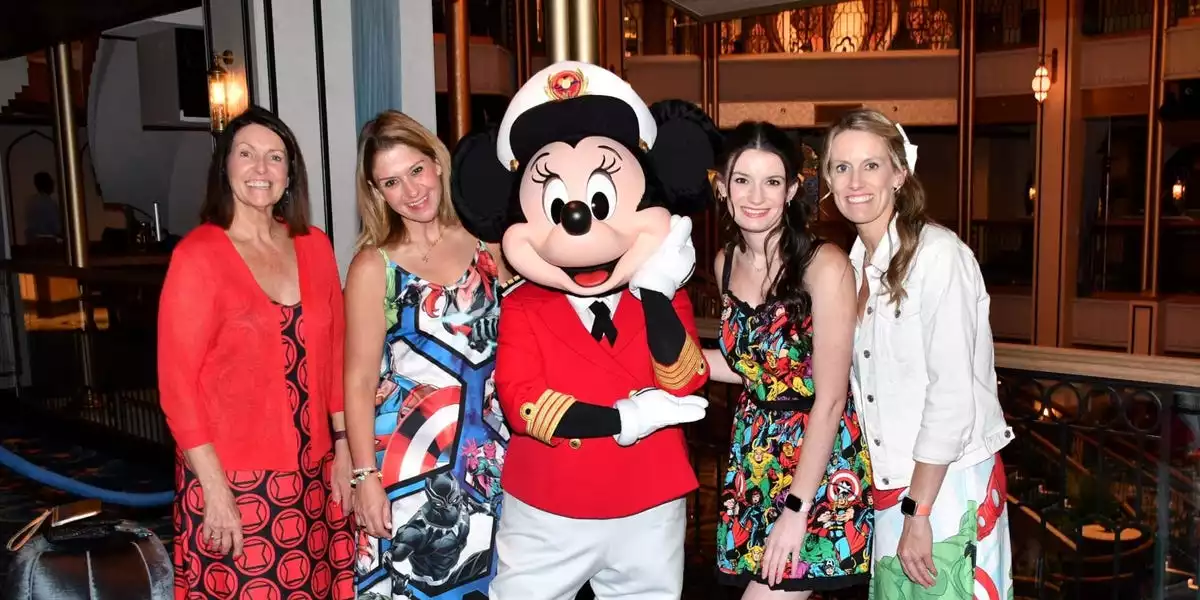
A quiet revolution is underway on the high seas, and it’s not the stuff of fairy tales. Groups of mothers—sans children, sans spouses—are repeatedly booking Disney Cruise Line (DCL) voyages, transforming what was once a quintessential family experience into a coveted adult retreat. This emerging trend, while anecdotal at first glance, signals a tectonic shift in the leisure industry, with implications that ripple far beyond the decks of Disney’s fleet.
Redefining the “Family” Brand: Disney’s Expanding Audience
For decades, Disney’s cruise strategy has been anchored in multigenerational appeal, weaving together the nostalgia of childhood with the promise of family togetherness. Yet the surge in bookings by adult-only friend groups reveals a recalibration of what “family” means in the context of luxury travel. Disney’s intellectual property—once the exclusive domain of children and parents—now resonates powerfully with adults seeking connection, escapism, and a touch of magic untethered from parental duties.
This demographic re-segmentation does more than broaden the addressable market; it fortifies Disney’s pricing power. By transcending lifestage boundaries, the brand preserves its premium positioning while inviting new cohorts into its orbit. The result is a more resilient, diversified customer base—one that is less vulnerable to the seasonality and volatility of traditional family travel patterns.
Asset-Heavy Experiences and the Wellness Pivot
Disney’s cruise ships are not merely vessels; they are floating embodiments of its most lucrative franchises. Each new hull—Destiny, Wish, Treasure—extends the monetization runway for intellectual property, transforming beloved characters and stories into immersive, high-spend environments. Compared to theme parks, cruises offer longer dwell times and higher per-guest revenue, all while sidestepping the physical constraints of fixed-site attractions.
But what truly distinguishes the current wave of adult cruisers is their appetite for wellness-oriented experiences. Spa treatments, fitness classes, and themed fun runs are eclipsing the traditional allure of alcohol-fueled nightlife. This mirrors a broader global trend: wellness tourism is projected to grow at a robust 12% CAGR through 2027, according to the Global Wellness Institute. For cruise operators, this shift is both a hedge against reputational risk and a lucrative upsell vector, opening new streams of ancillary revenue.
- Key Wellness Offerings Gaining Traction:
– Group fitness classes and sunrise yoga
– Curated spa packages and wellness seminars
– Alcohol-moderate social events and mocktail tastings
Digital Community: The New Engine of Engagement
The digital dimension of cruise planning has become as vital as the voyage itself. Social coordination platforms—group chats, collaborative outfit planning apps, and shared photo albums—are deepening engagement and serving as informal marketing engines. These persistent micro-communities not only amplify anticipation but also extend the vacation “halo” long after disembarkation.
Cruise lines are taking note. The next frontier lies in formalizing these behaviors through proprietary in-app workspaces, AI-driven outfit recommendations, and tokenized loyalty rewards. The longer the digital runway before embarkation, the lower the customer acquisition cost and the higher the attachment rate for lucrative excursions and merchandise.
- Emerging Digital Features:
– Synchronized itinerary planning for groups
– Shared payment wallets for seamless expense management
– Real-time wardrobe and packing suggestions powered by AI
Navigating Opportunity and Risk in Premium Leisure
Despite macroeconomic headwinds—rising interest rates, persistent inflation—forward bookings for premium cruises remain robust. For many affluent, dual-income households, “friendship maintenance” travel is no longer a luxury but a form of mental-health investment. Disney’s ability to sustain load factors above 100% of double-occupancy in peak seasons, while preserving yield, is testament to the durable appeal of its evolving cruise product.
Yet, risks loom on the horizon. Over-reliance on franchise theming could induce guest fatigue, while rising fuel and labor costs threaten to compress margins. Regulatory scrutiny around wellness claims is intensifying, demanding greater transparency and compliance from operators.
For travel-tech vendors and consumer brands, the implications are equally profound. APIs that enable group itinerary planning and shared payments are poised to become high-margin SaaS opportunities. Themed attire trends, meanwhile, create downstream demand for limited-edition apparel and accessories, underscoring the importance of agile supply chains and savvy licensing agreements.
As adult-centric, IP-themed cruising matures into a distinct profit pool, the winners will be those who orchestrate a seamless digital-to-physical continuum, layer on wellness upsells, and nurture the micro-communities that transform a simple vacation into a lasting, shared narrative. In this new era, the magic of Disney is less about who you bring, and more about who you become while you’re there.

 By
By
 By
By
 By
By
 By
By

 By
By
 By
By







