


Micro-Innovation and Margin Mastery: The New Playbook in Wearable Tech
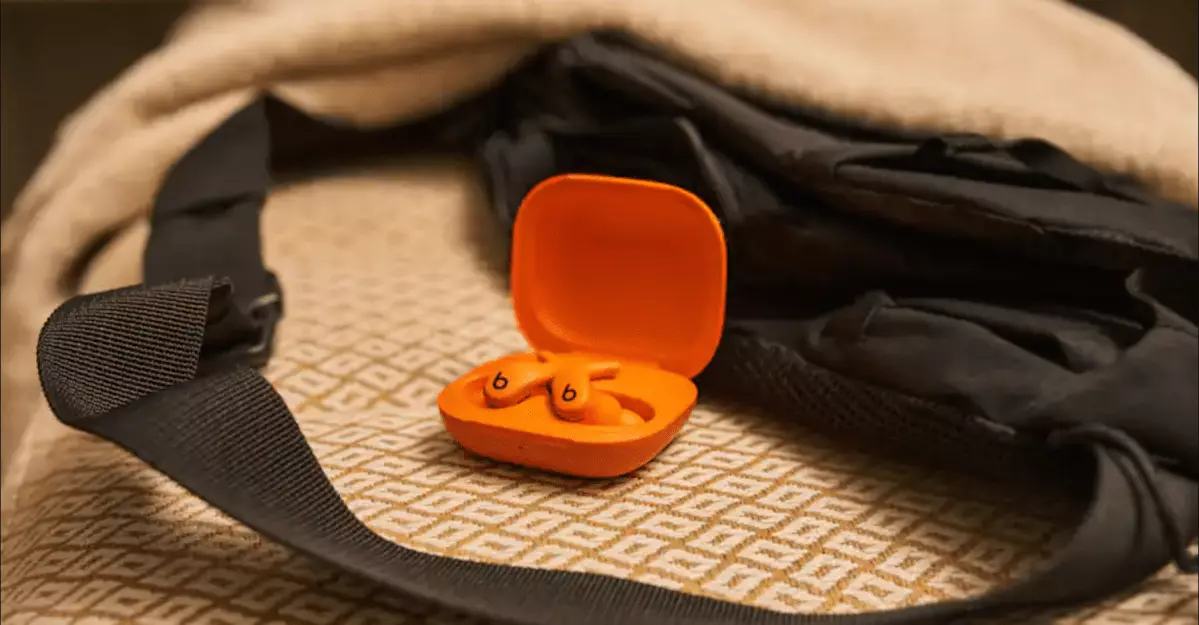
The holiday season’s parade of promotions across wearables and accessories—headlined by Beats’ Powerbeats Fit, Google’s Pixel Watch 4, Apple’s Pencil Pro, and Otterbox’s 30W GaN chargers—offers a revealing glimpse into the evolving calculus of consumer electronics. On the surface, these discounts might seem like mere seasonal enticements. Beneath, however, they signal a confluence of strategic recalibrations: a maturing fitness-tech market still hungry for growth, a deliberate clearing of inventory ahead of anticipated 2026 launches, and a subtle but significant shift toward cross-platform openness. Each move is a chess piece in a game shaped by price sensitivity, regulatory scrutiny, and the inexorable rise of sustainability mandates.
The Era of Incremental Hardware and Inclusive Ecosystems
Gone are the days when hardware launches were defined by seismic leaps in silicon. Today, the Powerbeats Fit’s 20% more flexible wing tip typifies a new era of micro-innovation: ergonomic refinements and material advances that enhance comfort without upending the underlying tech. Beats’ decision to retain Apple’s H1 chip—a proven, fully amortized workhorse—preserves core features like active noise cancellation and hands-free Siri, while deftly sidestepping the margin pressures of newer silicon.
This philosophy extends across the category. Google’s Pixel Watch 4, with its user-replaceable batteries and screens, embodies a growing commitment to device longevity and repairability. These are not mere nods to consumer preference; they are direct responses to mounting regulatory demands, from the EU’s Digital Markets Act to Right-to-Repair legislation. Meanwhile, Otterbox’s discounted GaN-based chargers underscore the mainstreaming of USB-C PD as the universal power standard—premium electrical specs, now at single-digit price points.
Apple’s Pencil Pro, too, signals a strategic shift. By seeding a broader install base ahead of next-generation OLED iPads and the anticipated arrival of AI-enabled creative tools, Apple is positioning the iPad as a legitimate light-workstation. The stylus, once a niche accessory, becomes a productivity linchpin—an entry point for both creative professionals and the AI-curious.
Price Elasticity, Channel Dynamics, and the War for Ecosystem Loyalty
The economics behind these promotions are as nuanced as the technology itself. Sub-$200 earbuds and sub-$300 smartwatches are not arbitrary price points; they are psychological cliffs that expand the total addressable market without eroding flagship cachet. Coordinated markdowns across Amazon, Best Buy, and other major retailers reflect a synchronized effort to clear pipelines before the Q1-2026 earnings cycle, a move validated by IDC’s data on channel inventory overhang.
Beneath these tactics lies a broader strategy of silicon lifecycle maximization. By continuing to ship legacy chips like Apple’s H1 or Google’s Exynos-based platforms, companies extract maximum value from fully amortized R&D investments, boosting gross margins even as average selling prices dip. It’s a delicate dance: defend the mid-tier with incremental upgrades, preserve the premium halo for next-gen flagships.
Yet the real battleground is ecosystem loyalty. Accessories such as earbuds, smartwatches, and styluses are Trojan horses for recurring-revenue services—cloud storage, fitness subscriptions, creative suites. While Apple and Google continue to anchor users within their respective walled gardens, the growing emphasis on cross-platform compatibility hints at a new paradigm: an “inclusive walled garden,” broad enough to entice switchers, yet curated enough to monetize engagement.
Sustainability, AI Readiness, and the Road to 2026
Sustainability is no longer a differentiator—it is fast becoming a baseline. Replaceable batteries, modular designs, and repair-friendly architectures are migrating from “nice-to-have” to regulatory imperative, especially with the EU Battery Regulation on the horizon. Early movers stand to gain not just compliance, but brand equity in a market where environmental stewardship is increasingly non-negotiable.
Looking ahead, the 2026 refresh cycle looms large. AI-native wearables, powered by on-device large language models, promise a new era of proactive coaching, sketch-to-design workflows, and hyper-personalized experiences. The groundwork is being laid now: today’s accessories are the sensors and data pipelines that will feed tomorrow’s AI engines.
At the same time, supply-chain resilience is being stress-tested. Second-tier silicon strategies free up cutting-edge node capacity for future flagships but introduce risks of component obsolescence. Dual-sourcing and die-shrinking at mature nodes are emerging as essential hedges in an increasingly volatile landscape.
For executives, the message is clear. Synchronize accessory roadmaps with service monetization, AI readiness, and supply-chain agility. Invest in real-time sell-through analytics and dynamic discounting. And above all, recognize that the battle for the consumer is no longer fought on hardware alone, but at the intersection of ecosystem, experience, and enduring value.
In this shifting terrain, those who master the art of micro-innovation, margin defense, and ecosystem orchestration will define the next chapter of consumer technology—one holiday promotion at a time.

 By
By
 By
By

 By
By
 By
By


 By
By







