
A single caregiver’s reality, and the quiet recalibration of the modern workforce
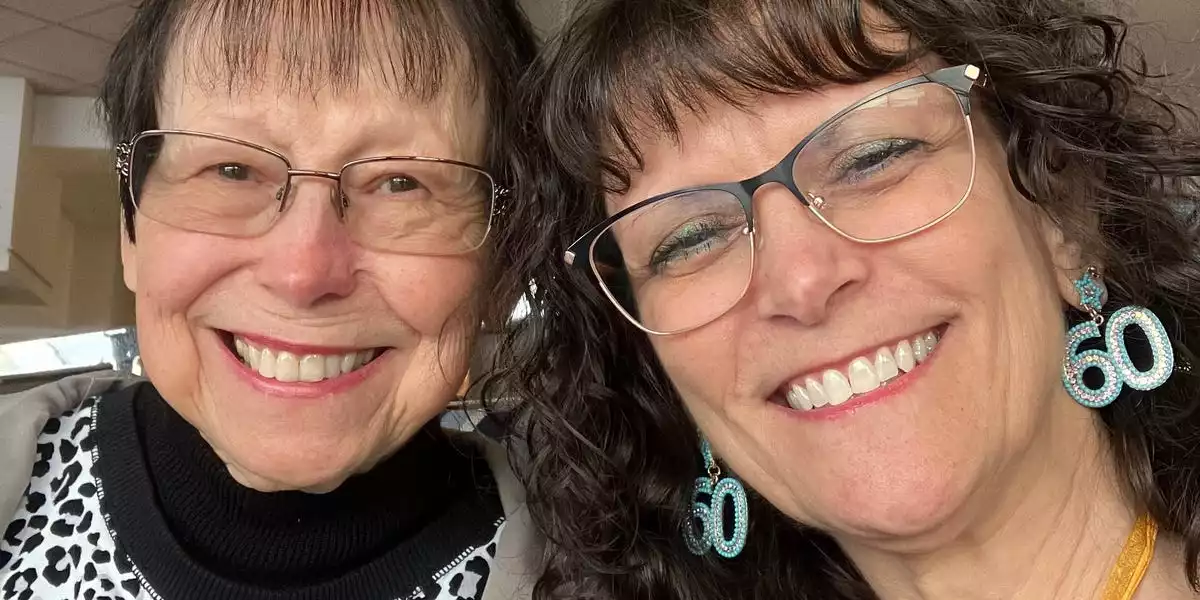
Carla Romagnano’s situation reads less like an isolated human-interest vignette and more like a case study in how aging demographics are reshaping labor, benefits, and technology adoption. A bookkeeper with roughly 45 years of tenure at a local grocery business, Romagnano has become the sole caregiver for her 84-year-old mother living with advanced dementia. After a debilitating fall in 2022 and the subsequent death of Romagnano’s father from sepsis—soon after the family home was sold—she chose to honor a promise: keep her mother out of institutional care.
That commitment has translated into a demanding operational routine: full-time work, overnight monitoring from a couch outside her mother’s bedroom, coordination of in-home caregivers, frequent medical appointments, and the emotionally intensive work of companionship and meaningful activity. The detail that stands out is not only the workload, but the systems gap it exposes: when care becomes complex, families often become the default care coordinators, risk managers, and quality controllers—without formal training, pay, or relief.
Romagnano’s reliance on peer support groups underscores another under-discussed dimension: caregiving is not just a logistical burden; it is a sustained cognitive and emotional load. For employers, that load shows up in ways that are easy to misread—fatigue, reduced flexibility, missed shifts, and the kind of “present but depleted” performance that rarely appears in a quarterly report but steadily erodes productivity and retention.
The “sandwich generation” becomes a boardroom variable: retention, risk, and resilience
Across developed economies, aging populations are pushing eldercare into the center of workforce strategy. Romagnano’s profile—mid-to-late career, long-tenured, working in a labor-intensive sector—illustrates why this is becoming a human capital risk rather than a private matter.
For employers, the pressures tend to concentrate in three measurable areas:
- Absenteeism and schedule volatility: medical appointments, caregiver no-shows, and emergencies (especially falls) create unpredictable gaps.
- Presenteeism: employees remain on the job but operate under chronic sleep disruption and stress, reducing accuracy and throughput—particularly consequential in finance, operations, and customer-facing roles.
- Turnover among experienced staff: when caregiving becomes incompatible with rigid schedules, even loyal employees can be forced into early retirement or reduced hours, taking institutional knowledge with them.
This is especially acute in sectors such as grocery retail and other regional service businesses, where wage growth can be modest and pension coverage limited. Replacing long-tenured workers is not simply a recruiting cost; it is a capability loss—process knowledge, vendor relationships, and local customer familiarity that can’t be quickly replicated.
The strategic implication is straightforward: caregiver support is moving from a “nice-to-have” benefit to an operational continuity tool. Organizations that treat eldercare as a predictable workforce dynamic—rather than an exception—are better positioned to stabilize staffing, protect productivity, and retain experienced talent.
Digital health, AI, and the emerging “distributed care” stack
Traditional home-care models are straining under labor shortages, rising costs, and uneven availability. In that context, technology is increasingly framed not as a replacement for human care, but as a way to extend scarce caregiving capacity and reduce the need for constant vigilance.
Several technology categories are converging into what can be described as a distributed care stack:
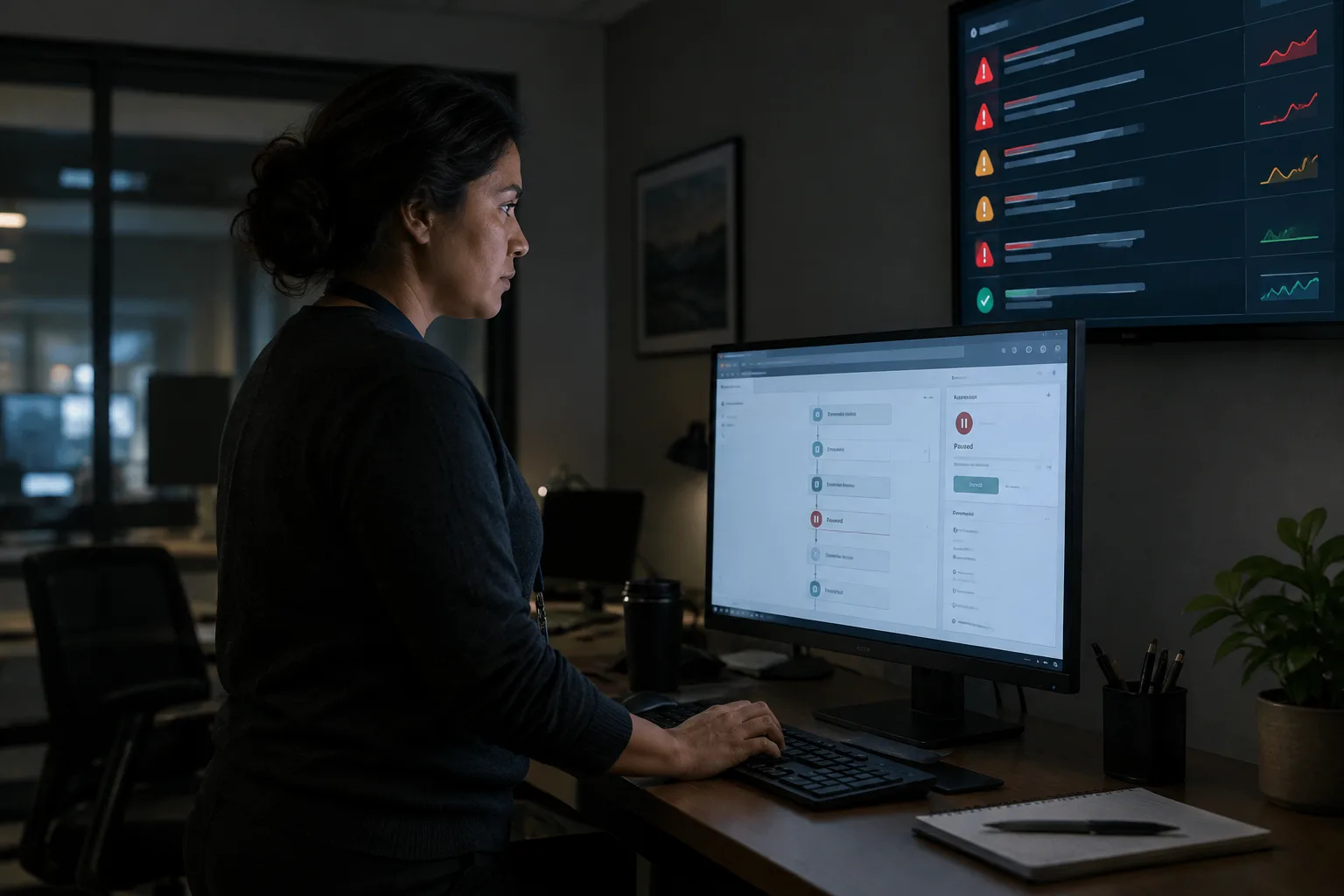
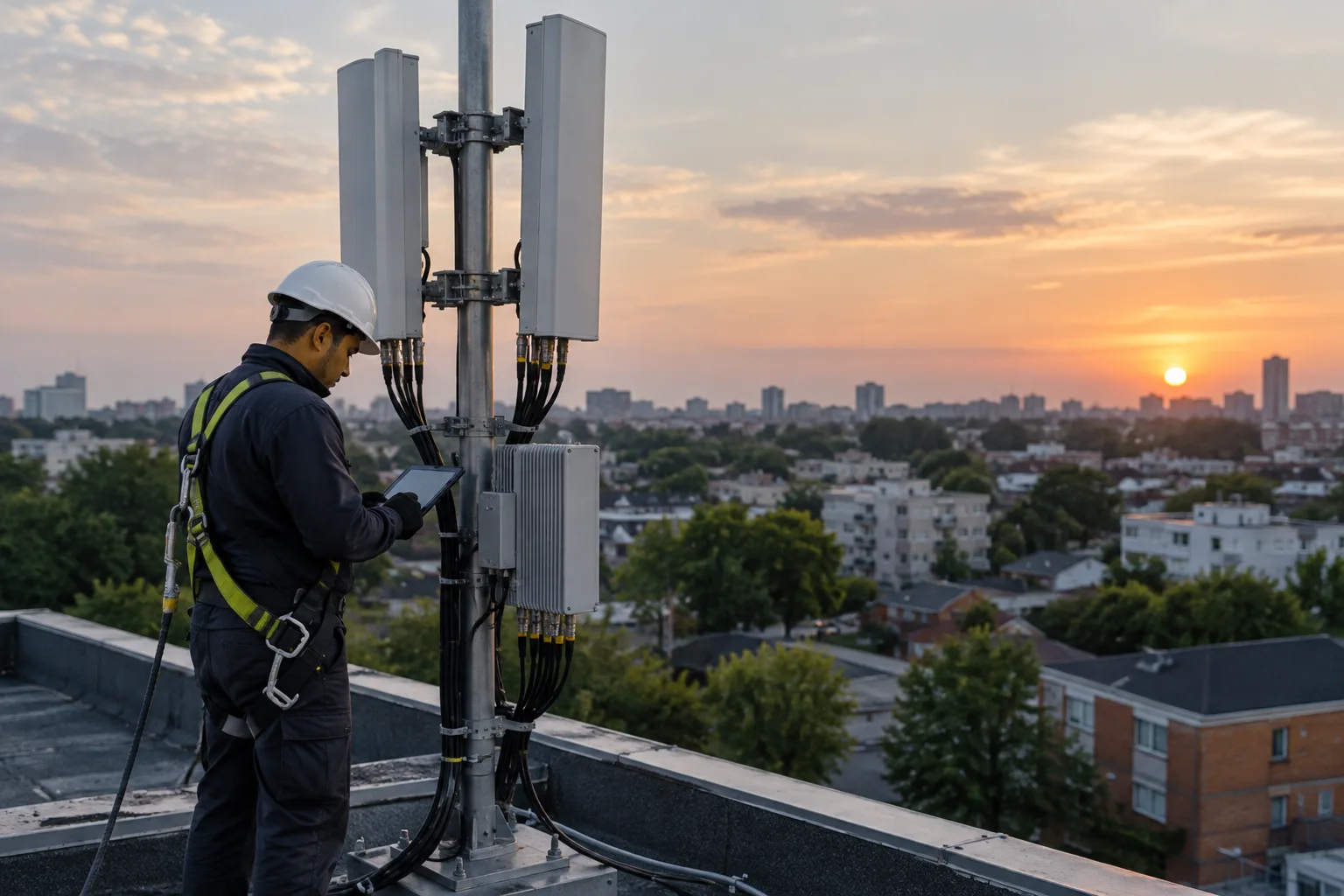
- Remote patient monitoring (RPM) and IoT sensors: motion sensors, bed sensors, and wearables can detect patterns associated with mobility decline or nighttime wandering. With AI analytics, these tools can flag elevated fall risk—potentially preventing the kind of incident that triggered Romagnano’s crisis.
- Telehealth and virtual triage: routine questions, medication clarifications, and follow-up check-ins can be handled without the friction of travel and waiting rooms, reducing time costs for working caregivers.
- Care coordination platforms (“caregiving-as-a-service”): scheduling, documentation, and communication tools can reduce the administrative burden that often falls on family members.
- Generative AI for dementia support: early applications include personalized reminiscence prompts, structured conversation aids, and memory-care activities tailored to an individual’s history—augmenting human interaction rather than substituting for it.
Yet the adoption curve will depend on trust, usability, and governance. Dementia care is a high-stakes environment: false alarms can create burnout, while missed signals can lead to injury. For AI-enabled care tools, credibility will be shaped by clinical validation, transparent data practices, and integration into real workflows—not just app-store availability.
The business of aging: benefits redesign, new partnerships, and policy tailwinds
The economic backdrop is hard to ignore. The U.S. home-healthcare market is forecast to exceed $200 billion by 2030, and that growth is not only about medical need—it reflects a societal preference for aging in place, combined with constrained institutional capacity. For business and technology leaders, the opportunity is paired with responsibility: the same forces creating market expansion are also creating workforce fragility.
Three strategic moves are emerging as pragmatic responses:
- Reimagine total rewards for an aging workforce reality: beyond health insurance, employers are increasingly evaluating caregiver stipends, flexible scheduling, backup care access, and virtual respite services. These benefits can reduce turnover risk while signaling that caregiving is recognized as a legitimate life-stage demand.
- Build integrated care ecosystems through partnerships: grocery chains and other regional employers could explore white-label collaborations with digital-care networks—supporting employees while also offering value-added services to aging customers in their communities.
- Use data ethically to anticipate care-driven disruption: anonymized, aggregated analysis of caregiving-related absenteeism and scheduling strain can help identify hotspots and design targeted interventions. Predictive analytics can forecast spikes in care demand, but must be governed carefully to avoid discrimination or privacy violations.
Policy is likely to shape the next phase. As uncompensated caregiving dampens workforce participation and consumer spending—creating downstream effects on GDP and tax revenues—governments may expand tax credits, subsidies, and community-based programs. That, in turn, will influence which digital health and AI caregiving solutions scale, and how quickly.
Romagnano’s experience captures the defining tension of the moment: eldercare is increasingly home-based and family-led, yet the complexity of modern care demands professional-grade coordination, technology support, and employer adaptation. The organizations that respond with practical benefits, credible digital partnerships, and humane flexibility won’t just protect productivity—they’ll help build the infrastructure of aging in place that the economy is rapidly coming to depend on.

 By
By
 By
By
 By
By

 By
By


 By
By