
A second-term AI acceleration agenda meets a hardening public trust deficit
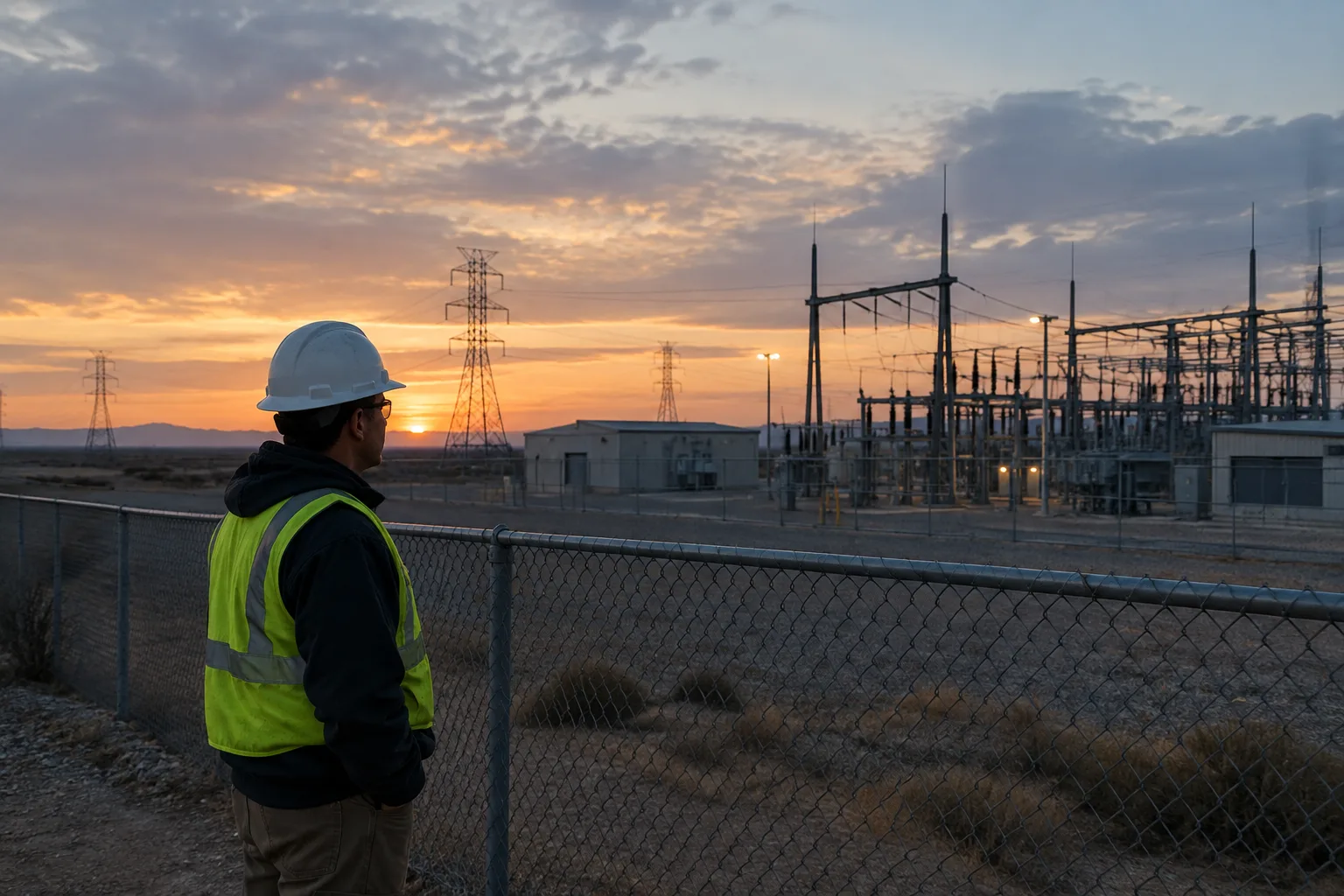
President Trump’s stated intention to fast-track “AI innovation”—including direct collaboration with prominent industry leaders such as OpenAI CEO Sam Altman—signals a White House posture that treats artificial intelligence as both an economic engine and a strategic asset. The policy emphasis is not subtle: the administration’s rhetoric frames AI as a national competitiveness imperative, and it pairs that ambition with a willingness to retool foundational infrastructure, notably the U.S. power grid, to support the next generation of compute-intensive workloads.
Yet the political optics are tightening. A recent Upswing Research–Guardrails Action poll in New York’s 12th Congressional District—an affluent, media-saturated, civically active slice of Manhattan, Brooklyn, Queens, and the Bronx—suggests that the public is increasingly skeptical of the proximity between elected power and AI capital. The toplines are stark: 79% of respondents view Trump’s tech-industry ties as a risk to democracy, 81% fear data misappropriation by AI firms, and 71% oppose AI-enabled citizen surveillance.
For business leaders and policymakers, the message is less about one district’s partisan leanings and more about a broader pattern: AI’s legitimacy is becoming a governance question, not merely a product question. When citizens interpret AI partnerships as political capture—rather than national modernization—the “license to operate” for both government and industry becomes more fragile, and the policy environment can shift from permissive to punitive with surprising speed.
Grid modernization becomes the real-world bottleneck for AI scale
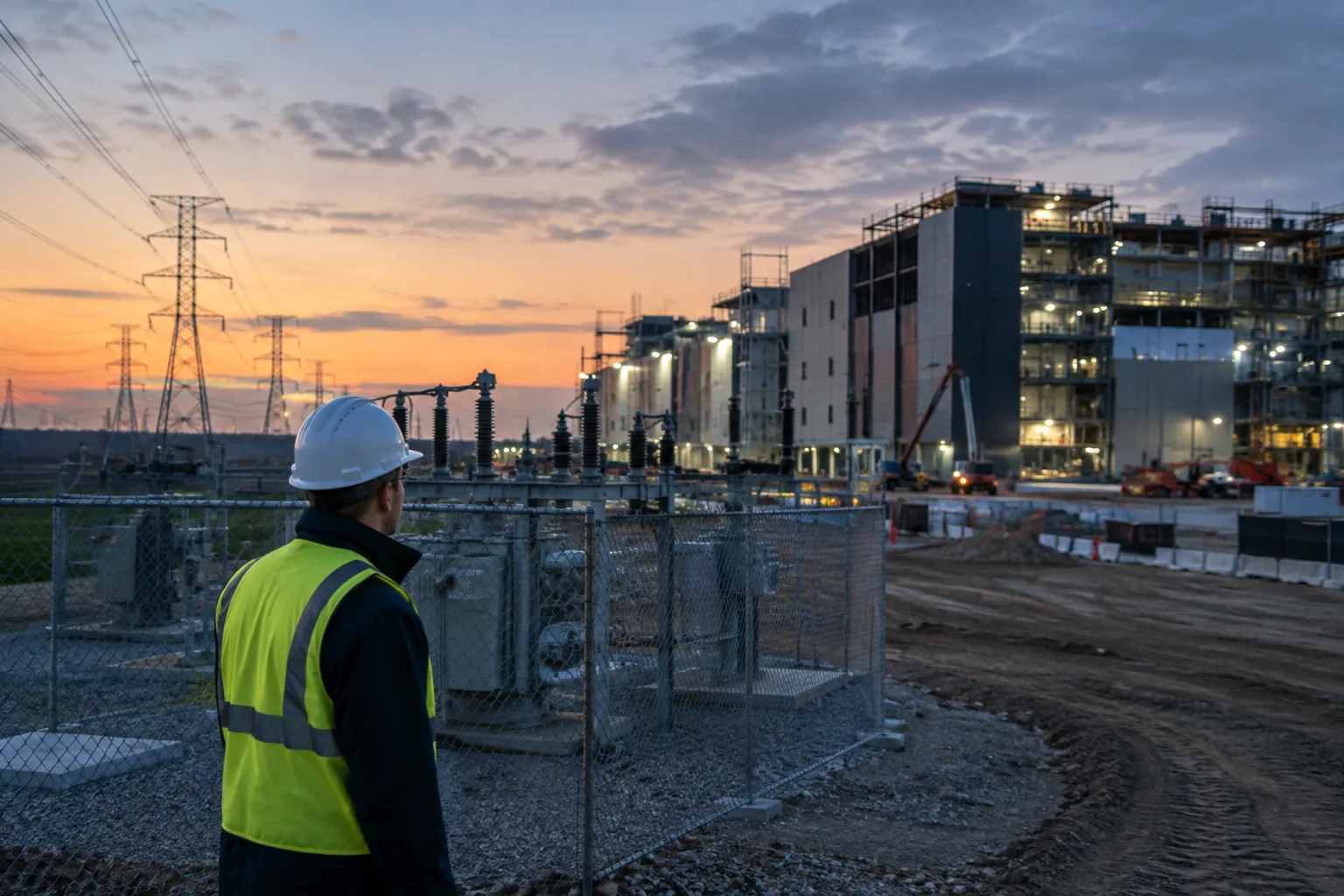
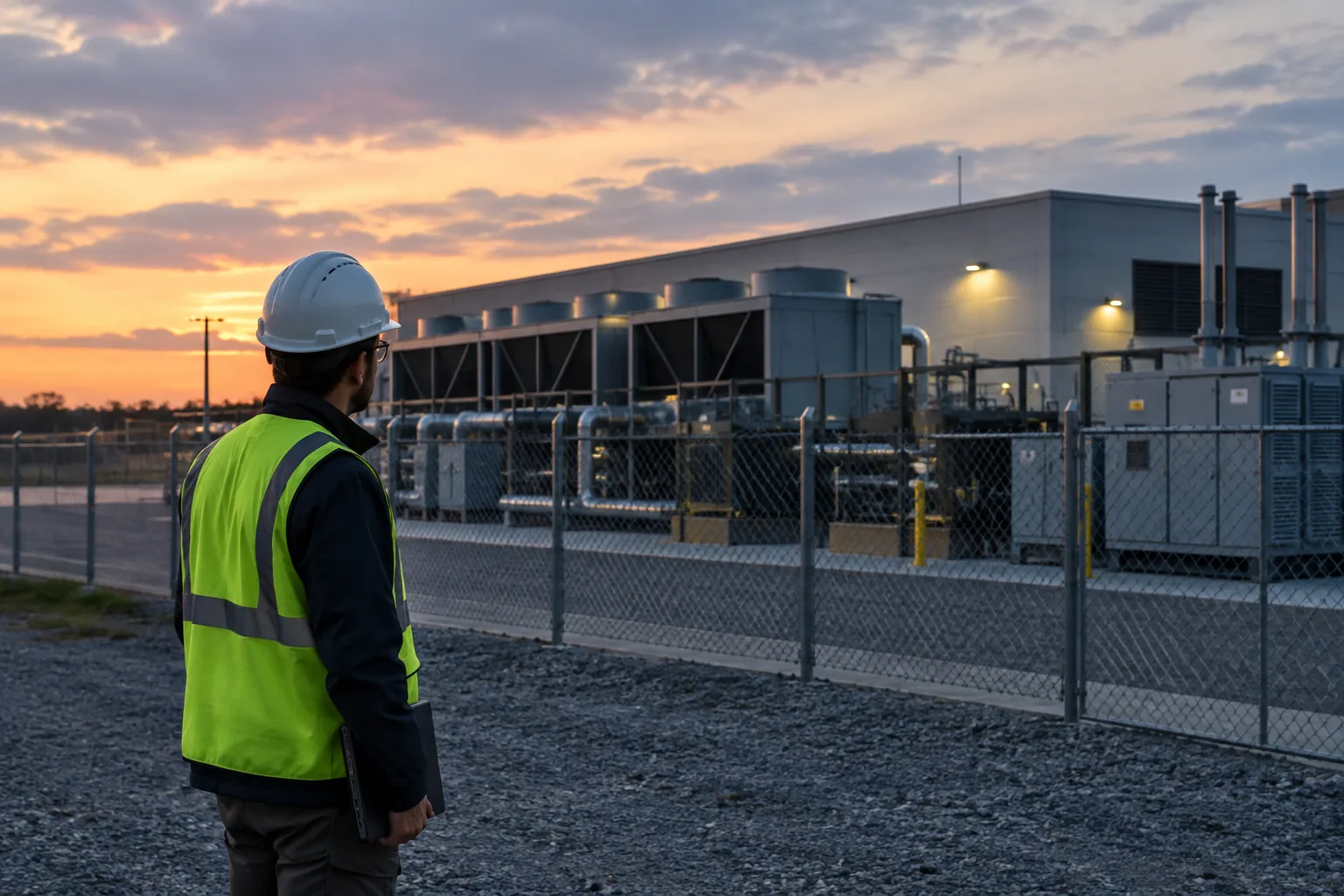
The most consequential element of the agenda may be the least glamorous: electricity. The push to overhaul the national grid reflects a recognition that AI’s next wave—large-scale model training, high-availability inference, and latency-sensitive edge deployments—will stress generation, transmission, and distribution in ways the current system was not designed to absorb. Data centers are no longer just real estate and fiber; they are energy infrastructure.
This is where technology strategy collides with industrial policy. Grid upgrades can function as a force multiplier for domestic AI capacity, but they also create new chokepoints and new political fights:
- Capital intensity and timelines: Substations, transmission lines, interconnection queues, and permitting cycles move slower than software. AI demand curves do not.
- Reliability vs. decarbonization trade-offs: The fastest path to capacity is not always the cleanest. The most politically durable path is rarely the cheapest.
- Strategic supply chains: Control over silicon, semiconductor fabrication, and energy inputs becomes a competitive lever—especially in the context of U.S.–China technology competition. Grid modernization can dovetail with domestic chip fabs and renewable build-outs, but it can also expose vulnerabilities in transformers, advanced power electronics, and critical minerals.
For executives planning new AI facilities, the grid is no longer a background assumption; it is a primary constraint. Site selection increasingly hinges on interconnection certainty, power purchase agreements, local political support, and resilience planning—including backup generation and demand-response capabilities. The companies that treat energy as a core competency, rather than a utility bill, will be better positioned to scale without triggering community backlash or regulatory delays.
Lobbying, surveillance fears, and the emerging bipartisan accountability cycle
The poll’s most strategically important signal may be its bipartisan discontent. Nearly half of respondents also criticize Democratic leadership for accepting millions from AI-focused super PACs ahead of 2026. That detail matters because it suggests the public’s concern is not confined to one party or one personality; it is increasingly about systemic influence—how campaign finance, lobbying, and regulatory access shape AI rules.
Guardrails Action’s warning that excessive AI lobbying could jeopardize electoral integrity taps into a wider anxiety: that AI is arriving alongside a perceived erosion of institutional checks and balances. In that environment, three issues become tightly coupled in the public mind:
- Data governance: Who owns data, who can repurpose it, and what meaningful consent looks like at scale.
- Algorithmic accountability: Whether models can be audited, explained, and challenged—especially in high-stakes domains like employment, housing, credit, healthcare, and public benefits.
- Surveillance boundaries: Whether AI tools expand state or corporate monitoring in ways that chill speech, enable discrimination, or normalize continuous tracking.
This is where reputational risk becomes financial risk. Investor scrutiny is rising around ESG-adjacent liabilities, including cyber exposure and AI-driven surveillance claims. Companies perceived as shaping policy primarily through money and access may face a higher cost of capital, tougher procurement scrutiny, and more aggressive state-level regulation—even if federal policy remains innovation-forward.
What executives and policymakers should watch as AI infrastructure collides with democracy concerns
The near-term economic upside of an AI infrastructure build-out is real: construction booms, utility capex cycles, and a surge in demand for electrical equipment, cooling systems, and skilled trades. But the distribution of costs will determine the politics. Whether grid modernization is funded through rate-base increases, public subsidies, or hybrid models will influence electricity bills, municipal budgets, and voter sentiment—especially in regions asked to host energy-hungry facilities without clear local benefits.
Against that backdrop, several strategic moves stand out as both commercially pragmatic and politically stabilizing:
- Scenario-based regulatory planning: Prepare for a spectrum of AI regimes—from light-touch self-governance to heavy compliance mandates—so investment decisions are resilient to policy whiplash.
- Energy partnerships with credibility: Co-design power solutions with utilities and renewable providers, emphasizing reliability and emissions transparency, to reduce permitting friction and community resistance.
- Externally audited data stewardship: Publish governance frameworks for data sourcing, training, and consent; use third-party audits to convert “trust” from a slogan into evidence.
- Bipartisan engagement without factional branding: Build policy coalitions around shared priorities—workforce development, grid resilience, national security—while avoiding the reputational volatility of appearing captured by any one political camp.
The central tension in this moment is not whether AI will reshape the economy—it will—but whether the institutions guiding that transformation can maintain public consent. Grid upgrades and model breakthroughs may define the next phase of American competitiveness, yet the durability of that advantage will hinge on something more basic: whether citizens believe the AI era is being built with them, rather than around them.

 By
By
 By
By
 By
By


 By
By
 By
By
 By
By