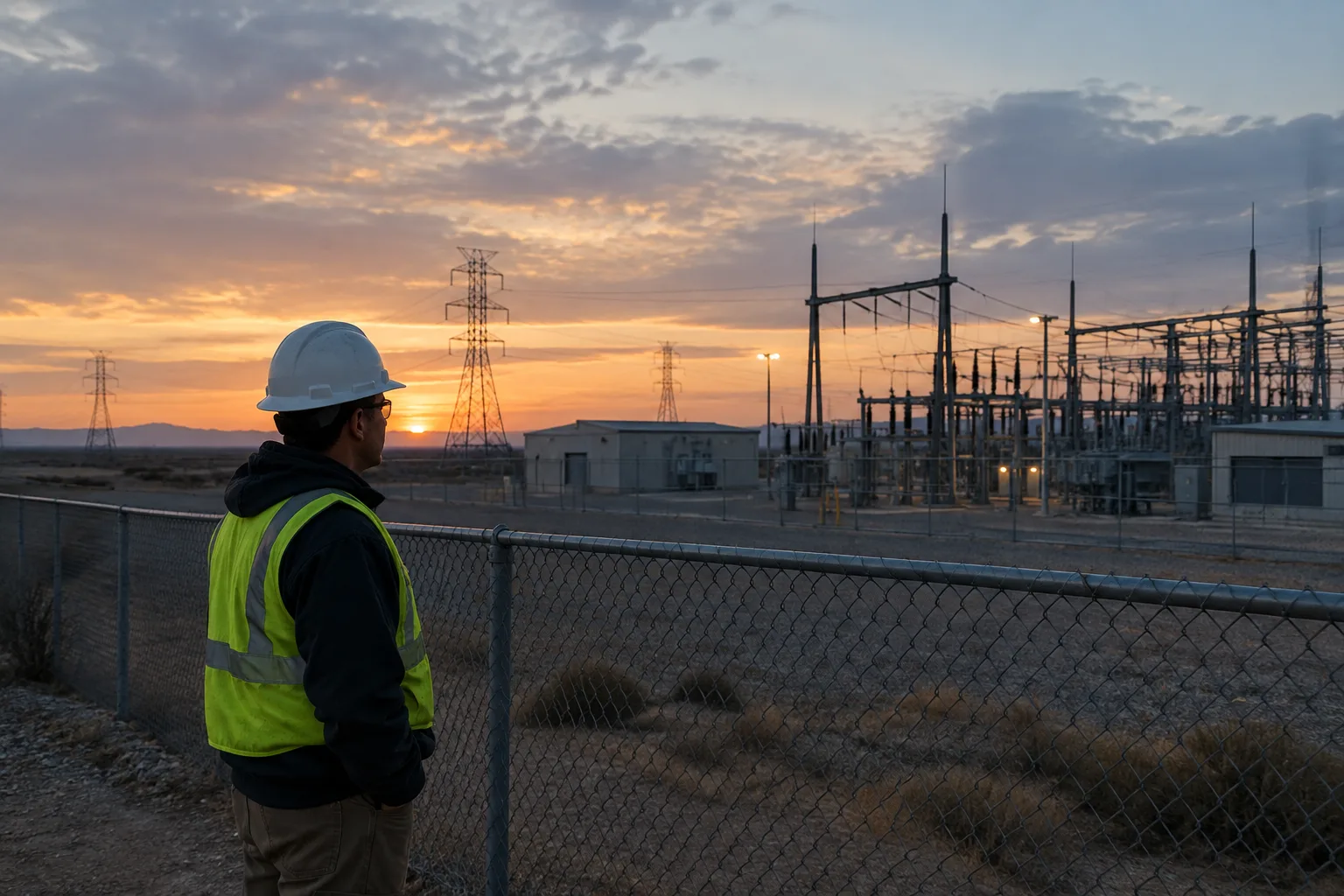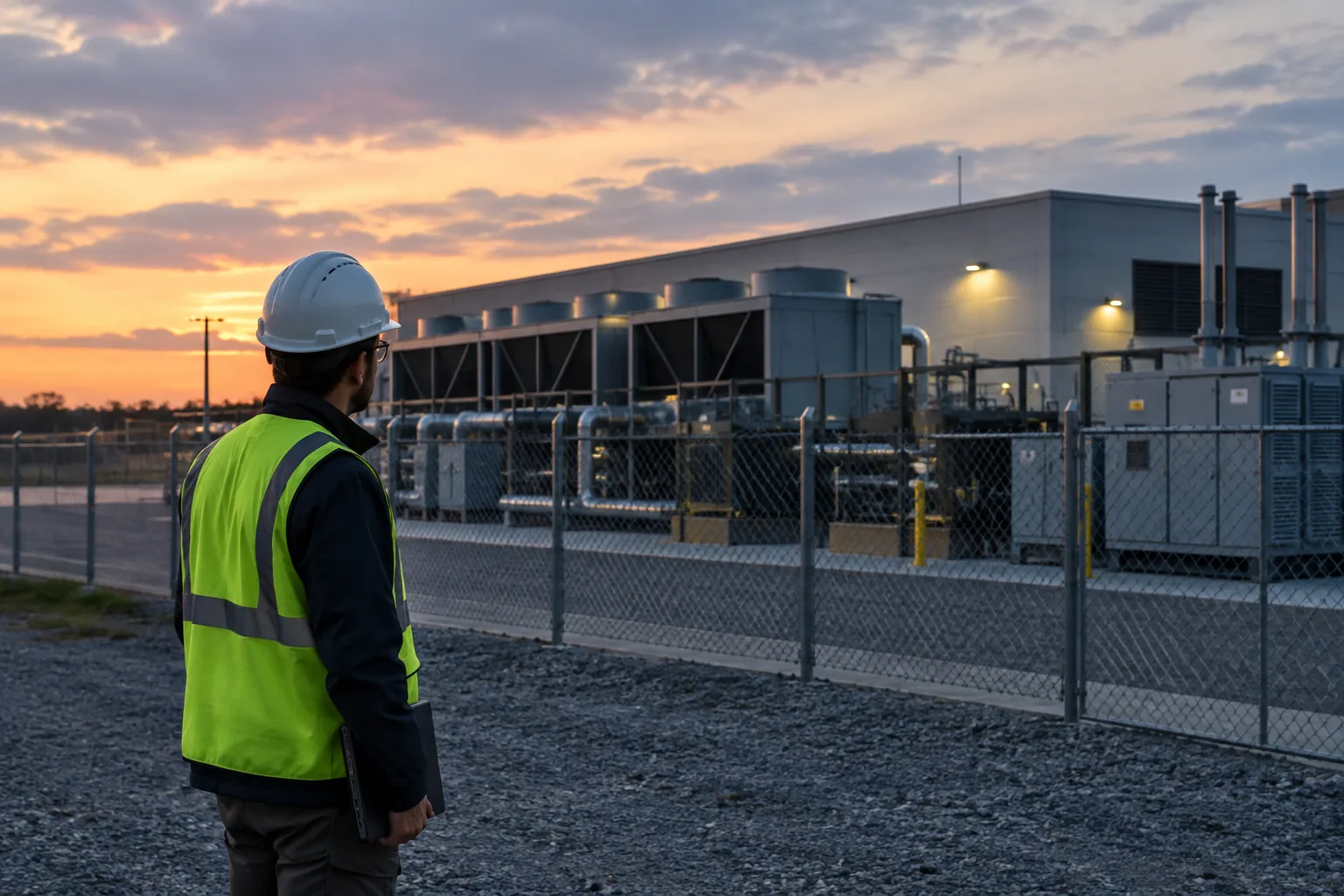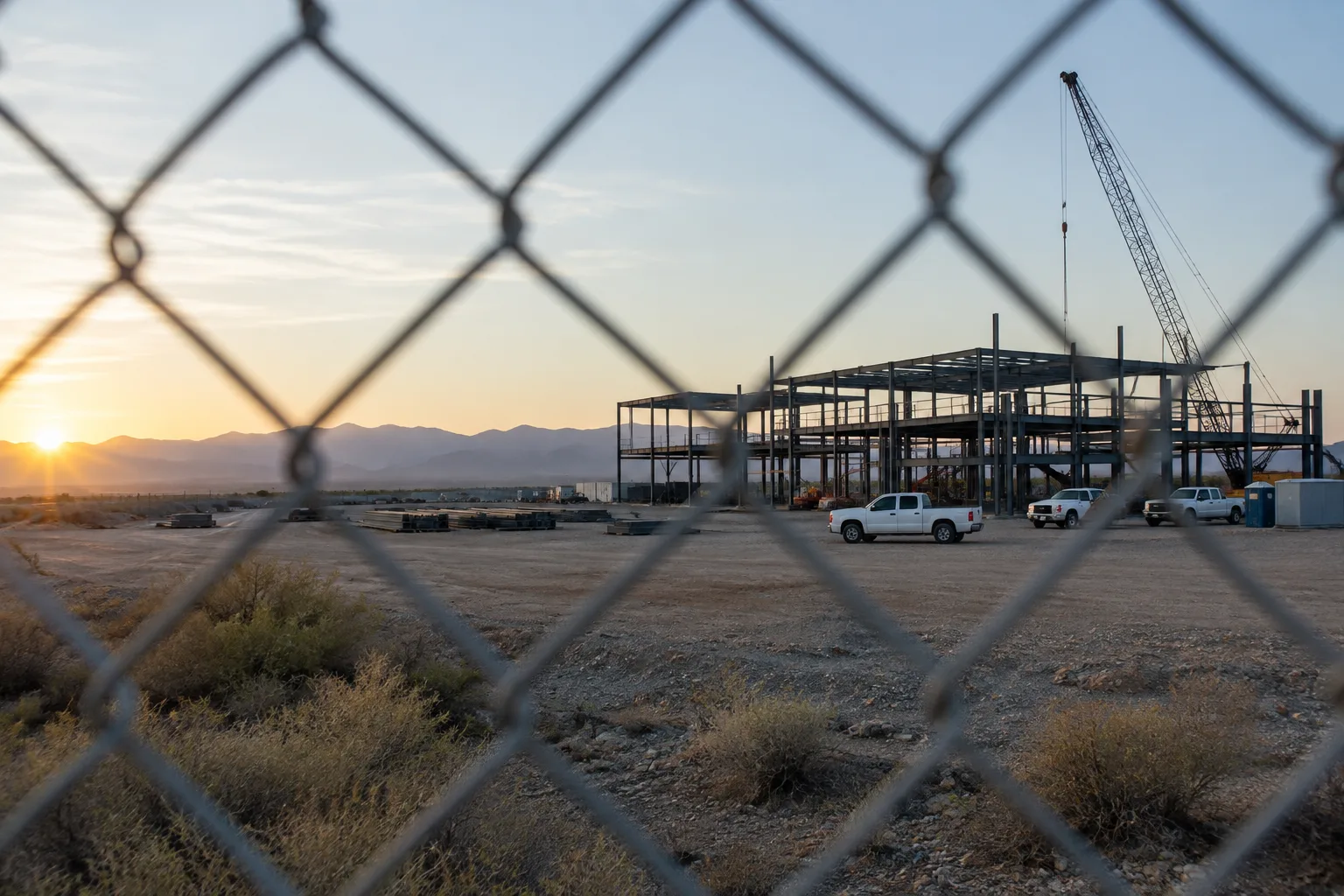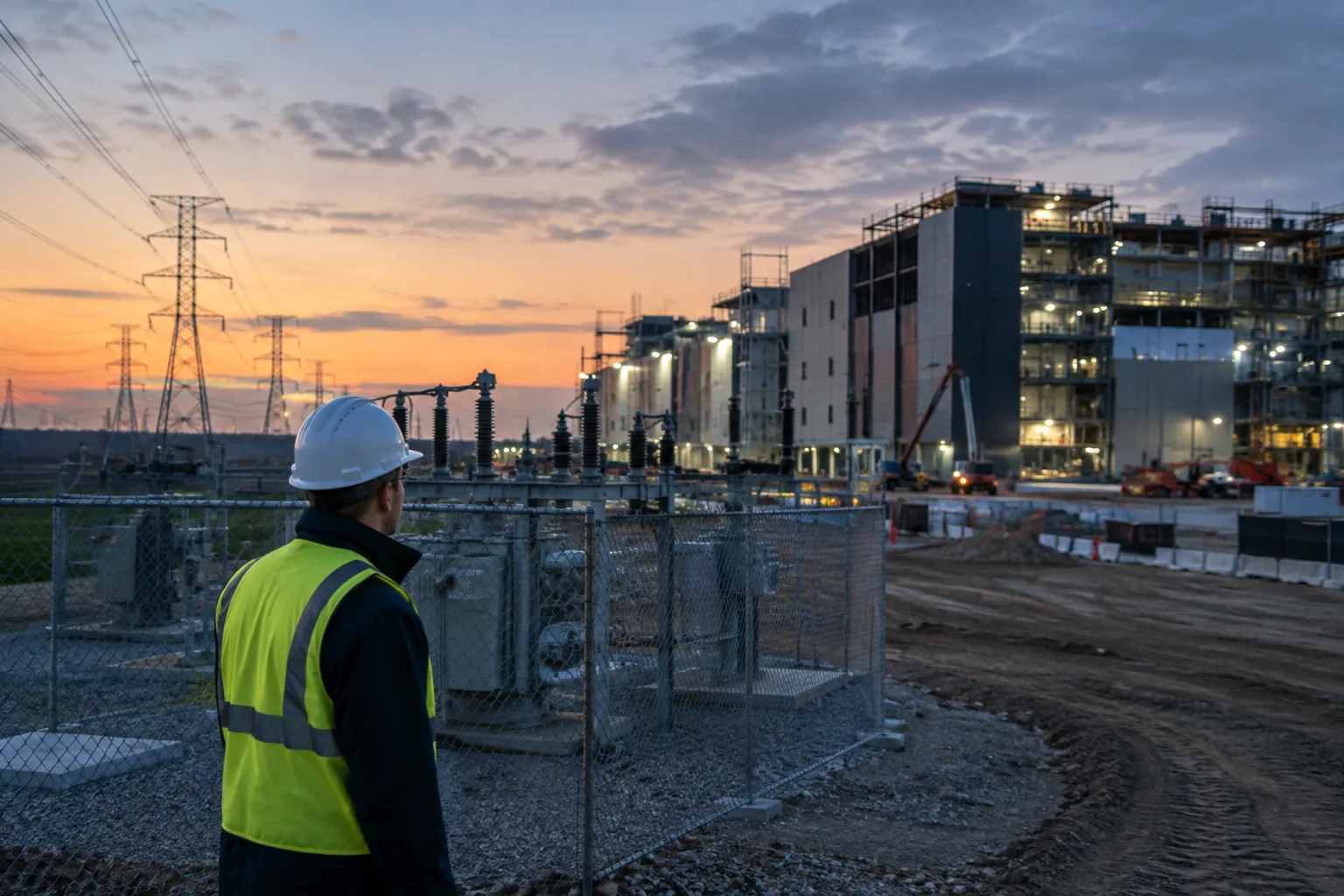

Crusoe has ended its plan to use Boom Supersonic’s Superpower gas turbines at AI data centers, walking away from a launch-customer arrangement once framed as roughly $1.25 billion of equipment and about 1.21 gigawatts of rated capacity. The breakup matters because it does not point, on the public record, to collapsing AI infrastructure demand. It points to something more practical and more important for the market: developers still need large amounts of firm power, but they are willing to change suppliers when a specific power plan no longer fits.
As TechCrunch reported, Boom CEO Blake Scholl said the companies were no longer moving forward with the launch partnership. Crusoe, for its part, said its energy plans had not changed and that turbines remain part of its mix alongside wind, solar, batteries, and the grid; Boom’s turbines are simply not the right fit today. That makes the core reader question easier to answer: this looks less like weaker demand for AI data-center power than a supplier and project reset inside a still-expanding buildout.
What ended, and what didn’t
The arrangement had been significant on paper. In Boom’s December 2025 launch-customer announcement, Crusoe was identified as the first buyer for 29 Superpower turbines, each rated at 42 megawatts, for a total of 1.21 gigawatts. First deliveries had been expected in 2027. Boom also tied the stationary-power push to a $300 million funding round and to its broader effort to commercialize technology shared with the Symphony engine program for its Overture aircraft.
What has changed is the partnership around those units. What has not changed, at least from the available reporting, is Crusoe’s underlying need for energy infrastructure. No supplied source says Crusoe canceled an AI campus, abandoned on-site generation, or pulled back from large-scale data-center construction. In fact, the public descriptions of Crusoe’s projects suggest the opposite: the company’s 1.2-gigawatt Abilene site built for Oracle and OpenAI is described as grid-powered with gas turbines for backup, while a separate 900-megawatt Abilene data center for Microsoft is expected to use on-site gas turbines.
That distinction matters. A terminated turbine deal is not the same thing as a terminated data center. It means the demand for capacity has become separated from the choice of which machine, delivery schedule, financing package, or operating model will supply it.
Why one turbine plan can fail while demand stays strong
AI data centers need power that is not just large in quantity but dependable in operation. The right answer varies by site. Interconnection timing, local permitting, emissions rules, fuel access, equipment lead times, maintenance needs, backup design, and a customer’s load profile can all reshape the economics.
That is why on-site gas turbines keep showing up in AI power discussions without becoming a universal answer. They can help developers avoid waiting on slow grid upgrades and can provide firm capacity close to the load. But they also introduce their own execution burdens: fuel contracts, air permits, maintenance programs, outage planning, emissions compliance, and the financing risk that comes with specialized equipment on aggressive timelines. Wind, solar, batteries, and grid supply can improve resilience or emissions performance, but they do not automatically replace firm thermal capacity unless the system is designed that way.
Crusoe’s public position fits that reality. The company did not say turbines were no longer needed. It said this set of turbines was no longer the right fit. That is a supplier-fit explanation, not a verdict on the broader AI power model.
The gap between megawatt headlines and executable projects
The broken partnership also exposes a recurring blind spot in AI infrastructure coverage: a big megawatt announcement can sound like delivered power long before the hard parts are settled. Rated capacity, announced backlog, and energization are not the same thing.
Boom’s original Crusoe deal offered strong signaling value. A launch customer can validate a new product, help attract capital, and suggest that a new technology is moving from concept to market. For Boom, the stationary-power business was also strategically useful because it could help finance and commercialize technology related to its aerospace ambitions. For Crusoe, the arrangement promised another path to power for fast-growing AI load.
But launch-customer status is not the same as bankable certainty. The public record does not disclose a termination fee, a final purchase price, a replacement supplier, or whether any of the 29 units had been ordered or manufactured. It also does not say why the partnership ended. Schedule, cost, reliability, technical maturity, permitting, emissions, financing, site design, and changing load assumptions all remain possible explanations.
That uncertainty is not a side note; it is the story. The market still has to ask which constraint mattered most. If it was time to energization, other developers will scrutinize delivery promises more aggressively. If it was economics, buyers will compare total cost of ownership against grid power, conventional turbines, and renewable-plus-storage packages. If it was technical or operational fit, new entrants into AI power will face a tougher proof burden than a headline order book suggests.
Boom says it expects to deliver about 250 megawatts of Superpower capacity to other sites in 2027 and is targeting 1 gigawatt in 2028. Those goals keep the business alive as a contender, but the available reporting does not establish that those targets are backed by signed contracts.
What buyers and investors should watch next
For data-center developers, the useful lesson is less about Boom specifically than about procurement discipline. A serious power diligence list now needs to include interconnection milestones, guaranteed delivery dates, fuel and emissions assumptions, heat-rate and maintenance data, black-start and backup plans, battery integration, outage response, and clear rules on who absorbs cost overruns or schedule slips.
For investors and equipment vendors, the message is equally pointed: announced backlog is not the same as durable revenue. AI buildouts can create enormous demand, but that demand will move among suppliers if one path falls behind on permitting, financing, site compatibility, or operations.
And for utilities, regulators, and host communities, the Crusoe-Boom split is a reminder that AI load growth can remain very real even when the power architecture changes midstream. The campuses may still be coming; the wires, turbines, batteries, and permits around them may just look different than first advertised.
The next meaningful signals are straightforward. Does Crusoe identify a replacement turbine strategy for the affected load? Does Boom convert its future delivery targets into visible orders? And do the underlying AI campuses stay on schedule? Those answers will tell the market more than the breakup headline alone.
 By
By
 By
By
 By
By
 By
By
 By
By

 By
By