
The FBI has seized internet domains associated with NightmareStresser, a long-running DDoS-for-hire service, in a court-authorized action the Justice Department linked to Operation PowerOFF. The Sept. 15 announcement matters because it targets a business model that turns disruption into a cheap rental: customers pay a service to flood a target with traffic using networks of compromised devices.
For most readers, the practical question is not whether this is good news. It is whether a domain seizure materially lowers DDoS risk or mostly pushes buyers and operators to the next storefront. The short answer is that it can do real damage to one service’s operations, but it is not the same thing as dismantling the broader attack market. That leaves businesses with two jobs at once: watch what law enforcement disrupts, and keep treating availability as an engineering problem they still own.
What the seizure interrupts
In its announcement, the Justice Department said the FBI’s Anchorage Field Office worked with the Royal Canadian Mounted Police’s Federal Policing Northwest Region to seize domains tied to NightmareStresser. The department described the service as one of the world’s longest-running DDoS-for-hire operations and said paying customers used it to attack victims in the District of Alaska, elsewhere in the U.S., and worldwide.
A seizure-warrant affidavit cited by DOJ says NightmareStresser was used for hundreds of thousands of actual or attempted DDoS attacks since 2022. That is a large number, but it is not a claim that every attack succeeded or that the current operation measured the service’s full present-day capacity. What it does show is the scale a mature booter service can reach when it makes attack traffic easy to buy.
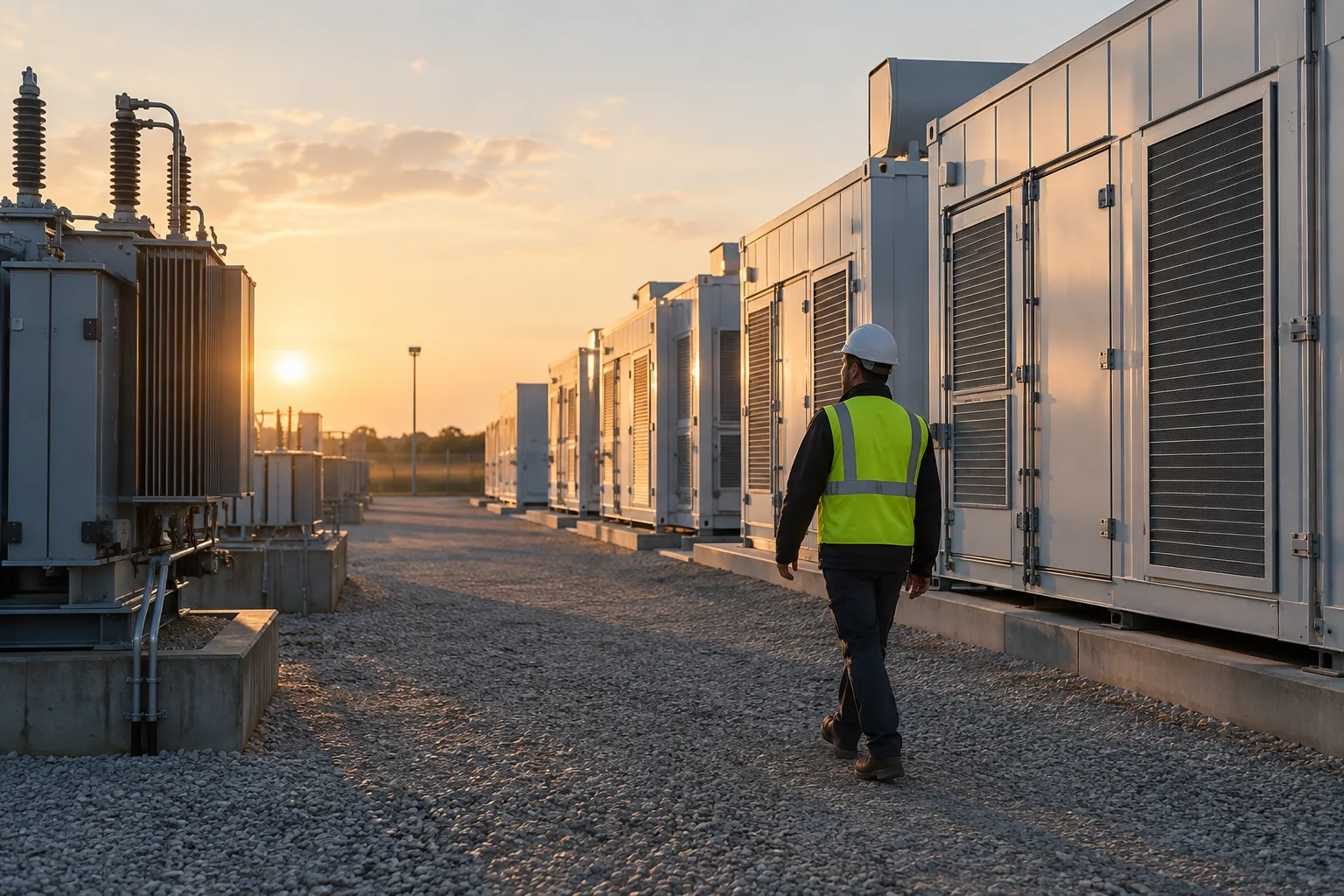
That ease matters. Booter and stresser services sell access to already-compromised computers, routers and IoT devices. Customers do not need to build a botnet; they rent one. Payments can move through online processors or virtual currency, and attribution can be obscured. The FBI says such services have no legitimate use.
Seizing domains can interrupt several parts of that business at once. It can remove the storefront where customers find the service, create accounts, place orders and make payments. Depending on how the operators wired their infrastructure, it can also interfere with support channels, customer trust and some command functions. Even when it does not eliminate the underlying botnet, it can generate intelligence and force operators to rebuild pieces of their operation under pressure.
That is why the seizure is more than symbolic. It raises the cost of doing business for one provider and can deter casual customers who were looking for an easy, low-friction way to knock something offline.
Why this does not end the market
The same DOJ release is also notable for what it does not say. It does not announce arrests, identify suspects, say how many domains or servers were seized, or claim the underlying botnet was dismantled. It does not disclose whether investigators obtained credentials, payment records, customer lists or command infrastructure. It also offers no before-and-after measure of attack volume, duration or recovery time.
That leaves plenty of room for migration. A domain seizure can remove a storefront without removing the supply of compromised devices or the demand from paying customers. Operators may shift to mirror domains, different hosting providers, encrypted channels or another botnet. Attackers who already know alternative services can switch quickly.
That persistence is not hypothetical. Operation PowerOFF has been running as an international effort since coordinated seizures in December 2018, and DOJ says earlier Anchorage and Los Angeles cases over the past eight years charged 12 defendants who facilitated DDoS-for-hire services and seized more than 100 associated domains. Yet the agencies still describe booter services as a continuing problem.
So the right way to read this action is as pressure on a repeatable cybercrime business model, not as proof that DDoS-for-hire has disappeared. Success here can come in three different forms, and they should not be conflated: storefront disruption, operator accountability and victim resilience. A seizure can accomplish the first while leaving the other two unresolved.
There is some evidence of the kind of scale a mature service may have reached before this month’s action. BleepingComputer reported that the seized domains included nightmare-stresser.com and nightmarestresser.org, and cited a 2023 Searchlight Cyber report describing more than 566,000 registered users, 52 dedicated servers and advertised capacity of up to 200 Gbps. Those are historical, third-party figures, not measurements of what the FBI seized in September 2026. They are useful mainly because they show why storefront takedowns matter: these services can become durable, scaled marketplaces.
The resilience checklist before the next attack
For schools, public agencies, gaming companies, online businesses, hosting providers and smaller organizations that lose revenue when they become unreachable, the immediate takeaway is operational.
First, confirm who is actually on the hook when traffic spikes. That means checking DDoS-mitigation coverage with upstream providers, content-delivery networks and any specialist scrubbing services, then reviewing escalation paths and service-level expectations. A lot of response pain comes not from the attack itself but from discovering too late that the provider handoff is vague, slow or incomplete.
Second, test whether the origin can be hidden. If attackers can bypass a CDN or other front-end protection and hit the origin directly, the expensive mitigation layer may not matter much. Origin shielding, anycast capacity and clean failover are still table stakes.
Third, verify rate limits, web-application controls and DNS, network, transport and application-layer defenses as a set, not as separate checkboxes. DDoS-for-hire services sell convenience, which means customers can point them at different layers depending on what looks weak.
Fourth, make recovery measurable. Runbooks should define who contacts the provider, who communicates internally, who preserves evidence and when the organization should contact the FBI, file an IC3 complaint or involve local authorities. The FBI is urging victims to report incidents regardless of dollar loss or how long ago they occurred.
Finally, preserve the evidence that helps connect traffic to infrastructure and operators later. Keep logs, packet samples, timestamps and provider case details in a form the incident team can retrieve quickly. If mitigation rules are changed mid-incident, measure recovery time afterward. A takedown can create leads for investigators, but only if victims can supply usable artifacts.
The NightmareStresser seizure is best understood as a disruption event with real tactical value and limited strategic finality. It may make one major service harder to reach, harder to trust and harder to monetize. It does not remove the need for layered availability engineering, nor does it guarantee the next attacker will have fewer options. For defenders, the most important question is still the one inside their own environment: if the market’s next storefront opens tomorrow, are your providers, controls and evidence-handling steps ready today?
 By
By
 By
By
 By
By


 By
By
 By
By
 By
By