
Nvidia’s Strategic Counteroffensive: Reframing the AI Risk Debate
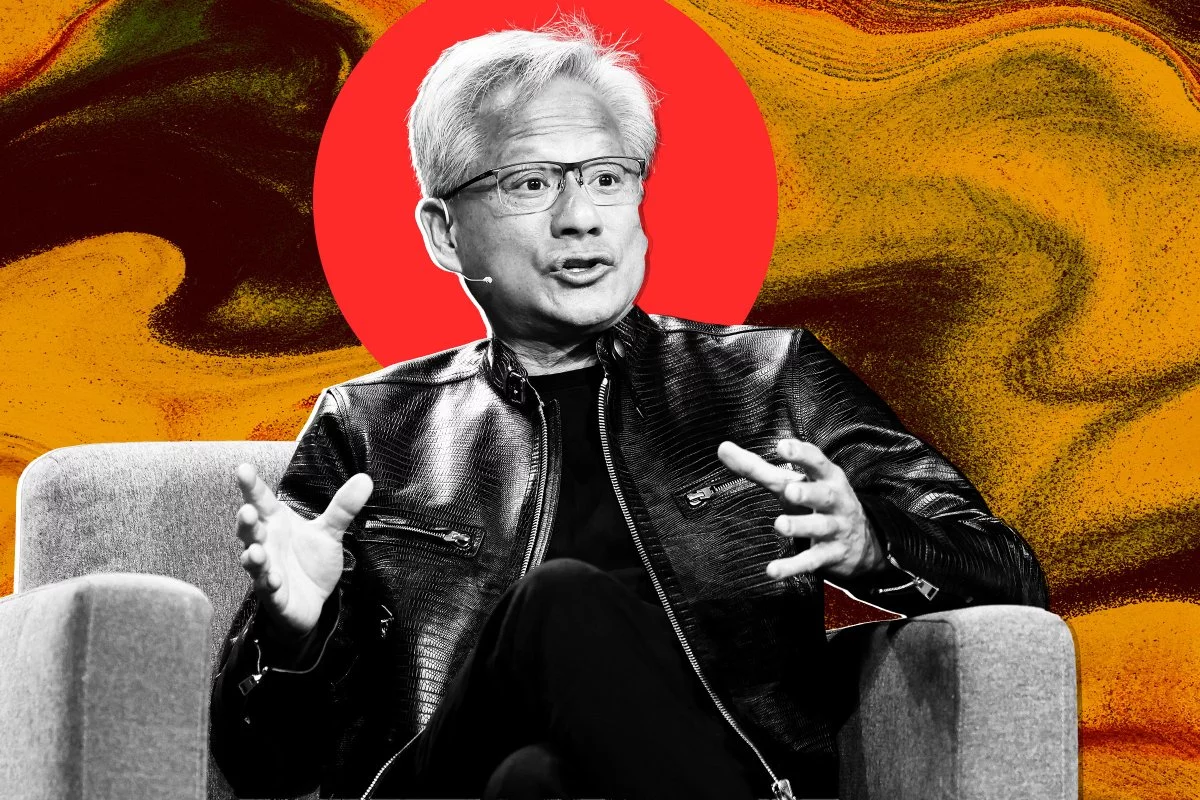
Jensen Huang, the enigmatic CEO at the helm of Nvidia, has never been one to shy from controversy. In a recent appearance on the No Priors podcast, Huang took direct aim at the “doomer narrative” that has come to dominate much of the public discourse around artificial intelligence. His message was clear: dystopian rhetoric, often fueled by science fiction and amplified by industry luminaries, threatens to distort policy and stall innovation precisely when the stakes—and opportunities—have never been higher. With Nvidia’s market capitalization now brushing the $5 trillion mark and its GPUs serving as the backbone of modern AI, Huang’s intervention is as much a defense of his company’s strategic position as it is a call to reimagine the future of technology.
The GPU as the New Platform: Lock-In, Ecosystems, and the Power of Optimism
Nvidia’s ascendancy in the AI era is reminiscent of Microsoft’s Windows monopoly during the PC boom. The company’s dominance is rooted not only in hardware—its GPUs are the gold standard for training and deploying large-scale AI models—but also in a proprietary software stack (CUDA, cuDNN, TensorRT) that binds developers to its ecosystem. This “platform lock-in” is no accident. By championing optimism and dismissing AI doomerism, Huang is safeguarding a global dependency loop: the more developers build on Nvidia’s tools, the higher the switching costs, and the harder it becomes for rivals—be they open ASIC initiatives or alternative accelerators from AMD, Intel, or Google—to break through.
- Ecosystem Narrative Management:
Huang’s public optimism is not mere boosterism. It is a reputational shield for an ecosystem that thrives on experimentation and scale. The “AI everywhere” mantra aligns perfectly with Nvidia’s interests, encouraging broad adoption and deterring the regulatory throttles that could slow the relentless pace of innovation.
- Defending the Franchise:
By reframing the debate, Huang also forestalls customer defection. Each new GPU generation—Blackwell, Rubin, and beyond—becomes not just a technological leap, but a reaffirmation of Nvidia’s centrality to the AI revolution.
Economic Reverberations: Capex, Productivity, and the Regulatory Crossroads
The economic implications of the AI debate are profound. Hyperscalers like AWS, Microsoft, Google, and Meta are collectively poised to spend over $200 billion on capital expenditures in 2024 alone, with GPUs accounting for a staggering 30–40 percent of that outlay. Nvidia’s valuation, already stratospheric, is predicated on the assumption of multi-year, double-digit growth in data-center revenue—a trajectory that could be derailed by precautionary regulation inspired by existential-risk narratives.
- Capital Expenditure Super-Cycle:
Should policy shift toward caution, procurement could slow, impacting not just Nvidia but the entire digital infrastructure supply chain—from data-center REITs to fiber and power projects.
- Productivity vs. Displacement:
Huang’s insistence on AI as a productivity engine, rather than a harbinger of mass unemployment, is more than rhetoric. It shapes macroeconomic policy, influencing how central banks and governments weigh the promise of AI-driven growth against the specter of structural job loss.
- Regulatory Outlook:
The tension between the precautionary principle and the innovation imperative is acute. Bills proposing compute-threshold licensing, export controls, and mandatory safety audits are gaining traction. Huang’s stance is a subtle rebuke to policies that would fragment global supply chains—particularly as U.S.–China tech tensions escalate—and a plea for a balanced approach that enables progress while managing risk.
Navigating the Competitive and Organizational Terrain
The AI safety debate has spawned a new breed of start-ups—Anthropic, OpenAI, and others—who monetize alignment concerns by offering “safer” models at a premium. Huang’s challenge to their dystopian messaging is a bid to prevent a “safety tax” from embedding itself in the AI value chain, echoing the cyber-security industry’s earlier boom driven by breach anxiety.
For enterprise leaders, the implications are clear:
- Capital Allocation:
CFOs must stress-test AI investments against divergent policy regimes—hedging bets by diversifying accelerator vendors and negotiating adaptive cloud contracts.
- Talent Strategy:
The narrative around AI and jobs will shape both political cycles and regulatory risk. Documented reskilling and upskilling initiatives offer a reputational buffer against future backlash.
- Regulatory Engagement:
Proactive participation in pre-competitive alliances can help shape safety standards without ceding ground to restrictive compute thresholds that could entrench incumbents and stifle open research.
- Scenario Planning:
Strategic plans must now account for both AI-optimistic and AI-pessimistic macro cases, with the potential for productivity-driven GDP gains on one hand, and a regulatory-induced capex pause on the other.
The debate Jensen Huang has ignited is not simply about optimism versus pessimism; it is about who gets to define the terms of progress in an era of unprecedented technological change. For decision-makers, parsing this discourse—and acting with agility across capital, talent, and policy—will determine who thrives as the AI future unfolds.

 By
By
 By
By


 By
By

 By
By