
A Calculated Disruption: Google’s Pixel 10 Gambit and the Shifting Smartphone Terrain
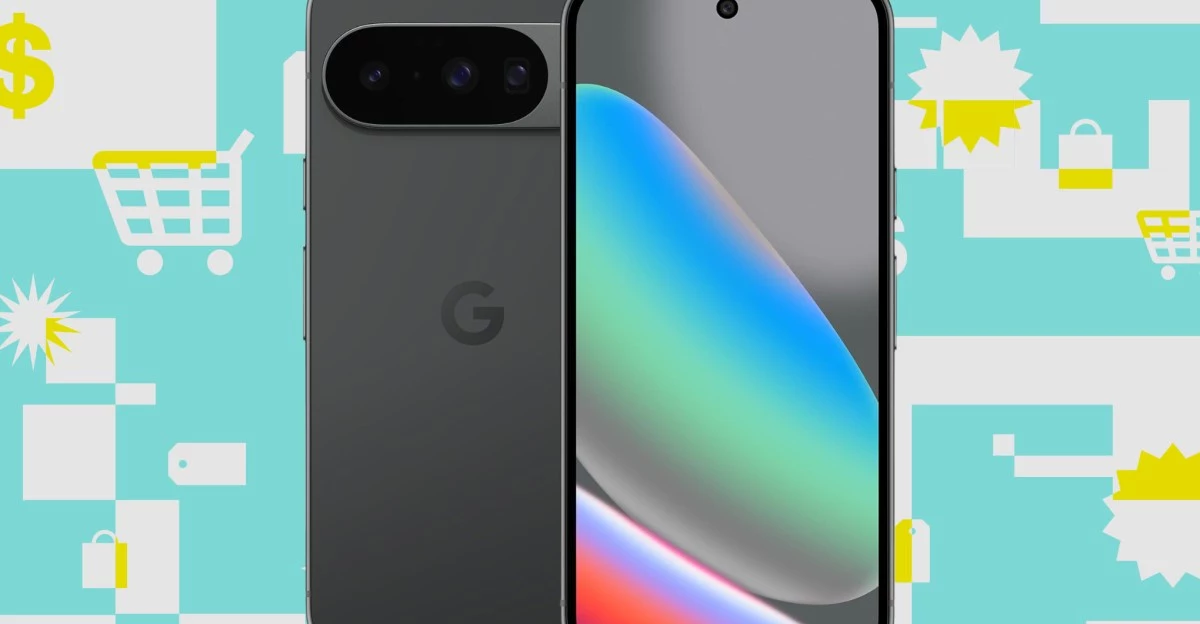
Google’s latest move in the smartphone chess game is as bold as it is calculated: within weeks of launch, the Pixel 10 family has been slashed to prices that upend the established order. The base model, once pegged at $799, now sits at a jaw-dropping $449 on Amazon, with the Pro and Pro XL models similarly discounted. This is not a mere seasonal promotion—it is a signal flare, illuminating Google’s evolving strategy and the shifting tectonics of the mobile industry.
Hardware Innovation as Strategic Leverage
The Pixel 10 line is not just another annual refresh. It marks a confluence of hardware advances and industry-standard bets that ripple far beyond Google’s own ecosystem:
- Qi2 Wireless Charging: By integrating Qi2, Google is the first major Android OEM to embrace a cross-platform, magnet-aligned charging standard. This move pressures competitors to follow suit, threatening to erode Apple’s lucrative MagSafe accessory moat. The implications are profound: a universal charging ecosystem could unlock a new wave of accessory innovation and diminish the gravitational pull of proprietary platforms.
- 3,000-Nit OLED Display: Delivering flagship-level brightness at a mid-tier price, Google is collapsing the experiential divide that once separated premium from value segments. This recalibrates consumer expectations, compelling rivals to rethink their own display strategies.
- Democratized Telephoto Lens: The introduction of a dedicated 48 MP telephoto camera in the entry-level Pixel signals the end of optics-based segmentation. Google’s confidence in computational photography is evident—software, not hardware, is now the principal differentiator.
At the heart of these devices lies the Tensor G5 SoC, Google’s most ambitious silicon yet. By standardizing this chip across all Pixel 10 variants, Google streamlines its supply chain and ensures that its AI-driven features—real-time translation, on-device inference, and personalized experiences—are accessible to a broader audience. The Tensor G5’s architecture, optimized for AI efficiency rather than raw graphics power, reveals Google’s bet: that the next wave of smartphone loyalty will be won by seamless, context-aware intelligence, not by gaming benchmarks.
Economic Calculus: Pricing, Channel Dynamics, and Competitive Response
The sheer scale of Google’s price cuts is unprecedented for a flagship Android device. A $350 markdown, representing a 44% reduction, is not merely a response to sluggish demand—it is a deliberate act of market engineering. Several dynamics are at play:
- Market Share Over Margin: By absorbing the cost of these discounts, likely subsidized by its vast ad and cloud profits, Google is prioritizing user acquisition and data scale over immediate hardware profitability.
- Channel Innovation: The Amazon-exclusive promo-code mechanism is a masterstroke, shifting promotional costs and leveraging granular buyer data while sidestepping traditional carrier subsidies. This weakens the historic gatekeeping role of telecoms and empowers direct-to-consumer models.
- Competitive Pressure: Apple’s iPhone 15, steadfast at $799, now appears vulnerable to value-conscious upgraders. Samsung’s Galaxy S23 FE, priced at $599, risks being perceived as spec-deficient. Google’s gambit could trigger a price war, compressing margins across the industry.
Yet, this strategy is not without risk. Aggressive discounting can anchor consumer perceptions, making it difficult to reclaim premium pricing in future cycles. Unless offset by increased service revenue per user, Google’s hardware margins may remain razor-thin.
Strategic Ripples: Ecosystem, Supply Chain, and the Road Ahead
Google’s hardware play is inseparable from its broader ecosystem ambitions. Each Pixel 10 is a node in a vast sensor network, feeding data to refine Google’s AI models and deepen user engagement. The uniform deployment of Tensor G5 chips accelerates the rollout of OS-level AI features, positioning Android as a formidable counterweight to Apple’s walled garden.
The embrace of Qi2 is equally consequential. By catalyzing a multi-ecosystem charging standard, Google is inviting accessory makers to build for a broader universe, potentially siphoning revenue from Apple’s proprietary ecosystem and igniting a new accessories super-cycle.
Supply chain dynamics, too, are in flux. Should demand at these new price points surge, suppliers of high-brightness OLED panels and telephoto modules may see tightening inventories and rising spot prices—advantaging those with diversified partnerships.
For industry decision-makers, the message is clear:
- Smartphone OEMs must brace for accelerated price compression and shift focus toward AI, services, and ecosystem integration.
- Retailers should refine targeted, SKU-specific promotions, as broad price cuts give way to algorithmic, invite-only deals.
- Enterprise tech leaders may find the Pixel 10’s edge-AI capabilities compelling for privacy-sensitive deployments, as regulatory scrutiny of cloud-based data intensifies.
If Qi2 achieves critical mass, and if Google sustains its hardware subsidies, the coming year may see a reordering of the smartphone hierarchy—one where AI, not specs, is the true battleground, and where the lines between hardware, software, and service blur into a new paradigm of mobile computing.

 By
By
 By
By

 By
By

 By
By
 By
By
 By
By