
Record revenues, vanishing cash: the new arithmetic of AI scale
The latest earnings season has delivered a paradox that now defines the technology sector’s AI era: record top-line performance paired with rapidly deteriorating free cash flow. A Washington Post–cited S&P Global analysis indicates that free cash flow among the top five AI investors—named in reporting as including Google, Meta, and Oracle—has fallen close to zero this year, with projections pointing to a collective negative $125 billion by 2027.
This is not a routine investment cycle. It reflects a structural shift in how leading platforms compete. AI is no longer treated as a product line that can be paced to demand; it is increasingly viewed as core infrastructure, akin to the early build-out of hyperscale cloud—except with a steeper cost curve and a more uncertain monetization timeline.
Several forces are converging:
- Compute intensity is escalating faster than revenue capture. Training and serving frontier-scale models requires dense GPU clusters, specialized networking, and high-availability data-center capacity—capital-heavy assets with long payback periods.
- The “arms race” dynamic is self-reinforcing. When Amazon and Google signal additional AI spending, it raises the competitive bar for peers, even if near-term returns remain ambiguous.
- Cash returns to shareholders face trade-offs. Buybacks and dividends—historically central to mega-cap equity narratives—become harder to sustain when cash is redirected to capex, power procurement, and AI talent.
The market’s unease is therefore less about whether AI matters, and more about whether today’s spending levels are rational relative to near-term adoption and pricing power.
Why AI spending is so hard to monetize: integration drag meets pricing resistance
The commercial challenge is not that AI lacks capability; it is that enterprise value creation is proving slower and messier than the technology’s headline progress suggests. Many organizations are still navigating foundational hurdles—data readiness, governance, security, and workflow redesign—before AI can reliably deliver measurable productivity gains.
Key frictions are emerging across the adoption chain:
- Innovation-to-commercialization gap: Breakthroughs in model performance do not automatically translate into deployable business systems. Integration overhead—connecting models to proprietary data, legacy applications, and compliance processes—often dominates project timelines.
- Interpretability and risk management: Regulated industries remain cautious where outputs are difficult to audit, explain, or defend in front of regulators and customers.
- Tooling price pressure: As AI vendors raise fees to offset compute costs, enterprise clients are increasingly balking, especially when ROI is not yet consistent or when open-source alternatives narrow the perceived differentiation.
This dynamic creates a feedback loop: providers spend aggressively to build capacity and performance advantages, but customers—facing higher subscription and usage costs—push back, slowing revenue expansion and extending the payback horizon.
The consumer side adds another layer. AI’s infrastructure footprint is not invisible; it can surface indirectly through:
- higher electricity demand and grid strain tied to data-center expansion, and
- rising electronics prices as advanced chips and related components remain supply-chain constrained and capital intensive.
The result is a broader economic sensitivity: AI is not just a software story anymore—it is an energy, hardware, and industrial capacity story, with costs that can diffuse into everyday prices.
Capital markets and corporate strategy: from buybacks to balance-sheet endurance
Negative or near-zero free cash flow at scale is not inherently fatal—markets can tolerate investment phases when the endpoint is credible. The risk is that AI’s endpoint is still being priced as inevitable, even as the path to durable margins remains contested.
From a financial perspective, the warning signs are familiar:
- Capital allocation risk: Sustained cash burn can force difficult choices—slower hiring, delayed expansion, or reduced shareholder returns—particularly if credit conditions tighten.
- Borrowing costs and ratings sensitivity: If investment outlays persist while cash generation weakens, debt markets may demand higher yields, and rating agencies may scrutinize leverage trajectories more aggressively.
- Equity multiple compression: When buybacks fade and free cash flow weakens, investors may re-rate tech valuations, increasing the chance of broader market volatility—especially given the sector’s weight in major indices and retirement portfolios.
Strategically, companies are responding with a mix of consolidation and ecosystem control. The scramble for AI researchers, data engineers, and systems architects is inflating compensation, while acquisitions and mergers aim to secure IP and talent. The reference to SpaceX following an xAI merger underscores how even high-profile innovators can face financial strain when capital intensity rises and market sentiment turns—particularly as the summary notes a 30% share decline post-IPO ahead of looming quarterly results.
At the platform level, a central contest is sharpening: proprietary stack lock-in versus open-source disruption. Cloud incumbents want enterprises anchored to their model APIs, orchestration layers, and managed data services. Meanwhile, open-source model ecosystems are increasingly “good enough” for many use cases, shifting differentiation toward:
- proprietary data advantages,
- domain-specific fine-tuning and evaluation, and
- workflow-native tooling that reduces integration friction.
Policy, power, and the bubble question: AI’s next constraints may be external
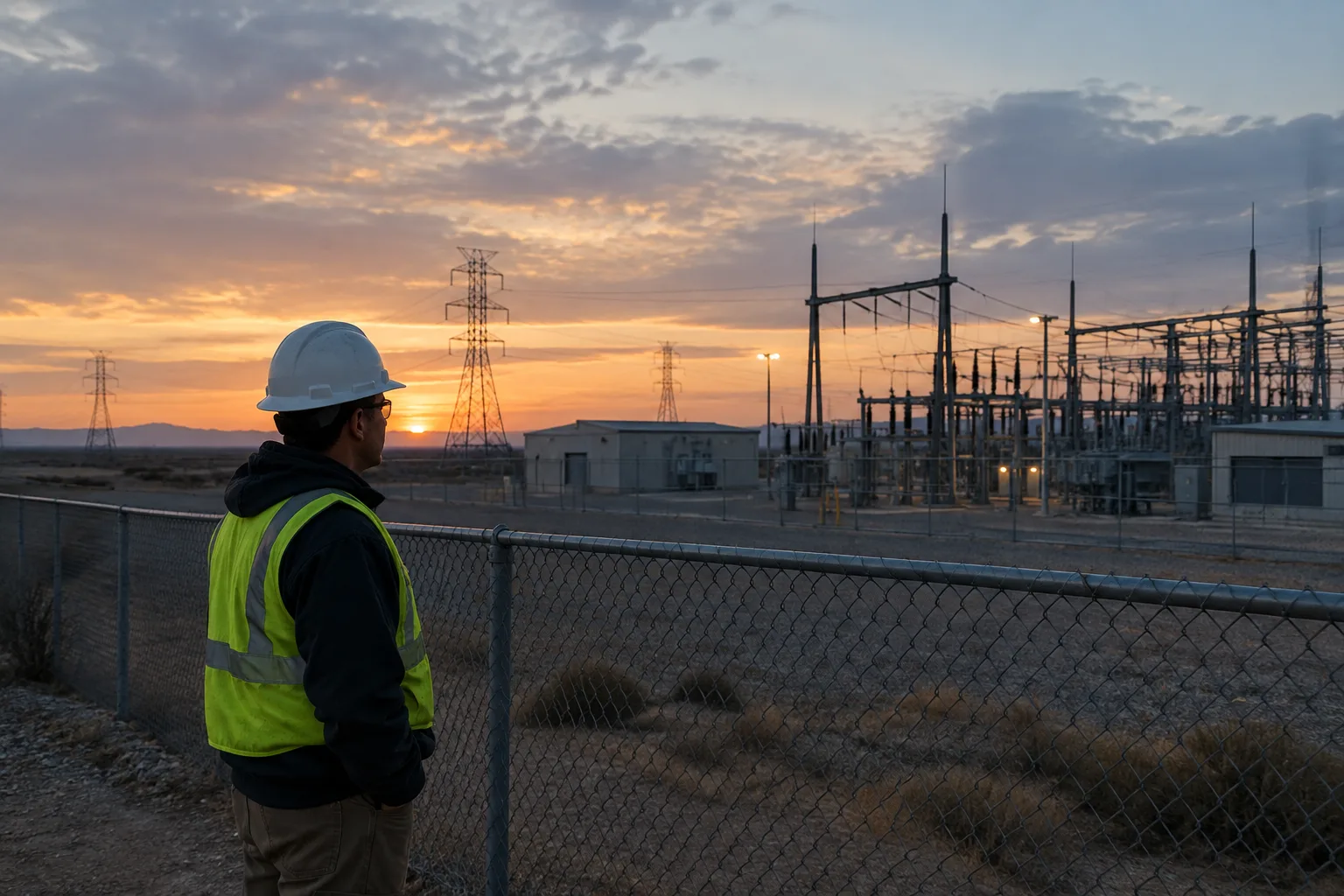
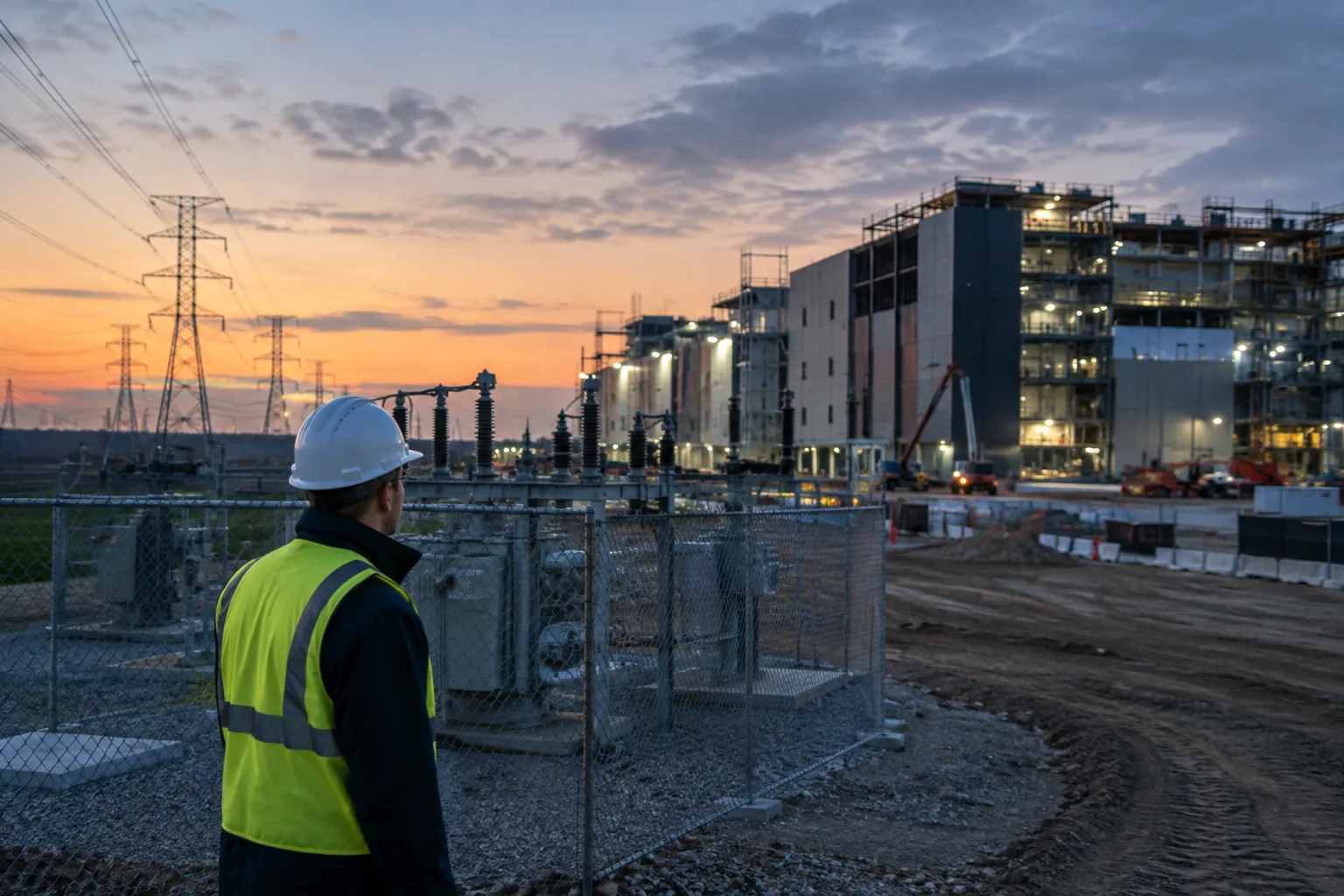
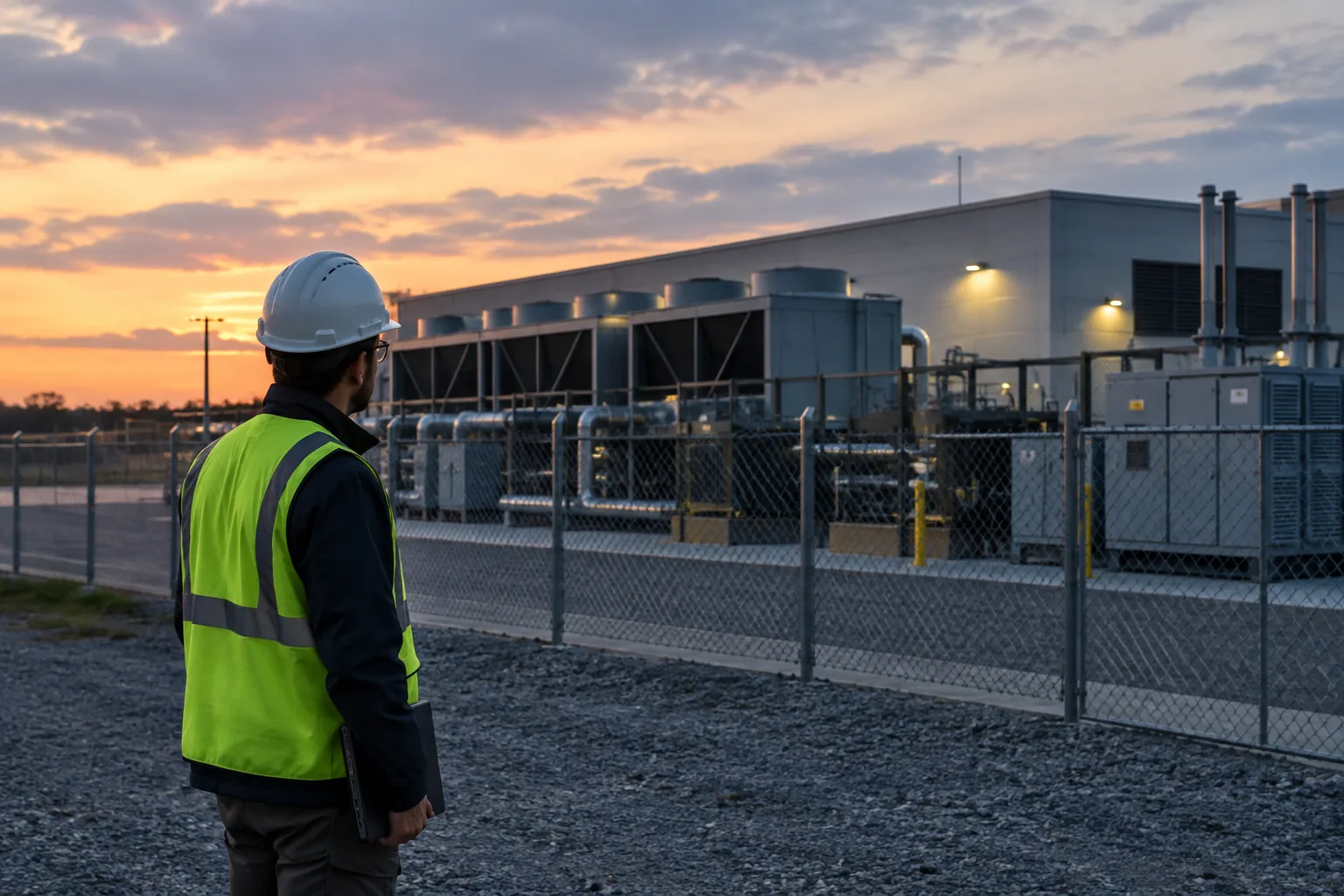
As AI data centers proliferate, political scrutiny is rising. The summary points to bipartisan concern over data-center expansion, a signal that AI’s growth curve may soon be shaped as much by permitting, grid capacity, and environmental standards as by model architecture.
Regulatory and macro constraints now sit closer to the center of the investment thesis:
- Energy and emissions oversight: Potential requirements around reporting, efficiency, or emissions could alter cost projections and site selection.
- Geopolitical supply-chain tensions: Export controls and semiconductor industrial policy make access to advanced chips a strategic variable, not a procurement detail.
- Compute taxation or stricter standards: Even the prospect of new rules can change how CFOs model long-lived infrastructure investments.
The “AI bubble” debate, then, is less about whether AI is transformative and more about whether capital is being deployed ahead of proven demand elasticity. If productivity gains remain elusive, if customers resist price increases, and if energy and regulatory constraints tighten, the sector may be forced into a more disciplined phase—one where winners are defined not by who spends the most, but by who converts compute into repeatable, auditable business outcomes while keeping balance sheets resilient.

 By
By
 By
By

 By
By

 By
By

 By
By