

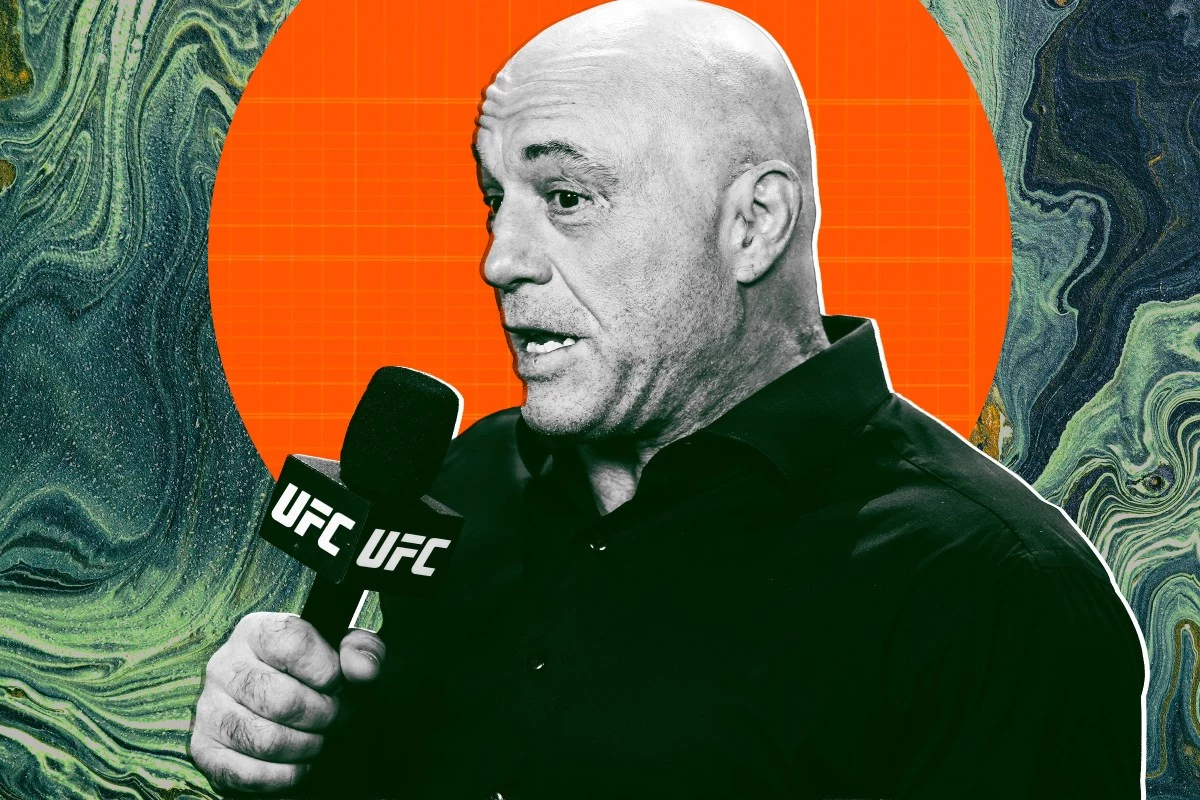

The Joe Rogan Effect: AI-Generated Music and the Shifting Foundations of Creativity
When Joe Rogan, podcasting’s most influential tastemaker, marvels at AI-generated covers of 50 Cent on air, the ripple is felt far beyond the confines of his studio. With a listenership rivaling that of major broadcast networks, Rogan’s spontaneous delight—juxtaposed with skepticism from guests like Andrew Schulz and Katee Sackhoff—has become a cultural focus group, exposing the deep fissures and emergent opportunities at the intersection of artificial intelligence and the music industry.
What unfolds on Rogan’s platform is more than idle banter. It is a real-time referendum on the legitimacy of synthetic audio, a phenomenon that is rapidly eroding the boundaries between human artistry and algorithmic mimicry. The conversation is no longer hypothetical: it’s happening in front of millions, shaping public sentiment and, by extension, the future of music itself.
Generative AI’s Disruption: From Model Sophistication to Infinite Personalization
The technological leap in generative audio is nothing short of astonishing. State-of-the-art diffusion and transformer models now replicate not just the vocal timbre of artists like 50 Cent, but also the intricate layers of arrangement and production that once demanded expensive studio sessions. The “better than the original” quality, as some listeners claim, signals a dramatic compression of the quality gap between professional output and consumer-accessible AI tools. The premium that record labels have long charged for studio polish is shrinking—perhaps irreversibly.
Yet, this progress is built atop a vast, often unlicensed, reservoir of data. AI models are trained on back catalogs that span decades, raising unresolved questions around fair use, performer likeness rights, and the definition of derivative works. While regulators in the EU and the U.S. circle these issues, the industry is left in a legal gray zone, one that could be upended by a single landmark lawsuit.
Perhaps most revolutionary is the promise of personalization at scale. Imagine a world where every listener receives a bespoke version of “What Up Gangsta,” dynamically tailored to their mood, workout intensity, or even the weather outside. Generative pipelines make this possible, hinting at a future where music is ephemeral, infinitely variable, and unmoored from the traditional release schedule.
Economic Fault Lines: Royalty Models, Platform Strategy, and the Content Deluge
The economic implications are seismic. If synthetic tracks begin to siphon listening hours from licensed catalogs, the current royalty model—already a source of tension between artists and platforms—could tilt in favor of AI rights-holders. Human musicians may find themselves at a disadvantage unless collective bargaining or legislative intervention rebalances the scales. In anticipation, major labels are likely to acquire or develop proprietary AI models, echoing their strategic stakes in streaming giants like Spotify.
At the same time, the marginal cost of content creation is plummeting. Independent creators and marketing teams can now flood digital platforms with high-quality covers, intensifying the “content inflation” problem and pushing per-track revenue lower. Yet, for IP owners, AI offers a tantalizing opportunity: the ability to repackage back catalogs into multilingual versions or decade-specific remasters without the overhead of traditional studio work.
Streaming and social platforms face a pivotal choice. Should they police AI-generated uploads to preserve relationships with labels, or embrace them to expand catalog breadth and user engagement? Social media giants like TikTok may lean into synthetic sound snippets to fuel viral trends, while streaming incumbents could position AI music as a premium, hyper-personalized feature—justifying higher subscription tiers and deeper user loyalty.
The Next Frontier: Regulation, the Metaverse, and the Inversion of Talent
Generative AI in music sits at a cultural and regulatory inflection point. Rogan’s embrace of synthetic covers signals that generative audio has escaped the tech bubble and entered the mainstream. This diffusion is often the harbinger of mass adoption—and mass disruption.
Regulatory momentum is building, with initiatives like the White House AI Bill of Rights and the UK’s Online Safety Bill poised to impose compliance requirements that only well-capitalized firms may be able to absorb. This could create a moat for incumbents, while startups scramble to offer rights-management and attribution solutions—prime targets for acquisition as the legal landscape crystallizes.
Beyond the obvious, AI-generated music is emerging as the “middleware” of the metaverse. Adaptive soundtracks that respond in real time to in-game events promise to boost immersion and dwell time on spatial computing platforms, from Apple Vision Pro to Meta Quest. Meanwhile, the very nature of talent scouting is being upended: labels may soon sign prompt engineers whose algorithmic creations go viral, rather than traditional performers.
As the music business stands on the brink of an AI-driven transformation, the industry’s response will determine whether synthetic audio becomes a threat to be contained or a new asset class to be harnessed. The executives who move swiftly—auditing catalogs, shaping royalty frameworks, and investing in content authentication—will be best positioned to capture the value of this new era. The rest may find themselves, like so many before them, outpaced by the relentless march of technology.


 By
By
 By
By

 By
By
 By
By
 By
By
 By
By







