

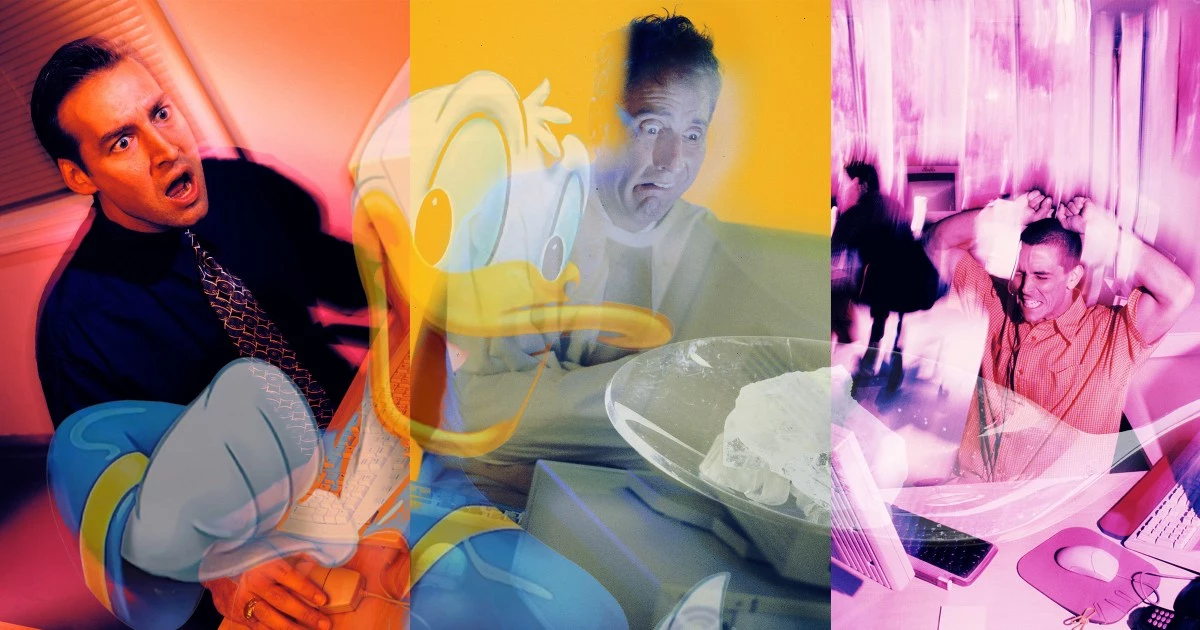

Disney’s $1 Billion Bet: Rewriting the Script for Generative AI and Iconic IP
When Disney announced a $1 billion investment in OpenAI, the move reverberated far beyond Hollywood’s storied studios. This is not merely a licensing deal; it is a bold recalibration of how intellectual property, storytelling, and artificial intelligence will entwine in the coming decade. By granting OpenAI a three-year license to over 200 beloved characters—from Marvel heroes to Pixar icons—Disney is inviting the world to prompt new stories, scenes, and worlds through Sora, OpenAI’s much-anticipated video-generation platform, and ChatGPT. The catch: these AI-generated clips will feature the characters, but not the voices or likenesses of their human actors. It’s a calculated risk, a hedge against obsolescence, and a signal flare to competitors and regulators alike.
Generative Video Meets the Magic Kingdom: Technology at a Tipping Point
Sora’s text-to-video engine promises to compress animation cycles from months to mere minutes, democratizing the creation of derivative works and lowering production barriers to a degree previously unthinkable. Yet Disney’s approach is far from laissez-faire. By restricting voice and likeness rights, the company is effectively building an “IP sandbox”—a walled garden where generative models operate within tightly defined boundaries. This is more than a technical constraint; it’s a preview of a future where foundation models are “IP-grounded,” trained and tuned not just on open data, but on proprietary corpora that encode canonical story arcs, color palettes, and even the subtle physics of a character’s gait.
Authenticity engineering is also at the forefront. Expect watermarking, cryptographically signed provenance metadata, and perhaps integration with emerging standards like the Coalition for Content Provenance and Authenticity (C2PA). Disney, ever vigilant about brand dilution, is moving to preempt the specter of deepfakes and unauthorized derivatives. The absence of legal likeness rights nudges developers toward synthetic, brand-consistent speech synthesis—a field where Disney’s own research arm holds significant patents.
Strategic Calculus: From Streaming Squeeze to IP Monetization
Disney’s streaming business, once the darling of Wall Street, is now maturing. Subscriber growth has plateaued, and average revenue per user is under pressure. The $1 billion outlay is less a moonshot than a carefully structured portfolio hedge—an equity-style bet that offers upside exposure to AI’s explosive growth while limiting capital risk. By licensing rather than owning the underlying models, Disney positions itself as both a content kingmaker and a shareholder in the next wave of platform standards.
This is also a masterstroke in IP risk mitigation. By sanctioning official character models, Disney is converting illicit, fan-driven demand into a metered, monetizable supply—much as the music industry once pivoted from Napster lawsuits to Spotify royalties. The deal’s implicit pricing of Disney IP at roughly 5% of OpenAI’s last valuation sends a clear message to other rightsholders: the ceiling for branded data monetization is rising, but only for those willing to partner early.
For OpenAI, the partnership is a competitive coup. Exclusive access to Disney’s vaults extends its moat beyond model quality to content rights, complicating responses from rivals like Anthropic, Google, and Meta. Disney, meanwhile, leverages the alliance to woo Gen-Z creators and reclaim cultural currency from the likes of TikTok.
Navigating Risks and Shaping the Next Entertainment Frontier
The promise of user-generated Disney content is exhilarating, but it comes with profound risks. Oversaturation of low-quality clips could erode decades of carefully curated brand equity. Disney’s retention of curation rights for Disney+ hints at a bifurcated ecosystem: an “officially surfaced” lane for premium content, and a sprawling, less-regulated tail on public platforms. Without robust moderation, this balance is precarious.
Regulatory scrutiny looms large. Child safety concerns, especially around algorithmic placement of AI-generated videos, will test compliance with COPPA and the EU Digital Services Act. Talent relations are equally fraught; recent SAG-AFTRA provisions require performer consent for digital replicas, demanding careful synchronization between licensing regimes and union obligations.
Looking ahead, entertainment executives must prepare for a world where IP fragments into promptable, licensable micro-assets. Rights management platforms, akin to those in music publishing, will emerge for visual IP. New value chain nodes—“AI showrunner” tools that orchestrate story logic, compliance, and brand guidelines—will act as middleware, securing gatekeeper economics for early movers. Success metrics will shift from box office receipts to “authorized prompt share”—the proportion of AI-generated content leveraging licensed character packs. Studios that proactively design revenue-sharing frameworks for writers and actors can transform potential litigation into participatory upside.
Disney’s pivot from litigating AI infringement to orchestrating dynamic, user-co-created story worlds marks a watershed moment. The entertainment industry’s future will be shaped by those who secure their seats at the generative AI table—before exclusivity gives way to commoditization. The next act belongs to those who can align legal, technical, and creative strategies, defining the economics of storytelling for a new era.

 By
By
 By
By

 By
By
 By
By
 By
By









