
When Generative AI Meets the Fortnite Universe: A Collision of Speed, Trust, and Creative Identity
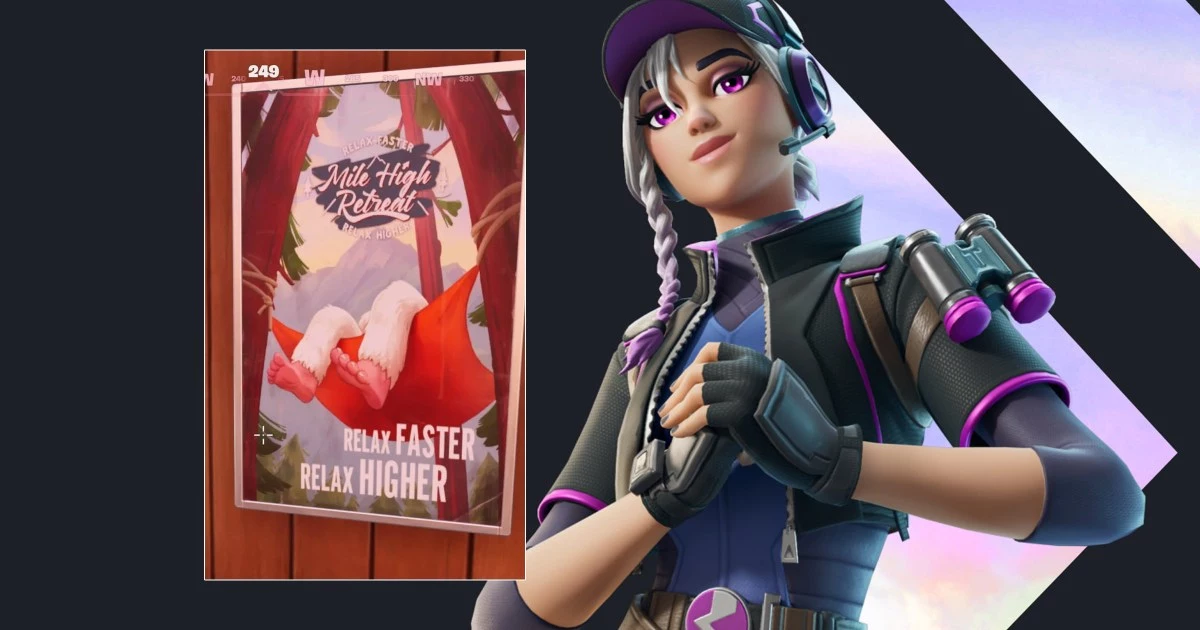
The digital sprawl of Fortnite, Epic Games’ flagship, is no stranger to reinvention. Yet its latest update has ignited a rare, almost existential debate within its player base—a community fiercely attuned to the game’s aesthetic DNA. The flashpoint? A seemingly innocuous movie-poster asset, “Mile High Retreat,” featuring a yeti with feet that defy anatomical logic. To the discerning eyes of Fortnite’s millions, this was not mere artistic license; it was a telltale sign of generative AI at work.
The ensuing uproar was not confined to social media echo chambers. Sub-reddit polls revealed a resounding 80% of engaged players opposed to AI-generated art in Fortnite, their anxieties ranging from the erosion of quality and authenticity to fears of artist displacement. This groundswell of skepticism arrives at a moment when Epic’s CEO, Tim Sweeney, is publicly rebuffing Steam’s new disclosure mandates for AI content, dismissing such measures as regulatory overreach. The tension between operational expediency and creative trust has never been more palpable.
Generative AI’s Double-Edged Sword: Efficiency Gains and Brand Peril
The allure of generative AI in AAA and live-service gaming is undeniable. Tools like Midjourney, Stable Diffusion, and bespoke internal models promise to slash production cycles for secondary assets—think posters, signage, and background music—by up to 90%, reducing costs from hundreds of dollars in artist hours to mere tens in compute credits. For a game as relentlessly iterative as Fortnite, the operational upside is immense.
Yet, these gains are shadowed by new operational risks:
- Quality Control: AI-generated anomalies—like the infamous yeti feet—can undermine the visual canon of a premium brand, especially when every slip is magnified by the game’s live-service cadence.
- Provenance Ambiguity: Even seasoned observers struggle to distinguish hand-drawn from AI-assisted assets, complicating regulatory compliance and contract enforcement.
- Tool Chain Fragmentation: As studios blend bespoke art, outsourced content, and generative iterations, asset provenance becomes a tangled web, making retrospective disclosure or takedown both costly and complex.
The music domain is not immune either. Questions swirl around the in-game track “Latata,” whose title mirrors a hit by K-pop group (G)I-DLE, raising concerns about originality and potential AI involvement. The risk of inadvertent IP collisions grows in a world where AI models remix vast swathes of copyrighted material.
Economic Realities and the New Frontier of Consumer Trust
The labor economics are stark: a Fortnite prop that once cost $500 now materializes for less than $50. However, the calculus is not purely financial. In the age of digital abundance, consumer trust is a scarce, monetizable asset. Cosmetic sales and battle-pass renewals depend on the emotional resonance of iconic IP. If players perceive content as “cheapened” by AI, the erosion of brand equity can outpace any operational savings.
A competitive rift is emerging around AI governance. Valve’s Steam platform is positioning disclosure as a bulwark against liability, while Epic’s hands-off approach courts creator goodwill but risks regulatory and reputational fallout. The looming EU AI Act, set for finalization in 2024, will impose transparency and watermarking mandates—non-compliance could trigger geo-specific takedowns or fines tied to global turnover.
The strategic context is further complicated by the industry’s creator ecosystem. Fortnite’s long-term moat is its user-generated-content economy. Should professional and hobbyist artists feel marginalized, the creative exodus may flow to platforms like Roblox, Unity’s Muse marketplace, or even emerging Web3 worlds promising immutable royalties.
Navigating the Crossroads: Strategic Imperatives for the AI-Accelerated Era
The Fortnite episode crystallizes a pivotal inflection point for the interactive entertainment industry. While generative AI’s cost advantages are now incontrovertible, the strategic premium has shifted decisively to trust architecture and provenance fidelity. Studios must weigh the following imperatives:
- Multi-layered Asset Review: Combine automated anomaly detection with human oversight to safeguard visual integrity before live deployment.
- AI Governance Charters: Align internal policies with emerging global standards, integrating legal, marketing, and community perspectives.
- Transparent Labeling Experiments: Pilot “AI-Assisted” versus “Artist-Created” tags in non-core modes to gauge revenue and sentiment impacts.
- Investor Communications: Frame AI as a tool for creative augmentation, not replacement, pre-empting talent and ESG concerns.
As asset-forensics startups develop GAN-fingerprinting and provenance middleware, the infrastructure costs of trust will favor large-cap publishers. Yet, the real contest will unfold in the hearts and minds of players: those who can convert transparency and high-fidelity provenance into brand equity will shape the next era of digital worlds. The lesson for decision-makers—whether at Epic, Valve, or emerging studios—is clear: in the age of generative AI, authenticity is not a nostalgic luxury, but a strategic necessity.

 By
By
 By
By


 By
By
 By
By
 By
By