

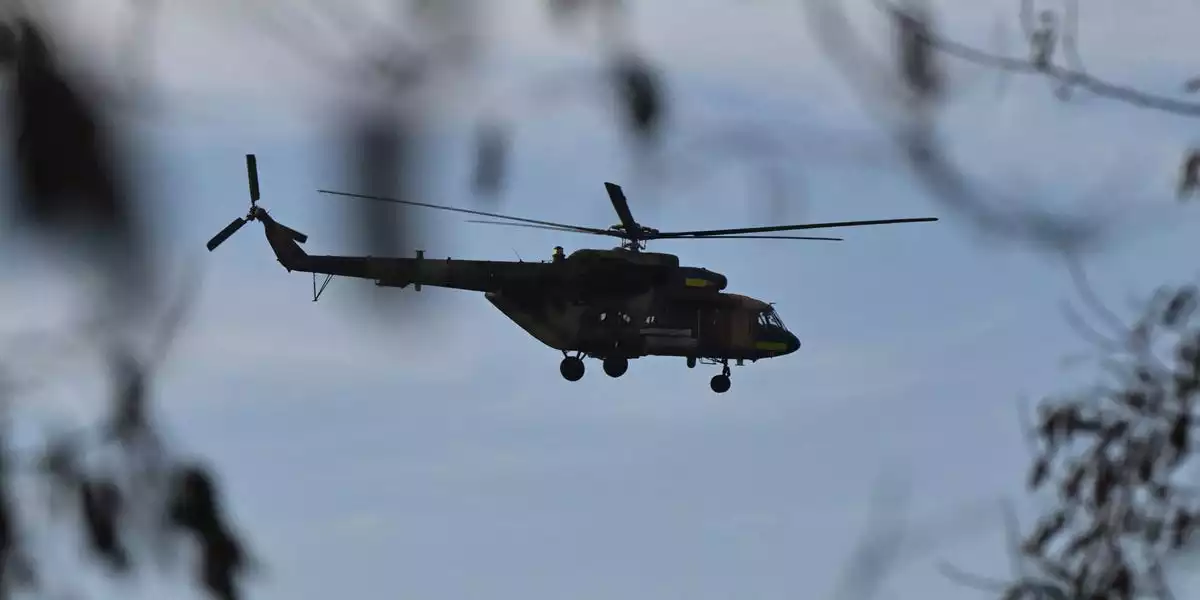

The New Geometry of Airpower: How Repurposed Drones Are Redrawing the Battlefield
The war in Ukraine has become a crucible for the evolution of drone warfare, with recent Russian adaptations of Iranian-origin Shahed drones marking a profound inflection point. Once relegated to the role of one-way loitering munitions, these drones are now being reimagined as operator-guided, air-to-air interceptors—an audacious gambit that signals a qualitative leap in unmanned aerial systems (UAS) doctrine. This shift is not merely tactical; it is a harbinger of broader disruptions in defense economics, industrial supply chains, and the very logic of air superiority.
From Kamikaze to “Poor Man’s Fighter”: The Tactical Renaissance
Russia’s transformation of the Shahed platform is as much a story of ingenuity as it is of necessity. Through iterative firmware and airframe modifications, what was once a disposable, long-range strike asset now doubles as a real-time, operator-controlled interceptor. The integration of low-cost electro-optical seekers and digital datalinks—often sourced from commercial supply chains despite Western sanctions—has enabled this metamorphosis. The battlefield, in effect, has become a live laboratory: each engagement yields data that accelerates Iran’s R&D cycle, driving down unit costs and refining performance.
This technological leap comes with a seismic shift in the cost-exchange calculus. At $30,000–$50,000 per Shahed, Russia is wagering that even a single successful strike against a Ukrainian Su-27 fighter—valued north of $30 million—justifies the attrition of dozens, if not hundreds, of drones. The traditional asymmetry that favored manned interceptors has been inverted. Ukrainian pilots, once the hunters, now find themselves hunted by a platform that is not only cheaper but also increasingly sophisticated.
Economic Reverberations and the New Defense Supply Chain
The implications of this shift extend far beyond the tactical. The persistent ability of Iranian production lines to source dual-use chips and Chinese composites underscores a glaring vulnerability in Western export-control regimes. Sanctions, while slowing some flows, have not choked off the commercial technologies that underpin these drones. This agility in supply chain management—coupled with battlefield-driven design iteration—has allowed Iran and its partners to maintain a steady drumbeat of innovation.
For Ukraine and its Western backers, the economic dilemma is acute. The unsustainable logic of firing million-dollar interceptors at $50,000 drones is forcing a reevaluation of procurement priorities. Expect to see a pivot toward layered counter-UAS (C-UAS) portfolios, with investments flowing into microwave, laser, and AI-enabled optical systems. The defense industrial base is on the cusp of a market realignment: demand is shifting from exquisite, high-end platforms to attritable airframes and open-architecture mission systems. Russia’s willingness to import innovation under sanctions, meanwhile, sets a precedent that other isolated regimes are likely to follow.
Strategic Calculus and the Fracturing of Air Superiority
The operational landscape is now far more complex. The presence of operator-guided Shaheds in contested airspace compresses the window for Ukrainian fighter patrols, eroding the traditional advantages of manned airpower. Russia, in effect, has improvised a quasi-layered air defense: Shaheds threaten higher, slower targets, while man-portable air-defense systems (MANPADS) and anti-aircraft artillery (AAA) handle low, fast intrusions. The psychological impact is equally significant. Even unverified claims of aircraft shoot-downs can sap pilot aggressiveness and serve as potent tools of information warfare.
This paradigm is not confined to Ukraine. The concept of cheap, operator-controlled kamikaze drones targeting aircraft is eminently exportable, with potential ramifications for flashpoints from the Strait of Taiwan to Middle Eastern energy corridors. The democratization of air combat—driven by the “smartphone-ization” of lethal airpower—lowers the entry barrier for state and non-state actors alike, echoing the proliferation of MANPADS in the 1980s.
Navigating the New Airpower Reality
For technology executives and defense planners, the message is stark: air dominance is no longer the exclusive domain of billion-dollar platforms. The operational, economic, and psychological leverage conferred by adaptable, low-cost drones is reshaping the competitive landscape. The window for adaptation is narrowing, and the lessons of Ukraine are already reverberating through boardrooms and war rooms alike.
Fabled Sky Research and its peers in the defense analysis sector are closely tracking these developments, recognizing that the future of airpower will be defined not just by who can build the most exquisite aircraft, but by who can adapt fastest to a world where the geometry of the battlefield is being redrawn—one drone at a time.

 By
By
 By
By
 By
By
 By
By

 By
By
 By
By








