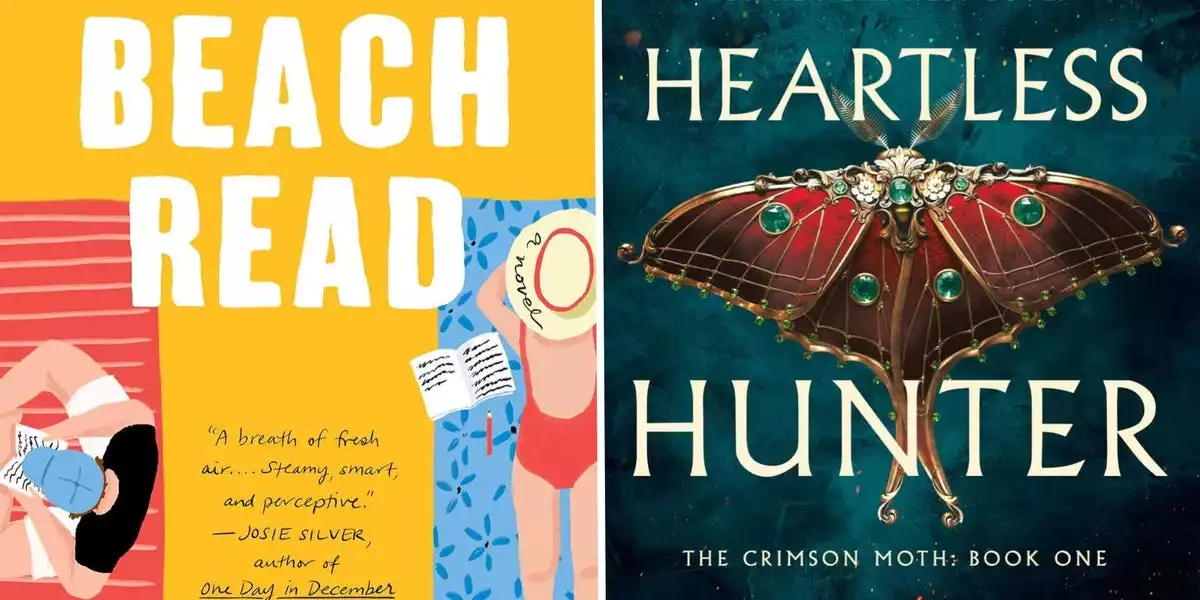

The Enemies-to-Lovers Phenomenon: A Trope Reshaping the Economics of Storytelling
In the ever-evolving world of narrative commerce, the “enemies-to-lovers” romance trope has emerged as more than a fleeting literary fascination. Its meteoric rise—fueled by social media virality and algorithmic amplification—illuminates a deeper transformation at the intersection of technology, audience segmentation, and intellectual property strategy. This is not simply a matter of taste; it is a masterclass in how data, diversity, and digital platforms are rewriting the rules of value creation across publishing, streaming, and interactive entertainment.
From Viral Sensation to Platform Currency
Romance fiction, long the engine of adult trade publishing, now accounts for a formidable 20–25% of U.S. book sales. Yet it is within the high-conflict, high-payoff subgenres—most notably, enemies-to-lovers—that the industry is witnessing disproportionate growth. On platforms like TikTok (#BookTok) and Goodreads, the rapid emotional inversion from antagonism to intimacy maps seamlessly onto short-form video and serialized digital formats. This narrative elasticity makes the trope especially exportable, powering adaptations across streaming series, fan-fiction sites, and even interactive game narratives.
Key drivers of this phenomenon include:
- Algorithmic Discovery: TikTok’s content-graph, optimized for emotional volatility, propels enemies-to-lovers clips to viral status. Publishers are responding by reverse-engineering metadata—keywords like “rivals,” “forced proximity,” and “slow burn”—into their acquisition and marketing workflows, essentially treating tropes as SEO assets.
- Diverse Representation: The new wave of romance protagonists—neurodivergent, LGBTQ+, and culturally varied—signals a move from monolithic archetypes to micro-segmented storytelling. This diversity enables publishers to tap into long-tail demand, attracting niche audiences without cannibalizing the mainstream.
- Interactive Formats: Platforms such as Episode and Choice of Games report retention rates 30–40% higher for stories featuring adversarial romance arcs. The ability to rapidly port text IP into visual-novel or VR experiences via Unity and Unreal plug-ins further expands monetization horizons.
Technology, Data, and the New Editorial Playbook
The enemies-to-lovers boom is inseparable from the technological catalysts transforming content creation and distribution. Generative AI, for instance, is being deployed to simulate “trope heat maps,” allowing editors to stress-test manuscripts for pacing and conflict before green-lighting projects. While this accelerates editorial cycles and reduces risk, it also raises questions about creative originality and the provenance of intellectual property.
The economics of rights management are similarly evolving. A midlist romance novel, once a modest proposition, can now be optioned for streaming at 10–15 times its initial advance. Studios, armed with reader engagement data, view trope-rich stories as “low-risk/high-yield” bets, fueling bidding wars that begin earlier in the manuscript lifecycle. Print-on-demand technology, meanwhile, allows publishers to capitalize on viral spikes without the drag of unsold inventory, converting social momentum directly into cash flow.
Strategic shifts reshaping the industry:
- Rights Arbitrage: Early optioning and bundling of transmedia rights lock in future value before multiples escalate.
- Supply-Chain Agility: Print-on-demand and variable pricing algorithms enable publishers to ride viral trends and maximize revenue.
- Globalization: The import of foreign-language romance—such as K-Romance and C-Xianxia—leverages familiar adversarial tropes, encouraging co-production models and bilingual IP packages for global streaming platforms.
The Future: Personalization, Fan Economies, and Strategic M&A
Looking ahead, the convergence of fan economies and official IP is poised to blur the boundaries of canon. Community-authored alternate endings and bonus chapters, often hosted on platforms like Patreon or Wattpad, are already challenging traditional notions of authorship and franchise control. Smart rights holders are experimenting with “derivative sandbox” licenses, capturing new revenue streams while maintaining narrative coherence.
Personalization is also on the horizon. Adaptive e-books that allow readers to modulate trope intensity—adjusting the “spice level” or rivalry severity—could emerge as premium offerings, leveraging real-time analytics to fine-tune emotional cadence. Meanwhile, the dual imperatives of ESG and DEI are elevating inclusive romance IP to strategic-portfolio status, aligning regulatory requirements with the commercial appetites of Gen-Z readers.
Strategic recommendations for industry leaders:
- Build Trope Intelligence: Integrate social-listening tools with editorial systems to identify emerging micro-tropes ahead of the curve.
- Option-Plus Bundles: Negotiate transmedia and interactive rights at acquisition to future-proof IP value.
- Governed AI Co-Creation: Pilot generative AI for scenario prototyping, with robust watermarking and rights management.
- Dynamic Pricing: Deploy surge-pricing algorithms to monetize peak demand without alienating core audiences.
The enemies-to-lovers surge is not a literary afterthought but a lens on the future of content monetization. Those who treat trope intelligence as a core strategic asset—rather than a creative afterthought—will be best positioned to capture the next wave of value in the global narrative economy. In this new landscape, the ability to anticipate, adapt, and amplify culturally resonant tropes marks the difference between fleeting trend and enduring franchise.

 By
By


 By
By
 By
By

 By
By
 By
By