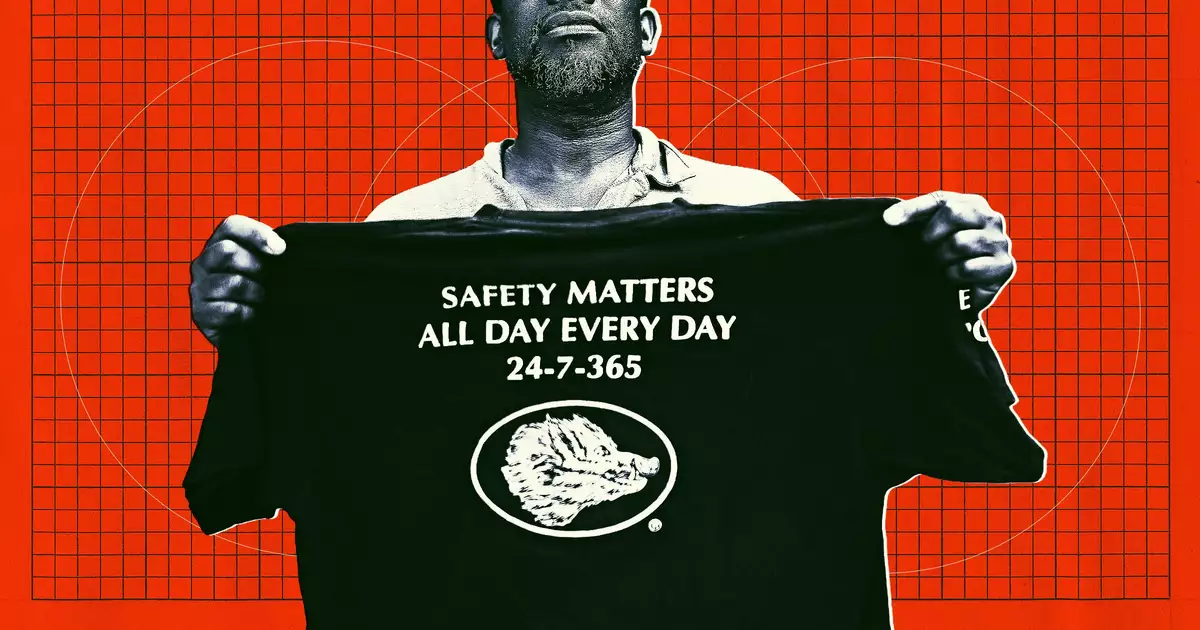

After the Outbreak: Boar’s Head and the Anatomy of a Food Safety Reckoning
The reopening of Boar’s Head’s Virginia facility, following a devastating listeria outbreak, marks a pivotal moment not just for the company, but for the entire ready-to-eat (RTE) meat industry. The numbers alone are stark: 60 hospitalizations, 10 deaths, a 2.6 million-pound recall, and a year-long production halt. Yet, beneath the surface of regulatory green lights and recruitment drives, deeper questions linger about the structural integrity of food safety protocols in modern, high-throughput meat processing.
Systemic Vulnerabilities: Where Food Safety Culture Meets Operational Reality
The crisis at Boar’s Head is not an isolated incident, but rather a symptom of systemic vulnerabilities that afflict the RTE sector. Reports of dried fat on machinery, blocked drains, and inconsistent hand-washing are not merely lapses—they are signals of a food safety culture stretched thin by throughput pressures and lean staffing. The presence of insect infestations and black mold points to more than episodic negligence; it reveals a persistent friction between best-practice standards and the realities of daily plant operations.
This tension is not unique to legacy brands. High-growth, venture-backed meal-kit companies have exhibited similar cross-contamination patterns, underscoring a critical insight: as companies scale, food safety risk migrates from a compliance checkbox to a genuine bottleneck. The lesson is clear—robust environmental monitoring, zone-segregated workflows, and continuous microbial surveillance are no longer optional. They are the price of admission for sustained growth and consumer trust.
Technology’s Pivotal Role: From Traceability to Real-Time Risk Management
The fallout from the outbreak is catalyzing a technological arms race in food safety. Digital traceability, once a niche concern, is rapidly becoming table stakes for premium deli brands. Blockchain and EPCIS-based provenance systems offer not only real-time recall localization, but also a pathway to lower insurance premiums and enhanced underwriting.
Meanwhile, the advent of affordable edge IoT sensors—capable of monitoring listeria, humidity, and temperature for less than $50 per node—enables continuous, data-driven oversight of critical control points. Firms that integrate these sensors into their clean-in-place (CIP) systems have seen pathogen-positive rates drop by up to 80%. Layered atop these advances, AI-powered computer-vision audits are transforming sanitation compliance from a periodic chore to a real-time, actionable metric. Early pilots in poultry processing have slashed contamination incidents by 42%, hinting at the potential for similar gains in deli meats. Venture capital is already flowing toward “HACCP-as-a-service” startups, signaling a broader shift toward continuous, automated risk management.
The Economic and Regulatory Crosswinds Shaping the Sector’s Future
The economic aftershocks of the Boar’s Head crisis extend far beyond lost production. The true cost lies in reputational damage—a single point of market share lost to private-label or rival brands can erase $40–50 million in annual EBITDA, given the premium margins at stake. Labor volatility compounds the challenge, as the company seeks to rehire 500 workers in a tight manufacturing labor market, driving up wages and onboarding costs at a time when protein input prices are stabilizing and margins are compressed.
Retailers, wary of supply-chain fragility, are diversifying SKUs and renegotiating contracts to favor flexibility and indemnity. This shift threatens to dilute fixed-volume agreements and further erode category confidence. Simultaneously, regulatory momentum is accelerating: the FDA’s proposed Food Traceability Rule 204 and the USDA’s impending listeria performance standards will soon require near-instantaneous reporting and digital traceability. For processors lacking technological infrastructure, compliance risk is existential.
Environmental, Social, and Governance (ESG) factors are also reshaping the landscape. Rating agencies now classify microbial contamination under Social capital metrics, with direct implications for debt pricing and retailer partnerships. Even privately held firms like Boar’s Head must satisfy retailer-driven ESG scorecards—or risk losing shelf space in an unforgiving market.
Strategic Imperatives: Building Resilience in an Era of Zero Tolerance
For industry leaders, the path forward is clear but demanding. Embedding data-driven safety metrics—such as ATP swab counts and PPE adherence—into executive KPIs can transform food safety from a reactive function to a source of durable competitive advantage. Transparency, enabled by real-time QR code traceability, is not just a defensive posture; it is a lever for premium pricing and brand loyalty.
Diversifying production capacity, leveraging advanced monitoring to secure better insurance terms, and scenario-planning for a future where plant-based proteins claim a larger share of the deli counter are no longer optional. They are strategic imperatives for any firm seeking to navigate the new normal.
As the Boar’s Head facility resumes operations, the industry stands at a crossroads. The convergence of regulatory scrutiny, technological innovation, and shifting consumer expectations has raised the stakes. Executives who treat food safety technology as strategic infrastructure—rather than compliance overhead—will be best positioned to restore trust, capture market share, and define the future of the RTE meat sector. In this new era, microbial risk is not just a public health issue; it is a material financial variable, and the ultimate test of brand resilience.

 By
By
 By
By
 By
By
 By
By
 By
By


 By
By