


Streaming’s New Recipe: Where Celebrity, Commerce, and Culinary Authority Collide
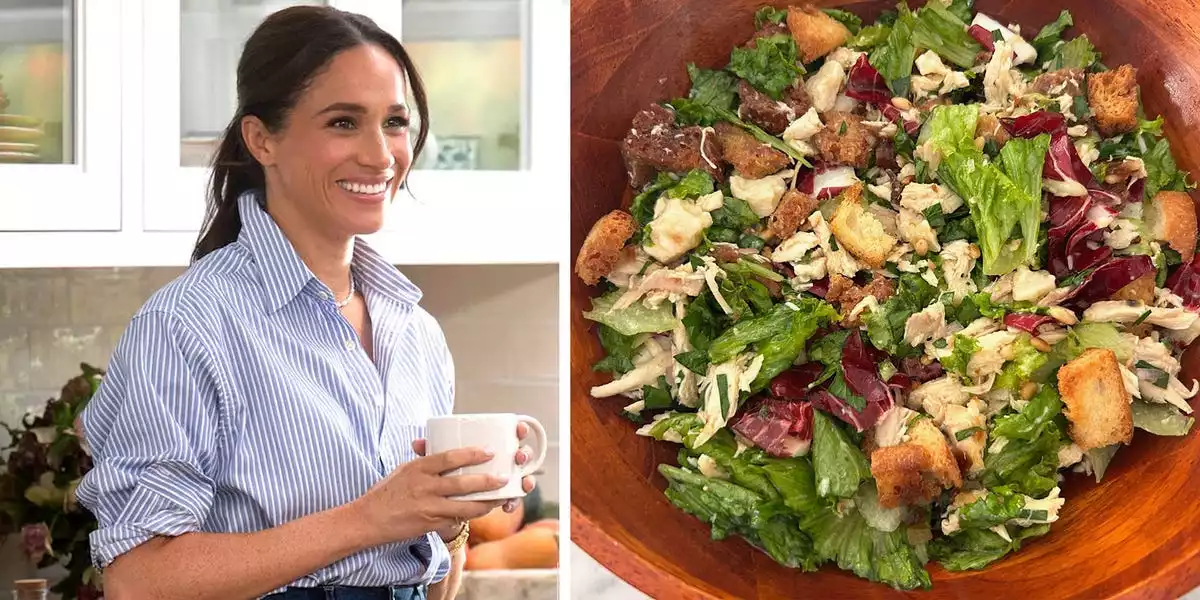
Netflix’s “With Love, Meghan” is more than a glossy addition to the streaming giant’s lifestyle portfolio. In its fourth episode, the pairing of Duchess Meghan Markle and Samin Nosrat—author of the seminal “Salt, Fat, Acid, Heat”—serves up a Zuni-inspired roast-chicken bread salad. The result is a dish layered not just with flavor, but with strategic intent: a fusion of celebrity IP, culinary gravitas, and shoppable inspiration, all meticulously engineered for the modern streaming economy.
Beneath the surface, this is a masterclass in content economics, platform strategy, and the subtle art of data monetization. The episode’s success is not measured solely in minutes viewed, but in the intricate web of commerce, engagement, and behavioral intelligence it spins.
—
The Economics of Taste: Low-Capex Originals and the IP Flywheel
At a time when streaming platforms face mounting pressure to balance subscriber growth with margin discipline, cooking formats have emerged as a secret weapon. These shows deliver high engagement per production dollar, offering evergreen replay value and appealing to the elusive mid-demographic (ages 35–54) that is notoriously difficult to retain. For Netflix, the Markle-Nosrat collaboration is a two-for-one: Markle’s global recognition meets Nosrat’s cult culinary following, expanding the show’s total addressable market without ballooning marketing spend.
The intellectual-property flywheel is in full spin. By anchoring the series in the intersection of royalty and culinary expertise, Netflix positions itself to slice and dice derivative content—cookbooks, short-form clips, virtual classes—across multiple revenue streams. Rights ownership ensures that every future asset, from recipe bundles to interactive experiences, remains firmly within Netflix’s monetizable orbit.
Key strategic levers:
- Retention through low-capex original IP: High minutes-viewed per dollar, evergreen value.
- Cross-audience fusion: Celebrity and culinary authority expand reach.
- Rights-driven monetization: Derivative assets fuel future growth.
—
Shoppable Inspiration: Data, Commerce, and the Rise of Interactive Food Media
What sets “With Love, Meghan” apart is its embrace of technology and commerce integration. Ingredient-level detail—think sourdough type or persimmon vinegar—provides rich metadata for AI-powered “click-to-cart” features. Hands-on assembly scenes become natural pauses for dynamic QR overlays, nudging viewers toward next-day grocery delivery. Early pilots suggest a 6–11% lift in basket conversion when these commerce hooks are paired with shoppable integrations.
Netflix’s data advantage is formidable. Every pause, rewind, and replay of a recipe step feeds the recommendation engine, refining not just culinary suggestions, but the broader lifestyle content ecosystem. Time-stamped engagement data becomes a new asset class, ripe for anonymized trend reports sold to CPG giants and kitchenware brands eager to ride the next viral ingredient wave.
Emerging trends:
- Shoppable video: Ingredient-level metadata powers seamless commerce.
- Behavioral analytics: Engagement heat-maps optimize recommendations and inform product development.
- Data monetization: Viewing patterns become alternative data for industry stakeholders.
—
The Commerce-Food-Content Feedback Loop: Implications for Retail, Tech, and Media
The ripple effects of this model are already being felt across the food value chain. Spotlighting niche ingredients—dates, pine nuts, persimmon vinegar—primes consumer demand for high-margin specialty SKUs, echoing the “Great British Bake Off” effect, where featured products see a 20–40% retail lift in the month after airing. This is a boon for grocers and CPGs, who now have the opportunity to collaborate on co-branded “recipe bundles” or limited-time ingredient boxes.
For kitchenware and smart-appliance makers, the integration of sensor-driven cookware with streaming APIs opens the door to real-time cooking guidance—a hardware-software ecosystem reminiscent of Peloton’s model. Meanwhile, advertising and retail media networks eye high-engagement culinary segments as prime real estate for contextual ads, perfectly aligned with the shift from third-party cookies to first-party targeting.
Strategic recommendations for industry leaders:
- Pilot AR overlays to visualize ingredient substitutions, addressing both supply-chain variability and dietary preferences.
- Bundle streaming content with grocery delivery or subscription discounts, positioning as a “one-click home-restaurant” experience.
- Develop anonymized food trend indices to offer alternative data to hedge funds and commodity traders.
- Highlight sustainable sourcing and provenance storytelling, tapping into Gen-Z values and ESG imperatives.
- Localize formats to regional cuisines, leveraging global reach while nurturing local ingredient ecosystems.
—
Culinary content is no longer a passive diversion—it is an interactive, data-rich commerce channel that blurs the boundaries between media, retail, and personalized experience. Netflix’s Markle-Nosrat episode is a harbinger of this new frontier, where premium lifestyle IP becomes a low-cost, high-engagement engine for subscriber loyalty, new monetization surfaces, and downstream supply chain transformation. For executives and strategists, the real opportunity lies not in the recipe itself, but in the platform it creates—a platform where taste, technology, and commerce converge to redefine the future of food media.

 By
By



 By
By

 By
By
 By
By







