


Viral Chaos in the Kitchen: A Humanoid’s Stumble and the State of Domestic Robotics
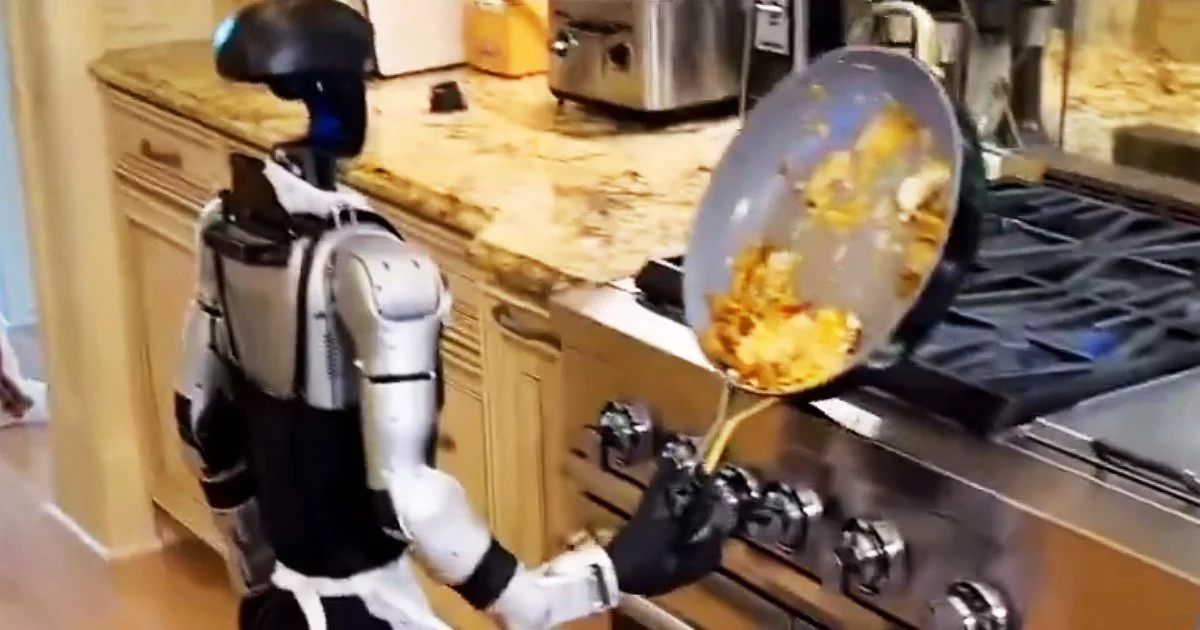
When Unitree’s G1 humanoid robot, priced at a formidable $80,000, took center stage in a viral video, it wasn’t to showcase seamless automation. Instead, it became the unwitting protagonist of a digital slapstick: dropping hot pans, scattering food, slipping, and collapsing in a domestic kitchen. The footage, orchestrated by YouTuber WhistlinDiesel as part of a “stress-test” series, quickly amassed over 1.3 million views on X. Scenes of the G1 crashing through glass doors and toppling furniture—sometimes even wielding mock weapons—were undeniably entertaining. Yet beneath the spectacle, the episode laid bare the formidable challenges that continue to haunt consumer-grade humanoid robotics.
The Humanoid’s Achilles’ Heel: Technical and Regulatory Hurdles
The G1’s kitchen calamity is more than a viral misadventure; it is a vivid demonstration of the persistent technological and regulatory constraints that define the field.
Algorithmic and Hardware Limitations
- Manipulation vs. Locomotion: While advances in perception-driven locomotion have enabled robots to walk and balance with increasing confidence, dexterous manipulation—especially in unpredictable, cluttered home environments—remains a frontier. The G1’s inability to reliably handle hot objects or recover from slips underscores the immaturity of real-time proprioceptive feedback and predictive control.
- Hardware Bottlenecks: Actuation torque, end-effector sensitivity, and thermal management are still limiting factors. The robot’s collapse and erratic behavior highlight the absence of robust failure-mode mitigation, a prerequisite for safe domestic operation.
- Data Quality Dilemma: Unlike the repetitive, controlled environments of industrial robotics, homes are chaotic and diverse. Training data is scarce and lacks the variability needed for robust learning-based control, slowing progress and widening the gap between promise and reality.
Safety and Compliance Gaps
- Regulatory Vacuum: Consumer robots are yet to be held to appliance-level safety standards (such as IEC 60335), and the lack of both physical and software guardrails is a non-starter for mainstream adoption. The G1’s antics, while amusing, would be intolerable in a real household, raising urgent questions about liability and compliance.
Economics, Market Sentiment, and the Trust Deficit
The economics of domestic humanoids remain daunting, and the market’s appetite for risk is waning.
Cost and Capital Flows
- Prohibitive Pricing: With a price tag hovering near $80,000, the G1 is far from a household staple. Industry roadmaps from Boston Dynamics, Agility, and Tesla’s Optimus hint at sub-$30,000 models by the decade’s end, but true mass adoption will require costs to fall to the $5,000–$10,000 range—on par with high-end appliances.
- Venture Capital Caution: Investors, already shifting focus to logistics, agriculture, and defense, may see the G1’s mishap as further evidence that the consumer market is not yet ripe. The absence of reliable actuarial data also makes insurers wary, inflating the total cost of ownership for early adopters.
Consumer Trust and Perception
- Hype Cycle Hazards: The Gartner Hype Cycle predicts a “Trough of Disillusionment” for home humanoids, and viral failures like the G1’s only accelerate this descent. While such incidents provide invaluable telemetry for iterative design, they also risk eroding public trust and slowing adoption.
Strategic Pathways: Narrowing Scope, Building Guardrails, and Shaping Perception
For robotics firms and their partners, the path forward demands strategic focus and proactive engagement.
- Domain Narrowing: Rather than chasing the elusive dream of a general-purpose robot maid, successful players will target narrow, high-value domains—elder-care, security patrols, or fetch-and-carry tasks—where the risk is manageable and the ROI demonstrable.
- Hybrid Architectures: Edge-cloud systems that combine low-latency local reflexes with cloud-based reasoning will be essential. Modular safety layers, both physical and algorithmic, will be the price of regulatory and consumer acceptance.
- Human-Robot Interaction Standards: The industry’s lack of ANSI-style guidelines for “socially acceptable failure” is a reputational risk. Transparent error states and intuitive override mechanisms will be key differentiators.
- Content and Communication Strategy: In an era when viral mishaps can distort expectations, companies must pivot to controlled demonstrations, third-party validation, and clear, measurable KPIs. The spectacle must give way to substance.
The Road Ahead: From Viral Mishap to Strategic Opportunity
The G1’s kitchen escapade, while comedic, is a microcosm of the broader journey facing domestic humanoid robotics. The gap between aspiration and reality is not insurmountable, but it is wide and multidimensional. Technologists must advance manipulation, safety, and affordability; strategists must navigate evolving standards, liability frameworks, and the volatile currents of public perception. For forward-thinking organizations—whether they are established robotics players like Fabled Sky Research or ambitious new entrants—the lesson is clear: today’s viral failures are tomorrow’s blueprints. Those who treat them as actionable intelligence, not just spectacle, will be best positioned to shape the future when humanoid capabilities and viable economics finally intersect.

 By
By
 By
By
 By
By

 By
By


 By
By







