


The Quiet Proliferation of Mobile Biometrics in U.S. Immigration Enforcement
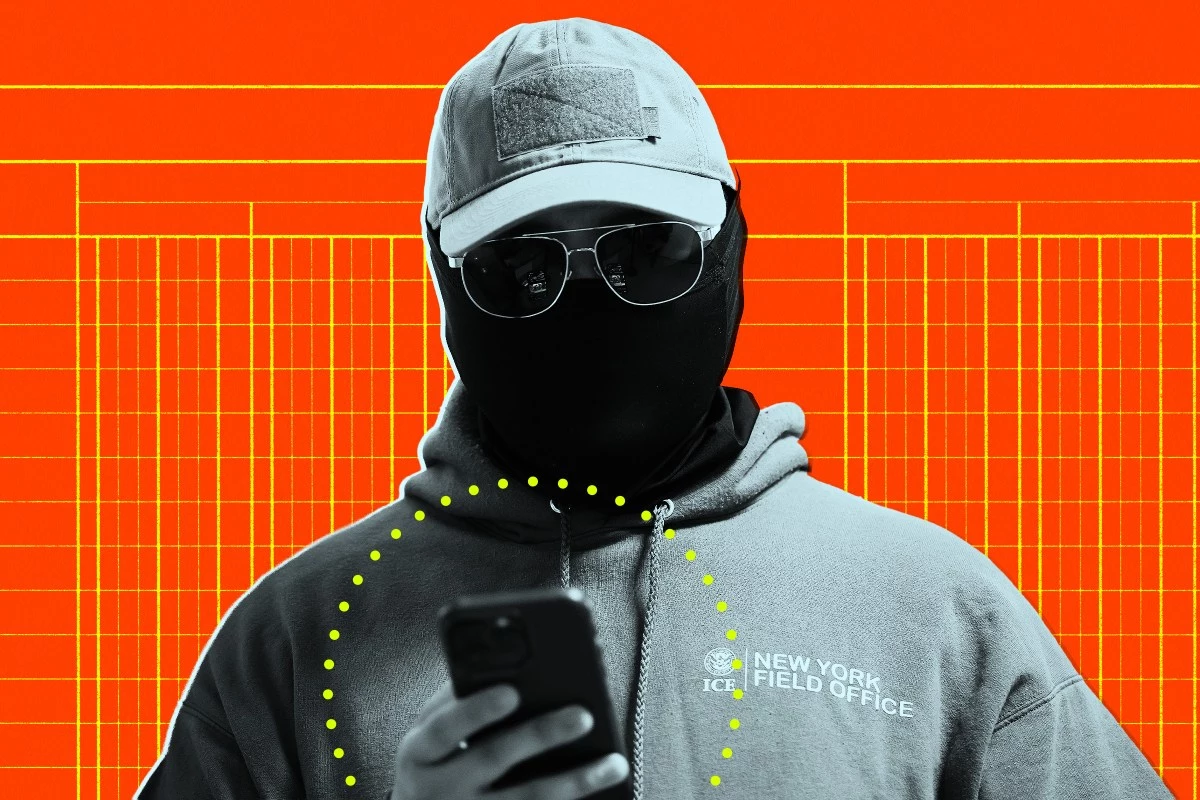
In a development as consequential as it is hushed, federal immigration agencies have begun to thread a new, digital latticework across the American landscape. With the deployment of “Mobile Fortify”—a mobile-first facial-recognition app—field officers from ICE and CBP now wield the power to identify, and often detain, individuals in public spaces using nothing more than their personal smartphones. This is not merely a technical upgrade; it is a seismic shift in the operational philosophy of immigration enforcement, one that fuses data-driven targeting with a velocity and reach previously unimaginable. The implications ripple far beyond the immediate sphere of law enforcement, touching on civil liberties, industrial dynamics, and the very architecture of American digital governance.
Edge Computing Meets Civil Liberties: Architecture and Bias at Scale
The technical underpinnings of Mobile Fortify reveal a calculated embrace of edge-based biometrics. By running facial recognition algorithms on consumer-grade devices, agencies have slashed latency and costs, but at a price: sensitive data now sprawls across a patchwork of endpoints with wildly variable security standards. The result is a parallel IT ecosystem, largely outside the oversight of federal protocols—an ecosystem where chain-of-custody and patch management are more aspiration than guarantee.
Central to this system is a vast, 200-million-image database, likely stitched together from DMV records, passport files, social media, and commercial data brokers—a mosaic reminiscent of the controversial practices of Clearview AI. This data pool, however, is not neutral. Accuracy skews toward lighter-skinned faces, perpetuating algorithmic bias and amplifying the risk of false positives for minorities. Such technical blind spots do not exist in a vacuum; they become the substrate for policy decisions and, potentially, civil-rights violations.
The use of officers’ personal smartphones—devices outside the hardened walls of federal IT—introduces a host of governance risks. Shadow IT practices expose agencies to data exfiltration, legal discovery, and third-party subpoenas, with little recourse for auditability or control. In this environment, the promise of operational speed is shadowed by the specter of systemic vulnerability.
Economic Incentives and the Expanding Surveillance Marketplace
The rapid adoption of mobile biometrics is not just a story of public policy; it is also a tale of industrial acceleration. Facial-recognition vendors, cloud providers, and analytics firms are now sitting atop a multibillion-dollar pipeline of homeland-security contracts. Even as congressional debates swirl around the ethics and scope of surveillance, the commercial momentum is unlikely to slow. Vendors have deftly repositioned their offerings as “dual-use”—serving both public safety and border control—ensuring continued relevance and budgetary insulation.
This normalization of phone-based biometrics by federal agencies is already providing political cover for state and local law enforcement to adopt similar tools, expanding the total addressable market for computer-vision SaaS. Yet, this growth is not without friction. Jurisdictions with robust biometric privacy statutes, such as Illinois’ BIPA, are poised for a surge in class-action litigation. For technology providers, legal fees and settlements become a new, if indirect, cost of doing business—one that echoes the regulatory burdens imposed by Europe’s GDPR on cloud and ad-tech vendors.
Strategic Uncertainties and the Global Stakes of Surveillance
The U.S. now finds itself at a crossroads in the global contest over digital identity and surveillance norms. With no federal privacy statute to rival Europe’s GDPR or the draft EU AI Act, American companies are forced to navigate a bifurcated regulatory landscape—strict oversight abroad, permissive adoption at home. This asymmetry raises compliance costs and complicates product roadmaps, as firms must develop configurable models for divergent legal regimes.
Boards and executives face a delicate calculus: how to pursue lucrative government contracts without becoming the face of civil-liberties erosion. The specter of reputational blowback looms large, with the potential for abrupt policy pivots in the wake of a viral misidentification or a change in administration. The risk is not merely theoretical; it is embedded in the daily operations and long-term strategies of any company entangled in the surveillance ecosystem.
The implications extend beyond the tech sector. Aggressive immigration enforcement intersects with ongoing labor shortages in critical industries—agriculture, construction, semiconductors—threatening to constrict talent pipelines at a moment when national policy is bent on revitalizing domestic manufacturing. The expansion of mobile facial recognition thus becomes not only a civil-liberties flashpoint but a strategic signal of how biometric surveillance is being woven into the fabric of American economic and social life.
As the regulatory pendulum hovers, technology leaders must weigh contract opportunity against the imperatives of governance and societal trust. The era of decentralized biometric surveillance is here; its legacy will depend on how rigorously—and ethically—it is managed.

 By
By
 By
By
 By
By
 By
By

 By
By

 By
By


 By
By









