
A clearer climate signal: what the new acceleration evidence changes
A new analysis published in Geophysical Research Letters is being treated as a threshold moment in climate attribution: it offers the first high-confidence evidence that global warming is accelerating, not merely continuing. By isolating the human-driven warming signal across five independent temperature records and filtering out major sources of short-term variability—El Niño/La Niña cycles, solar fluctuations, and volcanic aerosols—the researchers argue they can see the underlying trend with unusual clarity.
The headline numbers are stark and operationally meaningful. The study estimates warming of roughly 0.35°C per decade from 2015 to 2025, compared with 0.20°C per decade from 1970 to 2015, with >98% statistical confidence. Co-author Stefan Rahmstorf warns that, on the current trajectory, the Paris Agreement’s 1.5°C threshold could be crossed around 2030—a timeline that compresses planning horizons for governments, investors, and corporate boards alike.
For business and technology leaders, the key takeaway is not simply that warming continues, but that the rate may be increasing. That distinction matters because it changes the “shape” of risk: acceleration tends to front-load impacts, shorten depreciation cycles for carbon-intensive assets, and raise the value of technologies and operating models that can scale quickly.
Why this study is resonating
- Methodological rigor: multiple datasets, explicit removal of known natural drivers, and a quantified confidence level.
- Decision relevance: acceleration translates into tighter deadlines for emissions reductions and resilience investments.
- Narrative shift: it challenges residual market complacency that assumes linear, slowly evolving climate impacts.
Technology deployment moves from roadmap to race conditions
If warming is accelerating, the practical implication is that decarbonization is no longer a long glide path—it becomes a deployment sprint. Many corporate climate strategies were built around incremental adoption curves: pilots in the 2020s, scaling in the 2030s, optimization thereafter. An earlier breach of 1.5°C forces a re-evaluation of those curves, especially in sectors where capital stock turns over slowly.
Several technology domains stand to move from “strategic optionality” to baseline competitiveness:
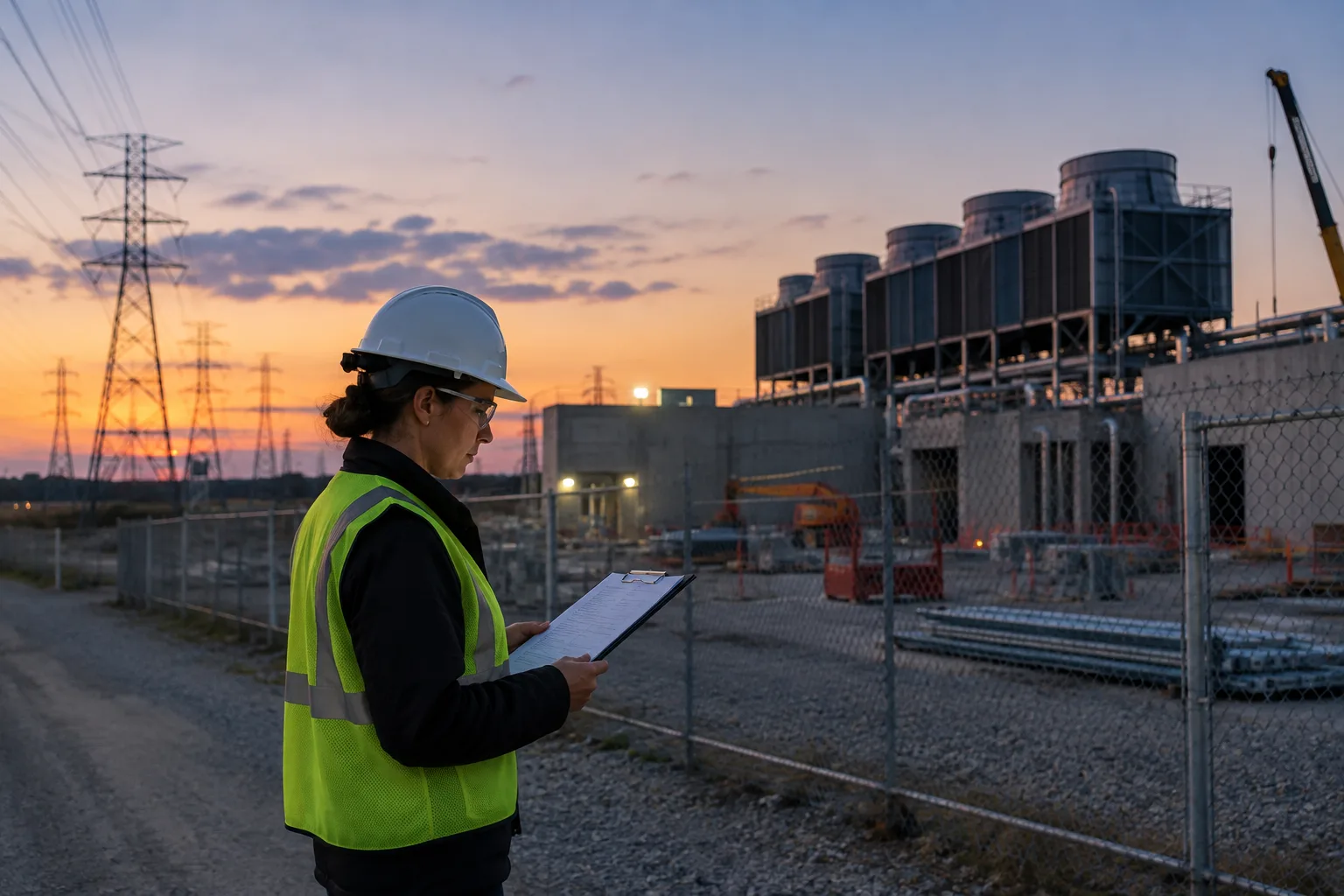
- Renewables + grid modernization: Faster warming increases the probability of more aggressive policy and market signals, strengthening the case for accelerated buildout of solar, wind, transmission, and grid-forming inverters.
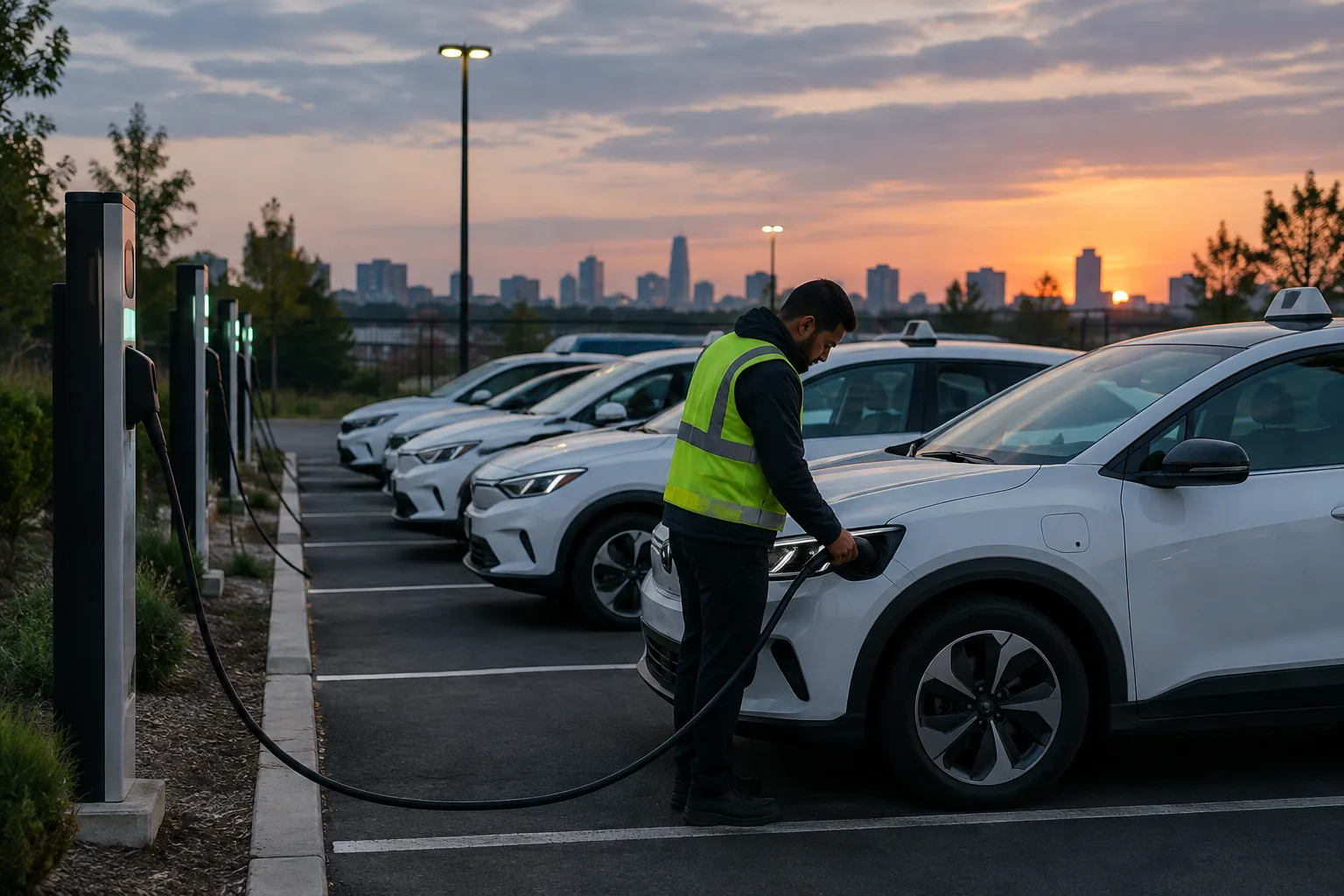
- Energy storage and flexibility: As electrification expands, storage (batteries, long-duration storage, demand response) becomes central not only to decarbonization but to system reliability under extreme heat and weather volatility.
- Industrial decarbonization at scale: Steel, cement, chemicals, and refining face heightened pressure to shift from demonstration projects to bankable, repeatable deployments—including electrified heat, alternative binders, hydrogen-based processes, and carbon capture where unavoidable emissions persist.
- Carbon management and MRV: The study’s emphasis on signal extraction mirrors what markets increasingly demand: measurement, reporting, and verification (MRV) that is auditable and near-real-time. Expect broader adoption of:
– AI-driven emissions monitoring
– digital twins for energy and process optimization
– tamper-resistant carbon accounting, including blockchain-anchored registries in some use cases
The competitive edge will increasingly accrue to firms that can industrialize climate solutions—standardize designs, modularize components, digitize operations, and secure supply chains for critical inputs (from copper to electrolyzers to advanced materials).
Capital markets, insurance, and supply chains reprice a steeper curve
Acceleration is not only an environmental finding; it is a financial variable. If the warming rate is higher, then both physical risks (heat, wildfire, flood, drought) and transition risks (policy tightening, demand shifts, litigation, reputational exposure) can intensify sooner than expected. That tends to trigger repricing—sometimes abruptly—across debt, equity, and real assets.
Key pressure points for the macro and financial system include:
- Stranded-asset dynamics: Upstream oil and gas, midstream infrastructure, and thermal coal face greater risk that assets will not earn back their cost of capital under faster policy tightening and demand erosion. Credit analysts are likely to scrutinize:
– credibility of transition plans
– capex alignment with stated emissions targets
– sensitivity to carbon pricing and methane regulation
- Insurance availability and cost: More frequent and severe events can push insurers and reinsurers to revise catastrophe models, raise premiums, narrow coverage, or exit markets—affecting construction, real estate, logistics, agriculture, and municipal finance.
- Commodity and input volatility: Agricultural yields, water availability, and energy demand peaks become more volatile under higher warming rates, with knock-on effects for food prices, industrial water users, and global trade flows.
- Supply-chain fragility: Heat stress and extreme weather can disrupt manufacturing nodes and transport corridors. Companies with digital supply-chain visibility and multi-sourcing strategies will be better positioned to reroute, rebalance inventory, and maintain service levels.
For CFOs and risk committees, the practical response is to treat 1.5°C exceedance not as a distant scenario but as a near-term stress test—with explicit modeling of cash flow, insurance costs, asset impairment risk, and working-capital shocks.
Policy acceleration and geopolitics: the next feedback loop
Scientific evidence of acceleration tends to harden the political logic for faster action, even if implementation remains uneven. The likely policy direction is toward more prescriptive disclosure, stronger carbon pricing, and industrial policy designed to localize clean-tech supply chains.
Areas to watch closely:
- Carbon pricing and border measures: Expansion and tightening of emissions trading systems and carbon taxes, alongside carbon border adjustments that reshape trade competitiveness for emissions-intensive goods.
- Disclosure and compliance: Increasingly standardized climate reporting regimes (including ISSB-aligned approaches and region-specific rules such as the EU’s CSRD) that raise expectations for data quality, governance, and assurance.
- Green industrial strategy: Subsidies, tax credits, and procurement mandates aimed at domestic production of clean power components, batteries, hydrogen, and critical minerals—reconfiguring global supply chains and investment flows.
Geopolitically, faster warming amplifies resource competition—freshwater, arable land, and climate-resilient infrastructure—while also reshaping energy security. Importers seek diversified low-carbon supply; exporters explore new roles in renewable power, hydrogen derivatives, and critical materials. The durability of multilateral cooperation will hinge on financing, technology transfer, and credible pathways for emerging economies to grow while decarbonizing.
For executives, the strategic posture that fits this moment is neither panic nor complacency, but compression: shorter timelines, higher confidence thresholds for climate data, faster scaling of proven technologies, and governance structures that treat climate as a core driver of enterprise value rather than a parallel sustainability track.

 By
By
 By
By

 By
By
 By
By

 By
By
 By
By