
A continent under compound stress: heat domes, wildfire smoke, and Texas floodwaters collide
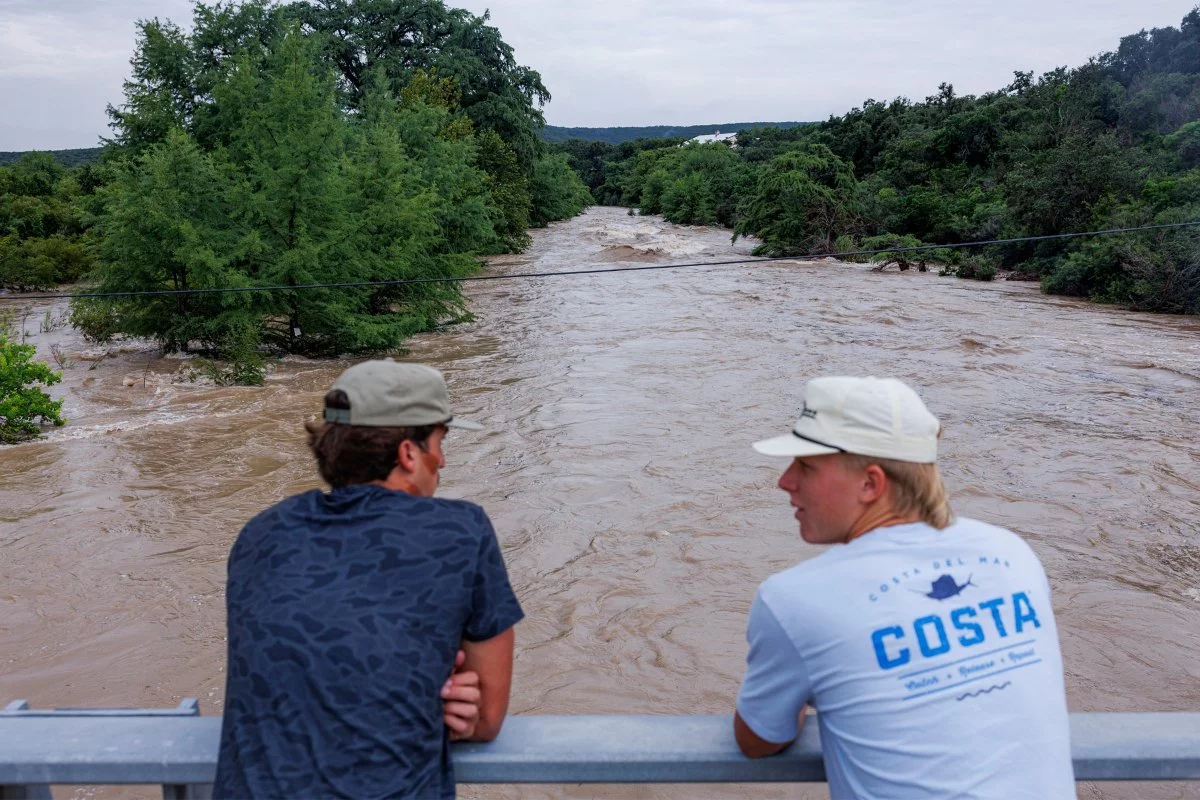
The current North American weather picture is less a sequence of isolated disasters than a single, interlocking risk system. A historic heat dome has pushed over 100 million people across the continental United States into extreme heat warnings, while dozens of wildfires—amplified by smoke from more than 800 active Canadian blazes—degrade air quality across major population and industrial corridors in the Midwest and Northeast. At the same time, Texas is confronting severe flooding for a second consecutive year, with the Guadalupe River region among the hardest hit, as persistent rainfall forces evacuations, causes fatalities, and triggers flood watches across 57 counties.
For business and technology leaders, the defining feature is simultaneity. Heat strains power systems and labor capacity; smoke disrupts health and productivity; floods sever logistics and damage assets. Scientists point to rising global temperatures, increasing carbon emissions, and an active El Niño as key drivers that raise the odds of these overlapping extremes. The operational takeaway is stark: compound events are no longer edge cases. They are becoming a baseline planning assumption for enterprises with national footprints and globally connected supply chains.
Climate intelligence becomes operational intelligence: why forecasting granularity is now a balance-sheet issue
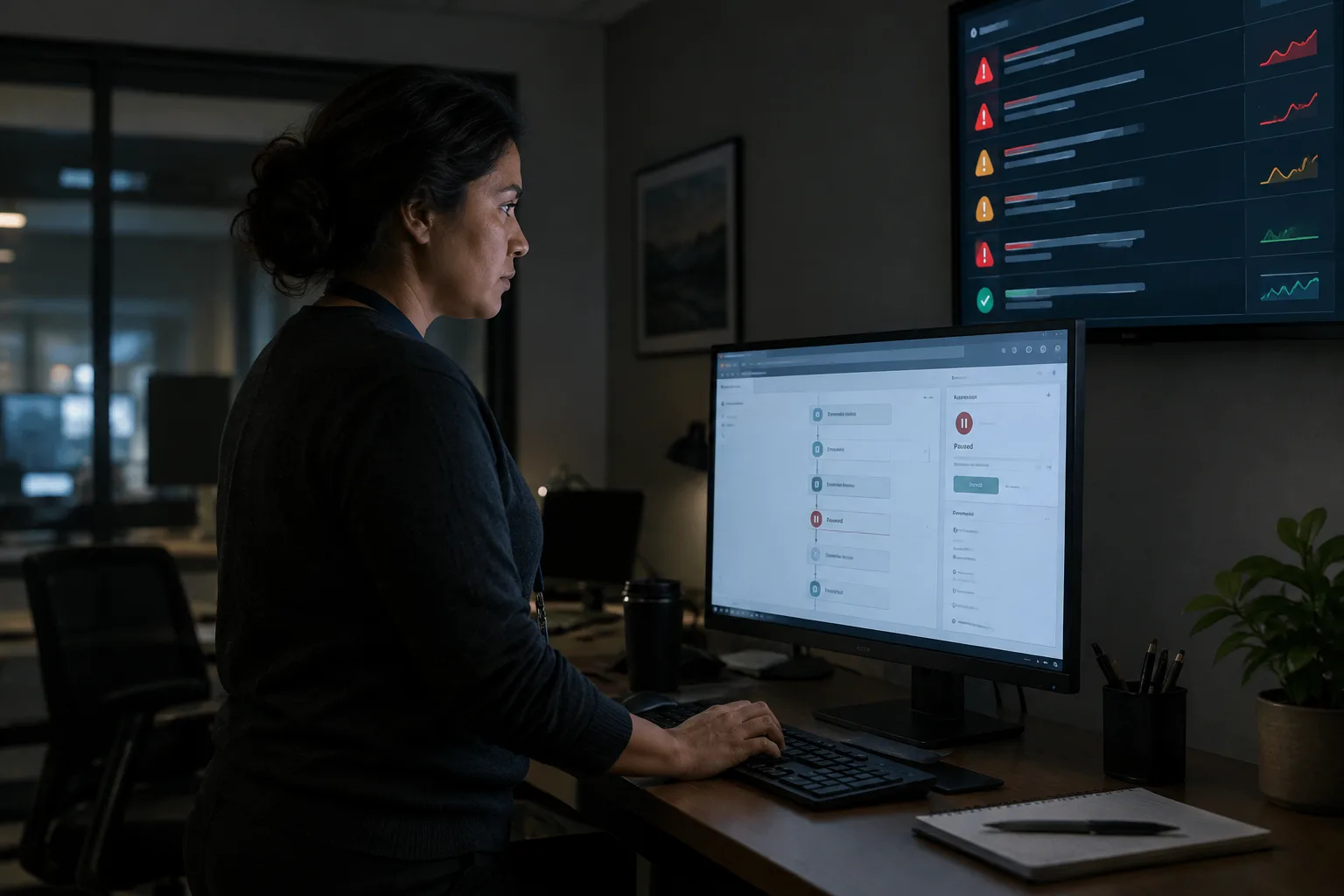
When heat, smoke, and flooding occur in parallel, traditional planning cycles—seasonal outlooks, static hazard maps, annual insurance renewals—can lag reality. The emerging differentiator is granular, real-time climate intelligence that translates atmospheric signals into operational decisions.
Several technology threads are converging to meet that need:
- High-resolution modeling and nowcasting: AI-assisted forecasting can improve lead times for flash floods and refine neighborhood-level heat risk, enabling earlier, more targeted actions—opening cooling centers, staging repair crews, or adjusting shift schedules before conditions peak.
- Edge computing for local responsiveness: Sensors and edge analytics can support rapid decisions when connectivity is constrained—particularly relevant during floods that disrupt networks or during heat events that trigger rolling outages.
- Digital twins for critical assets and networks: Utilities, logistics operators, and large manufacturers are increasingly using digital twins to simulate how heat plus peak demand or flooding plus road closures propagate through systems, revealing bottlenecks that standard stress tests miss.
This is not simply a resilience upgrade; it is a cost-of-capital and continuity question. Better prediction reduces downtime, improves safety outcomes, and can strengthen a firm’s negotiating position with insurers and lenders by demonstrating measurable risk controls. In a market where climate volatility is being priced more aggressively, data-driven preparedness becomes a financial instrument as much as a technical capability.
Infrastructure, health, and the new operating environment: grids, buildings, and workforce protection
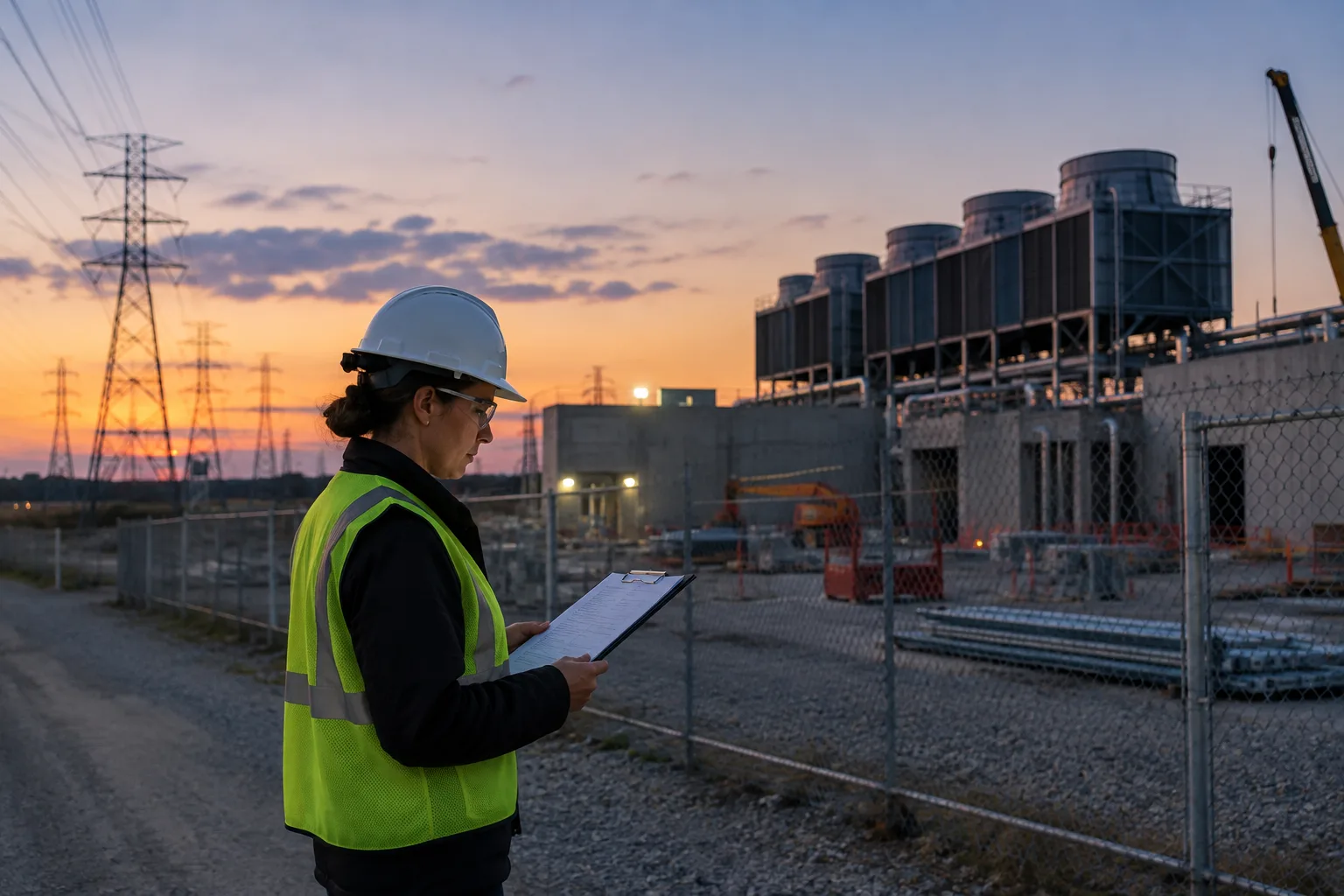
Extreme heat is a direct stress test for aging infrastructure. Sustained high temperatures drive peak electricity demand, accelerate wear on transformers, and increase the probability of localized failures. The business risk is not limited to utilities; it cascades into every sector dependent on reliable power—data centers, cold chains, hospitals, semiconductor fabrication, and retail.
A pragmatic resilience agenda is forming around a few high-impact investments:
- Distributed energy resources (DERs) and microgrids to maintain critical operations during grid stress, especially for campuses, industrial sites, and essential services.
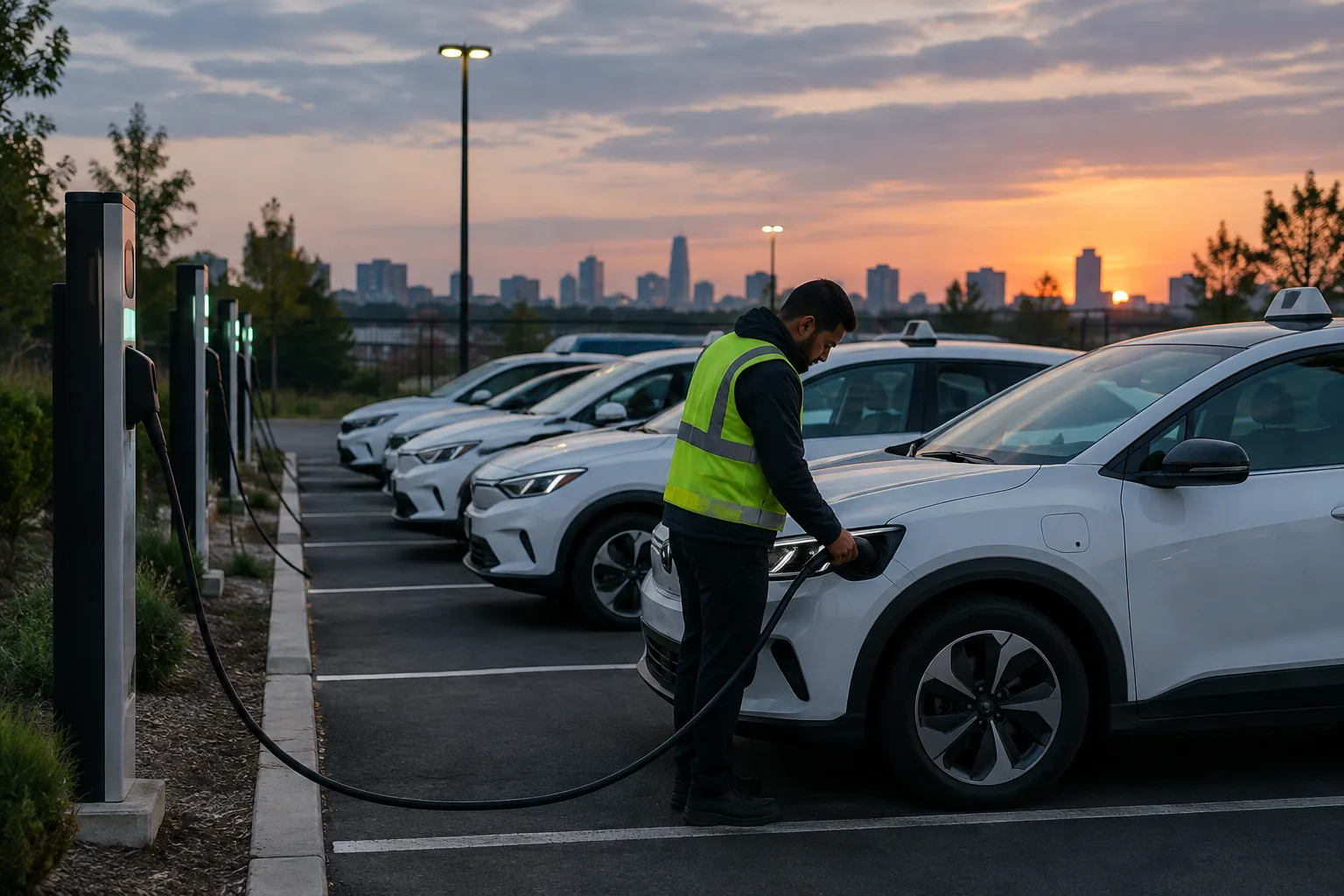
- Energy storage and smart-grid controls to reduce reliance on expensive peaker plants during heat-driven demand spikes and to stabilize voltage under stress.
- Flood-adaptive facility design—from modular barriers and elevated electrical systems to site selection that accounts for changing hydrology—particularly for warehouses, data centers, and transport hubs.
- Air quality management as workplace safety: Wildfire smoke is expanding demand for advanced filtration, indoor air monitoring, and wearable exposure sensors, while telehealth and remote work protocols become part of continuity planning rather than optional benefits.
The workforce dimension is increasingly central. Heat and smoke affect not only health outcomes but also labor productivity, absenteeism, and liability exposure. Companies that integrate real-time air quality and heat indices into scheduling, PPE requirements, and building operations are effectively treating environmental conditions as a dynamic input to human capital management.
Markets and policy: insurance repricing, supply-chain fragility, and the race for predictable frameworks
The economic signal from these overlapping crises is that risk is compounding faster than legacy models were built to absorb. Insurers are recalibrating for multi-hazard exposure, which can translate into higher premiums, tighter terms, or outright exclusions in fire- and flood-prone zones. For corporations, this shifts project economics: resilience spending increasingly functions as risk capital optimization, not discretionary overhead.
Supply chains face a similar repricing. Heat can buckle rail lines and degrade road surfaces; floods can close highways and disrupt regional distribution; smoke can slow outdoor operations and strain public health systems. The result is a renewed premium on:
- Multi-modal routing and redundancy to avoid single points of failure
- Forward contracts and inventory strategies that hedge weather-driven volatility
- Supplier diversification informed by climate exposure, not just cost and capacity
Energy markets add another layer. Heat waves elevate cooling demand and can push utilities toward high-cost dispatch, often from fossil-based peakers, increasing price volatility. Many large buyers are responding by expanding long-term renewable power purchase agreements (PPAs) and investing in on-site generation—moves that hedge both price and reliability risk.
Policy is moving in parallel. Federal and state agencies are expected to expand adaptation funding through mechanisms tied to the Infrastructure Investment and Jobs Act and the Inflation Reduction Act, supporting grid hardening, flood defenses, and wildfire mitigation. For executives, the strategic opportunity lies in public-private partnerships that align corporate resilience investments with public funding criteria.
Meanwhile, governance expectations are tightening. Boards and institutional investors are pressing for stronger climate-related disclosures and scenario analysis (including frameworks such as TCFD and evolving SEC-related expectations). The companies best positioned in this environment will be those that treat climate adaptation as a core capital planning discipline—embedding compound-event stress tests into M&A, financing terms, and facility strategy—because the market is increasingly rewarding preparedness and penalizing ambiguity.
The broader lesson from this week’s weather map is that climate risk is no longer a distant externality; it is an operating condition. Organizations that can convert environmental volatility into actionable intelligence, hardened infrastructure, and credible disclosure will not eliminate disruption—but they will control its cost, protect their people, and preserve strategic freedom when conditions turn.

 By
By
 By
By
 By
By
 By
By

 By
By