
Financial Times reported on November 16 that Uniper is nearing its first deal to sell or lease a disused power-plant site for data-centre development. That would be more than a property transaction. It would be an early proof point for a much bigger idea taking hold in Europe: retired power sites, with their industrial land and existing grid links, are turning into scarce AI-infrastructure options.
The real question for cloud, power and infrastructure investors is not whether these sites look attractive on a map. It is whether a former plant can convert legacy power infrastructure into a bankable data-centre product, or whether the bottleneck simply moves to fiber, cooling, permits, financing and customer contracts.
Uniper’s own data-centre materials show the strategy is real. The utility says it has identified more than ten of its own sites near European data-centre hubs and is exploring tailored energy and infrastructure solutions for developers. The FT report adds the commercialization milestone: a first transaction is close, even if still under negotiation and not yet a public signed deal.
Why these sites suddenly matter
AI infrastructure has made electrical capacity a front-end constraint rather than a back-office utility issue. A hyperscale or large AI campus needs land, but increasingly it needs power first: substations, transmission access, transformers and an interconnection path that does not disappear into a multi-year queue.
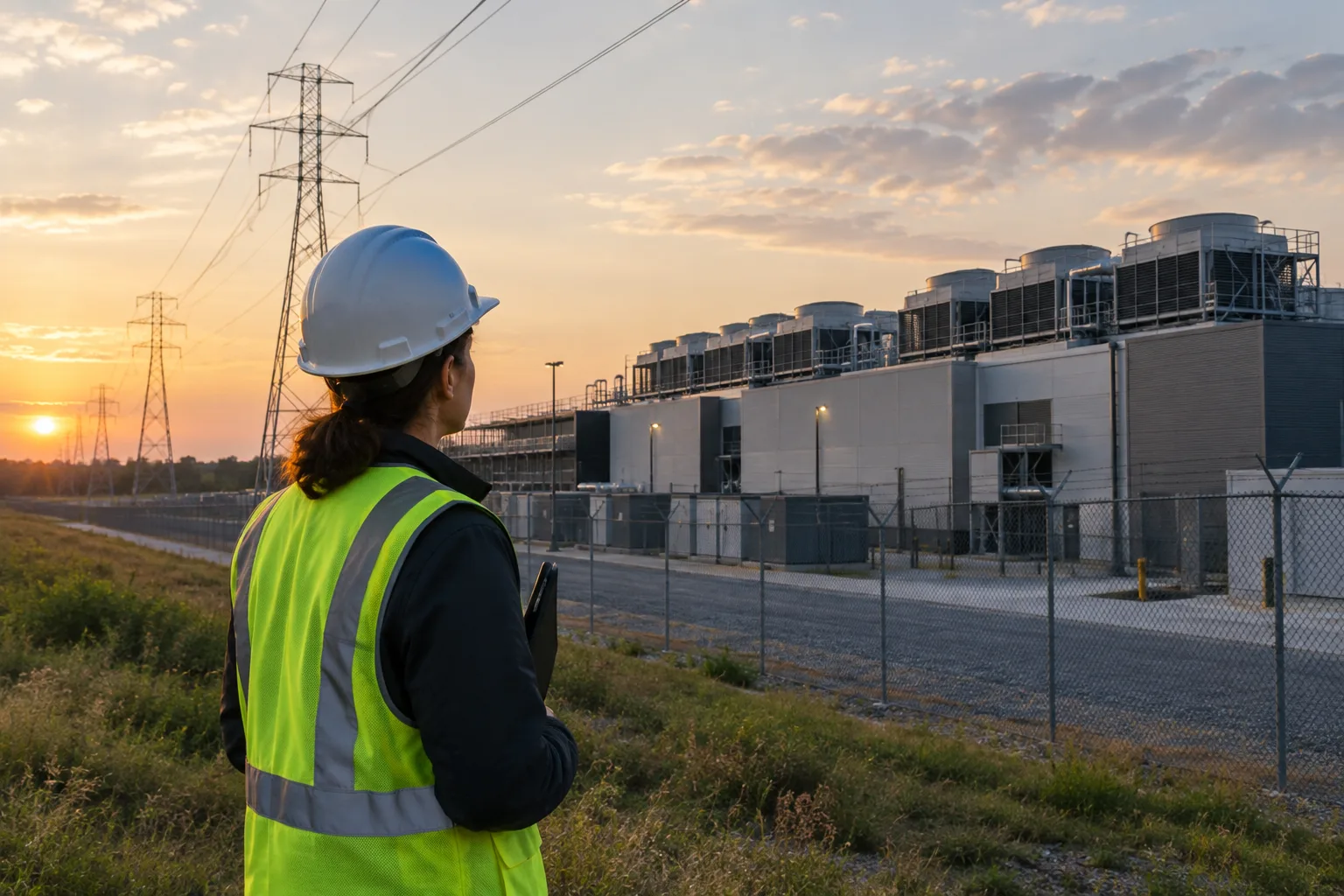
That is why a brownfield power site can command attention. A former plant may already have industrial zoning, roads, utility corridors, cooling-water systems or water treatment assets, natural-gas links and a workforce familiar with heavy infrastructure. In the best case, those inherited assets can remove years of friction from a project timeline.
For Uniper, the appeal is also strategic. The company was rescued by the German state during the 2022 energy crisis and is still working through a longer-term ownership transition and growth narrative. Finding higher-value uses for hard-to-repurpose industrial land fits that story. A former generating site that no longer works economically as a plant may still be valuable as a power-adjacent campus.
For data-centre developers and cloud customers, the incentive is simpler: secure power before competitors do. In a market where prime locations are increasingly defined by megawatts rather than marketing geography, utilities with legacy sites have something the digital sector wants.
What a grid connection does — and does not — solve
The temptation is to treat an old power station’s grid connection as the answer. It is better understood as an opening move.
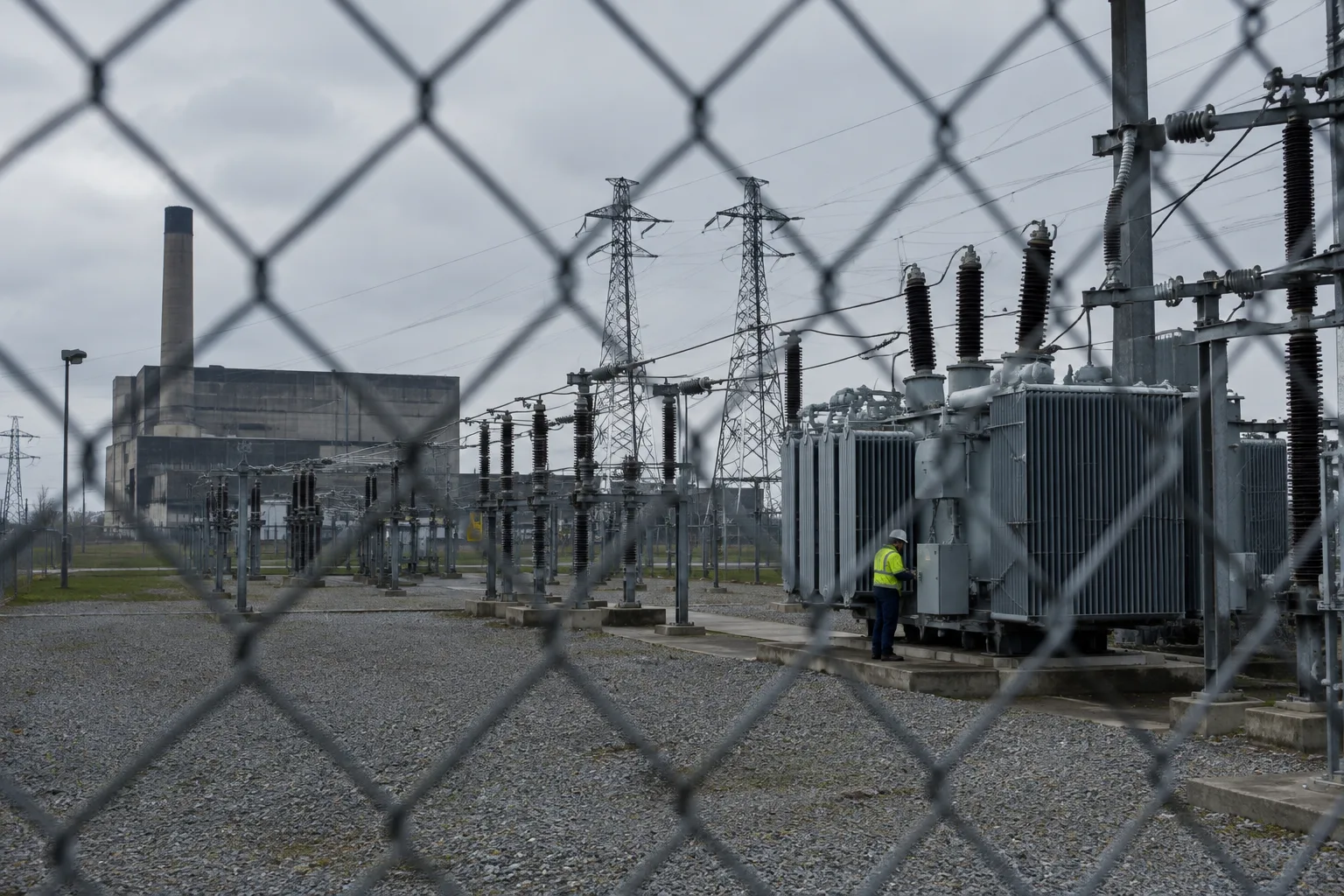
A retired generator’s connection does not automatically become spare, firm data-centre-ready capacity. The connection may have been sized for a completely different operating profile. Network studies may need to be redone. Local transmission congestion can still force upgrades or delays. The developer may also need new transformers, internal distribution equipment and backup arrangements before any server hall can be energized.
Then come the constraints that power people do not solve on their own. A modern data centre needs high-capacity fiber routes, not just electrons. It needs a cooling design that works for the site, whether water-based or more water-efficient alternatives. It needs environmental review, local planning approval, security, construction contractors, and a customer willing to sign a long-term capacity commitment at a price that makes the project financeable.
That is why the current Uniper story matters, but also why it should be read carefully. The public record does not yet name the site, buyer or tenant, transaction value, megawatts of grid capacity, targeted IT load, construction schedule or energization date. There is no disclosed customer offtake agreement, financing package, fiber plan, water plan or permitting status for the first reported deal.
In other words, Uniper appears to be moving from strategy to transaction, but not yet from transaction to operating capacity.
The useful distinction: site asset versus data-centre product
This is the distinction businesses should keep in view. “More than ten sites identified” is meaningful as pipeline creation. It is not the same thing as ten projects, ten campuses or a measurable block of live compute capacity.
A site asset has option value. It can shorten the path to land control and potentially to grid access. It can attract hyperscalers earlier in the siting process. It can also improve a utility’s leverage in negotiations because the package may include power know-how and industrial infrastructure, not just acreage.
A data-centre product is something stricter. It has validated interconnection capacity, a realistic delivery date, a cooling and water solution, fiber connectivity, permits, capital, a paying customer and a clear route to sustained utilization. Until those pieces are in place, the value of a former plant site should be discounted accordingly.
That is especially important around the investment figures circulating around Uniper’s plans. Related reporting has described a broader investment plan of roughly €6 billion by the early 2030s across gas plants and data-centre infrastructure. Uniper’s own materials separately describe about €5 billion between 2025 and 2030 for security of supply and energy-system transformation. Those are not interchangeable numbers, and neither supports the idea that billions have already been committed solely to data centres.
What to watch next
If Uniper announces a signed first deal, the next phase of the story will be about deliverability, not symbolism.
The most important disclosures would be the site name, the amount and firmness of available grid capacity, the expected interconnection date, the transformer plan, fiber routes, cooling and water approach, environmental and planning status, customer commitment and financing structure. The milestone that really changes the investment case is not a memorandum or land transfer. It is the first energized hall followed by sustained occupancy.
That matters beyond one utility. If Uniper can convert even a small number of former power stations into operational data-centre campuses, other European generators will have a template for monetizing legacy assets while helping address digital-infrastructure shortages. If these projects stall after headline announcements, the market will learn that brownfield power sites provide optionality more than dependable near-term capacity.
Right now, the Uniper development is best read as a serious test case. The logic behind it is strong: grid-connected industrial land is becoming strategically valuable in the AI buildout. But the market still has to prove that a good power-site story can survive the harder, slower work that turns an inherited connection into revenue-generating compute.

 By

 By

 By

 By

 By