

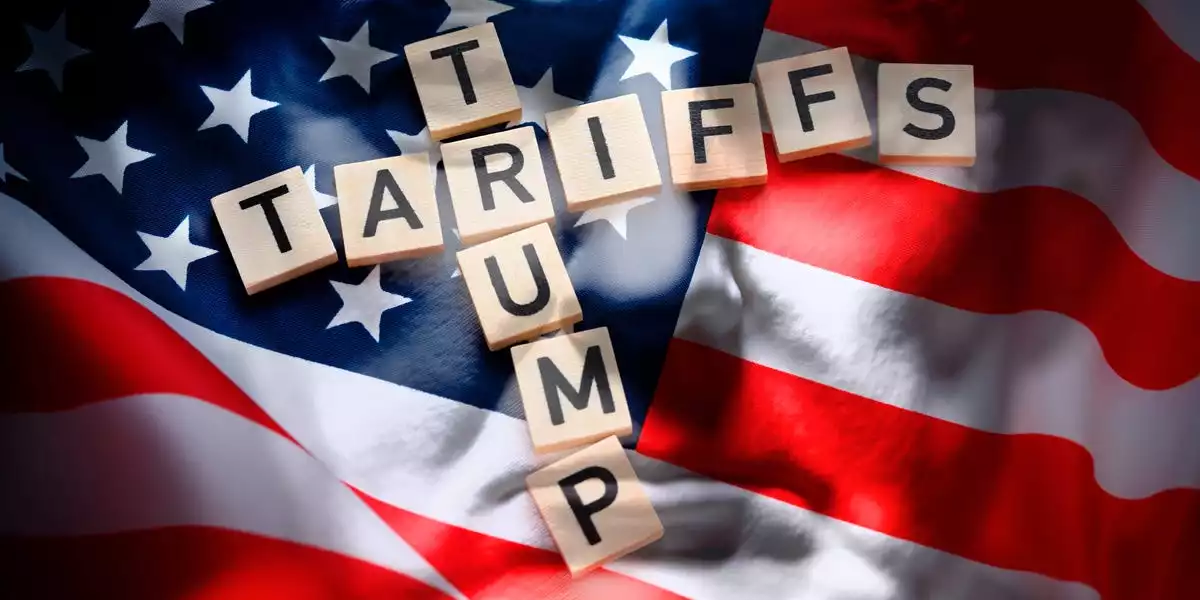

The Tariff Litigation Surge: Multinationals Redraw the Map of Trade Risk
A quiet but seismic shift is underway in the corridors of global commerce. Multinational giants—Costco, Toyota, BYD, Goodyear, Alcoa, among others—are not merely contesting the legality of Trump-era tariffs imposed under the International Emergency Economic Powers Act (IEEPA); they are recalibrating the very mechanics of trade risk, executive authority, and financial strategy. The Supreme Court’s pending review of these tariffs is just the tip of the iceberg. The true battleground, for now, lies in the procedural trenches: the arcane but consequential process of “liquidation” in customs law, a step after which tariff refunds become virtually unattainable.
Procedural Chess: Liquidation as the New Front Line
While the public spotlight lingers on the constitutional question—can a president wield emergency powers for broad industrial tariffs?—the immediate legal theater is more technical, yet no less profound. Under current customs rules, once an import entry is “liquidated,” the duty paid is finalized, closing the door to any refund, even if the underlying tariff is later ruled unlawful.
By targeting the timing of liquidation, rather than the tariff rates themselves, these corporations are engineering a de facto escrow on billions of dollars. This maneuver transforms a niche legal tactic, once the province of small importers, into a systemic stress test for U.S. trade jurisprudence. The implications ripple outward:
- Cash Flow Optionality: For a Fortune 500 importer, each 10-month delay in liquidation preserves the possibility of reclaiming 3–6% of cost of goods sold. For some, this translates to a mid-single-digit uplift in free cash flow—an outcome with tangible impact on earnings guidance and credit metrics.
- Balance-Sheet Signaling: Accounting standards require duties to be expensed unless recovery is “probable.” The litigation, by shifting that probability, could reshape how these companies present their financial health to investors and creditors.
- Market Messaging: The clustered lawsuits send a clear signal to capital markets: these firms are not passive victims of trade-policy volatility, but active risk managers, hedging uncertainty in ways that may sway equity valuations as much as the refunds themselves.
Sectoral Reverberations: From EVs to Aluminum and Retail
The litigation’s echoes are sector-specific, refracting through the unique pressures and ambitions of each industry:
- Automotive & EVs: Toyota and BYD’s legal actions highlight how tariffs complicate the capital-intensive shift toward electrification. Should refunds materialize, the resulting liquidity could fund battery localization or absorb compliance costs under the Inflation Reduction Act, subtly reshaping North American capacity planning.
- Commodities & Materials: Alcoa’s involvement underscores aluminum’s pivotal role in energy transition infrastructure. A rollback would recalibrate cost curves for downstream renewables, narrowing the gap between imported and domestically smelted “green” aluminum.
- Consumer & Retail: For Costco and its peers, razor-thin margins mean tariff uncertainty is existential. In a high-rate, disinflationary environment, the choice to absorb or pass through costs is fraught—making the outcome of these suits a matter of survival, not just accounting.
Operational Adaptations and Strategic Horizons
Behind the litigation, operational realities are shifting. Companies are bunching shipments, leveraging bonded warehouses, and accelerating the adoption of AI-driven customs analytics to track liquidation dates with surgical precision. Supply contracts increasingly feature tariff-contingency clauses, foreshadowing a new era of global sourcing norms.
The strategic ramifications extend far beyond the courtroom:
- Trade Policy Fragmentation: Even if the Supreme Court curtails IEEPA tariffs, alternative levers—Section 301, Section 232, outbound investment screening—remain potent. The litigation is less a harbinger of deregulation than a redefinition of boundaries.
- Executive–Legislative Dynamics: A ruling against the government could spur Congress to codify broader tariff powers, igniting a fresh lobbying arena where industry coalitions will shape the legislative response.
- China-Plus-One Evolution: BYD’s participation signals that Chinese incumbents see U.S. legal recourse, not just supply-chain relocation, as a viable hedge—potentially slowing the migration of high-value manufacturing out of China.
The New Playbook for Corporate Decision-Makers
For executives, the lesson is clear: treat tariff litigation not as a one-off legal skirmish, but as a strategic lever. The scenarios ahead—tariffs upheld, refunds limited, or a broad refund window—each carry distinct implications for capital allocation, M&A, and competitive positioning. Filing protective claims, modeling dual duty assumptions, and investing in advanced trade-compliance platforms are no longer optional. They are the price of admission in a world where trade authority and corporate balance sheets are inextricably linked.
As Fabled Sky Research and other observers note, this wave of litigation is not just about recouping past costs. It is about redrawing the perimeter of U.S. trade authority and redefining how global enterprises navigate the intersection of law, policy, and profit. The outcome will reverberate across boardrooms and supply chains, shaping the next chapter of international commerce.

 By
By
 By
By

 By
By
 By
By
 By
By

 By
By







