
A new flashpoint for the AI economy: hyperscale infrastructure meets hometown politics
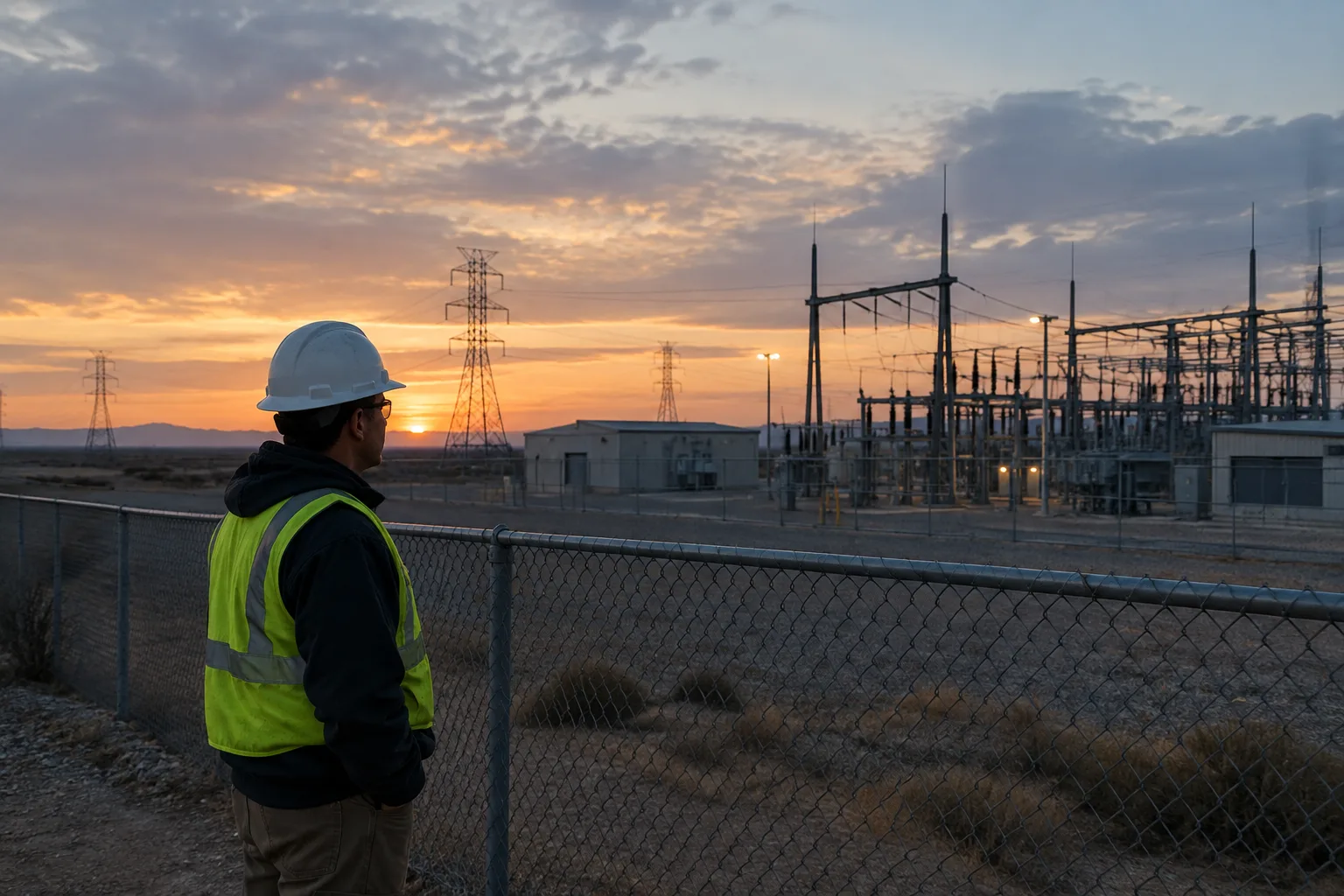
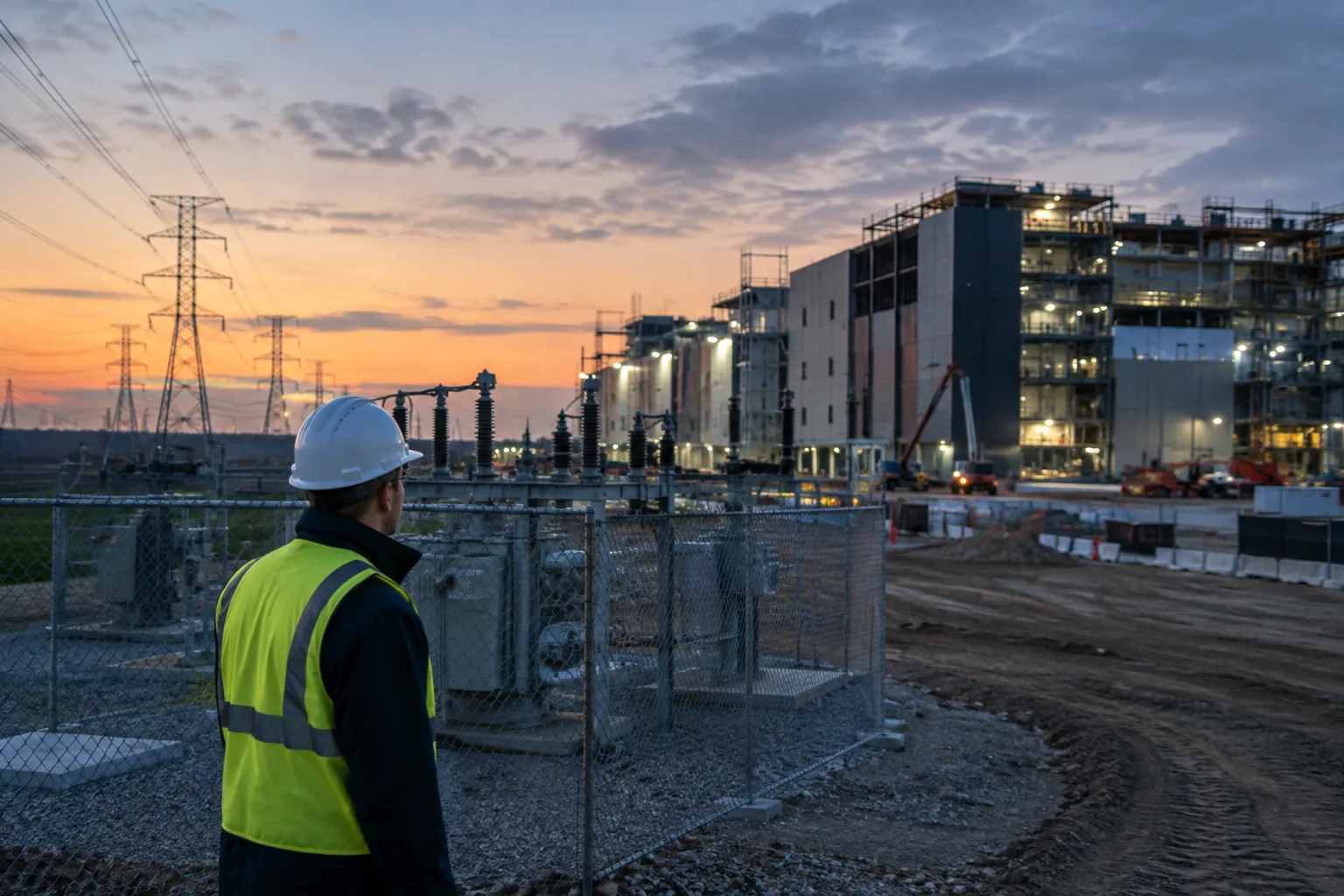
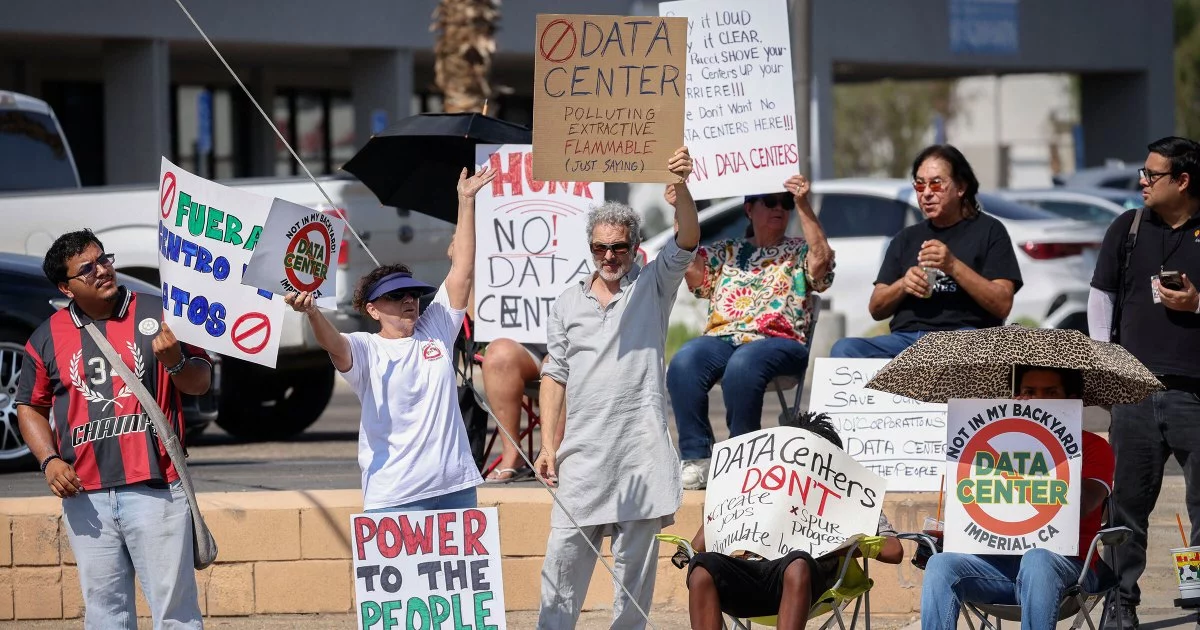
The 2026 wave of protests against proposed data centers across multiple U.S. communities—largely peaceful, yet unmistakably combustible—signals a shift in how the public experiences the digital economy. For years, cloud computing and AI were framed as largely “weightless” growth: software, services, and productivity gains delivered through screens. What these demonstrations underscore is that the AI era is also a land-and-power economy, anchored in physical facilities that must be permitted, powered, cooled, secured, and socially accepted.
At least 37 arrests tied to these protests have become a defining feature of the story, not merely as a law-enforcement statistic but as a proxy for a deeper breakdown in civic trust. Incidents such as the arrest of Pablo Payan, a maintenance manager in Indiana, and Lux Claridge, a physics teacher in Kansas reportedly detained for applauding a fellow demonstrator, have crystallized a perception among residents that public process is being narrowed precisely when stakes are rising. The target of much of the anger—often explicitly—has been Amazon and other large technology firms, accused by critics of benefiting from fast-tracked approvals and incentive packages negotiated with limited public scrutiny.
The protests are not simply anti-technology; they are frequently framed as pro-democracy, pro-transparency, and pro-local stewardship. That framing matters, because it positions data centers not as neutral infrastructure but as a test of whether communities retain meaningful agency in the face of national digital imperatives.
The “invisible” footprint: why data centers feel different on the ground
Data centers are often described as low-profile neighbors: few permanent jobs relative to capital invested, minimal public access, and buildings designed to be operationally discreet. Yet the externalities that animate local resistance are tangible, recurring, and difficult to “value engineer” away.
Key community concerns tend to cluster around:
- Energy demand and grid strain: Hyperscale facilities require large, steady loads. Residents worry about reliability, rate impacts, and whether new demand crowds out other economic uses of electricity.
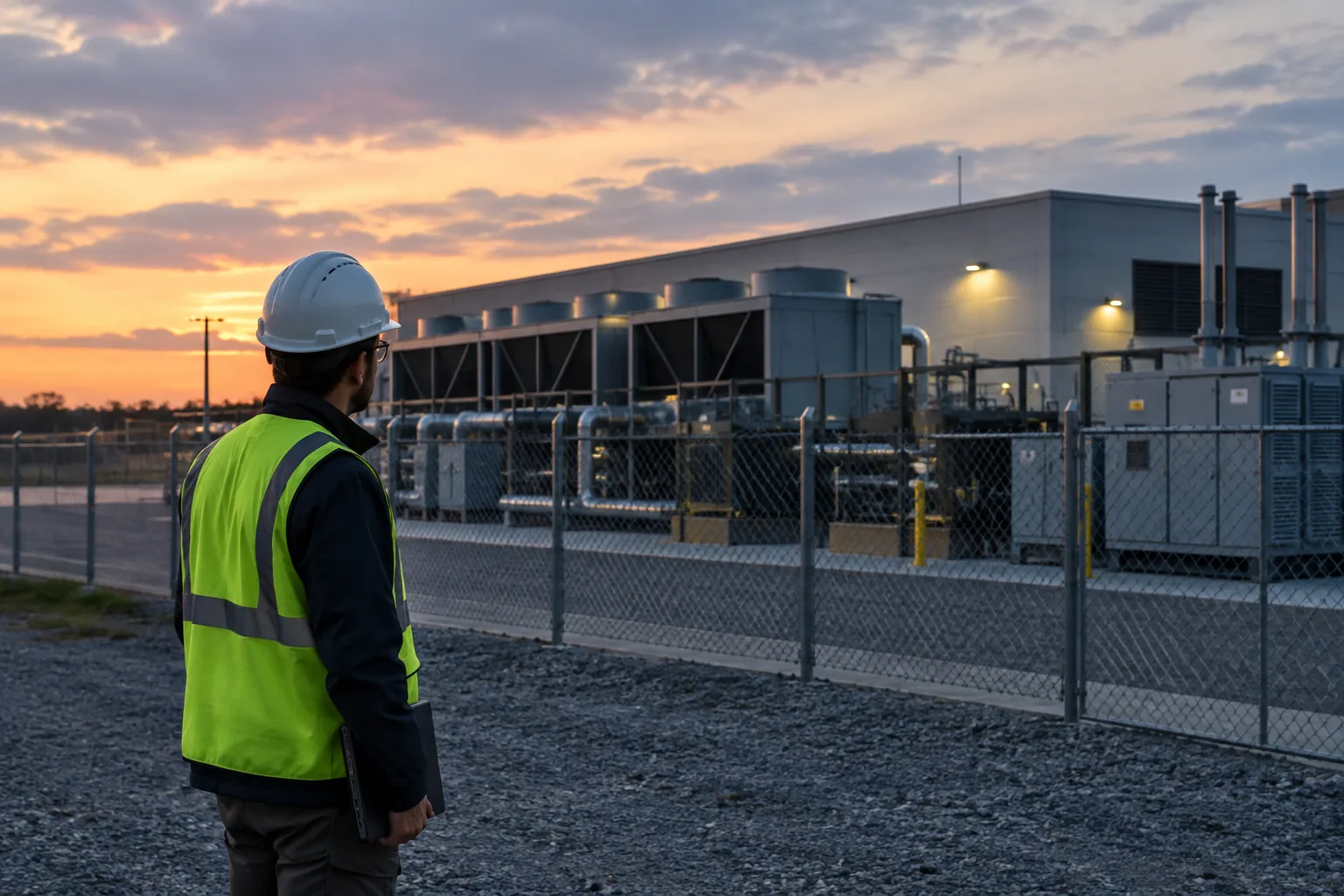
- Water consumption and cooling: In water-stressed regions, cooling becomes a political issue, not just an engineering choice—especially when drought planning and industrial growth collide.
- Noise and air-quality effects: Backup generators, testing cycles, and construction activity can create persistent noise and emissions concerns, even when compliant with existing rules.
- Land use, traffic, and long-term development patterns: Large footprints can reshape rural or suburban land values and alter community character, often faster than zoning frameworks were designed to handle.
This is the paradox of modern compute infrastructure: it is “invisible” in daily consumer life, but highly visible in local resource accounting. Communities may accept roads, ports, or factories as plainly physical. Data centers, by contrast, can feel like an opaque industrialization in service of distant users—especially when the benefits are framed in abstract terms like “capacity” and “latency,” while the costs show up as water draw, diesel testing, and transmission upgrades.
Incentives, legitimacy, and the emerging cost of social friction
The economic argument for data centers has long been built on a familiar municipal playbook: tax abatements, expedited permitting, and discounted utilities in exchange for investment and a halo of “future-proof” development. Protesters are now challenging that model with a sharper question: who captures the upside, and who carries the burden?
Several strategic implications emerge for business leaders and policymakers:
- Incentive regimes are becoming politically fragile: Residents argue that abatements can deprive school districts and county services of revenue, particularly when job creation is modest relative to the scale of concessions.
- Permitting risk is becoming a material line item: Delays, litigation, and ballot-box backlash can disrupt timelines and inflate financing costs—especially amid macro headwinds such as higher interest rates and supply-chain constraints.
- Reputational exposure is no longer peripheral: What once looked like a local zoning dispute can now become a national narrative about corporate power, environmental impact, and democratic voice—issues that increasingly influence consumer sentiment and ESG-focused investors.
The arrests add a further accelerant. When enforcement actions are perceived as disproportionate—particularly in public hearings or quasi-legislative settings—opposition can harden from “not here” to “not like this.” That distinction is crucial: resistance becomes less negotiable when it is rooted in legitimacy and process rather than solely in mitigation demands.
The next operating model: social license as a core metric for cloud and AI expansion
The most consequential takeaway for hyperscalers and their supply-chain partners is that community acceptance is evolving into a gating factor comparable to power pricing, fiber proximity, and interconnection timelines. The industry’s traditional approach—periodic town halls, standardized environmental filings, and economic-impact talking points—looks increasingly mismatched to the intensity and sophistication of local organizing.
A more durable approach is likely to involve:
- Continuous stakeholder engagement, not episodic outreach: sustained local presence, transparent reporting, and mechanisms for communities to influence design choices before plans harden.
- Outcome-based community benefit agreements: tying incentives and project milestones to measurable local outcomes such as school funding floors, water-conservation targets, noise limits, or infrastructure upgrades.
- Design and architecture flexibility: exploring smaller-footprint or modular deployments where feasible, and investing in cooling and energy strategies that reduce visible local strain.
- A “social-license scorecard” in site selection: quantifying stakeholder risk alongside megawatts, land cost, and latency—because opposition can be as schedule-critical as transformer availability.
Regulatory gravity is also building. As protests spread, pressure will likely grow for baseline standards on siting impacts—water use disclosure, noise and emissions parameters, and grid impact studies—potentially extending into interconnection requirements that formalize community-outreach expectations. Meanwhile, disputes over protest policing and meeting conduct raise the prospect of First Amendment litigation that could reshape the rules of civic participation in permitting processes nationwide.
What is unfolding is not a rejection of the digital economy so much as a demand that its physical backbone be governed with the same seriousness as any other major industrial expansion. In the AI era, compute may be the new electricity—but communities are making clear they expect a say in where the power plants of the cloud get built, and on what terms.

 By
By

 By
By


 By
By
 By
By
 By
By