
A “splurge” that signals a broader recalibration in U.S. travel demand
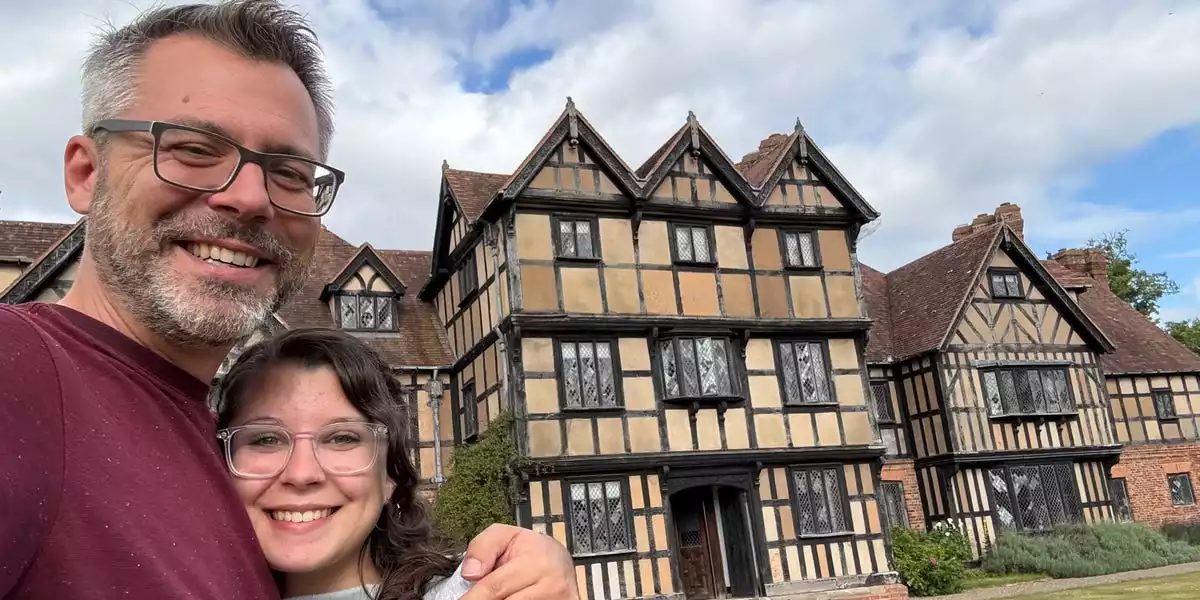
A U.S. family that typically optimized for value—free museums, national-park hikes, modest beach resorts—chose a markedly different summer itinerary: five nights at Severn End, a 15th-century English manor priced at nearly $500 per night. The decision reads, on its face, like a celebratory upgrade tied to a graduation. Yet the more revealing detail is what the family ultimately “bought.” It wasn’t just a bed in the English countryside; it was a contained world: timber-beamed rooms, manicured grounds, a private host (Sir Nicholas Lechmere), and a rhythm of leisure that made the property itself the destination.
This is the experience economy in its most legible form. The family’s highlights were not exclusively the outward-facing excursions—Malvern Hills, Cotswolds—but the micro-moments of curated serenity: croquet on the lawn, river walks, al fresco meals, and even bird-watching from a bathroom window seat. Such details matter because they map to a shifting consumer calculus: travelers increasingly evaluate trips through emotional return on investment (ROI)—connection, calm, and memory density—rather than traditional markers like star ratings or proximity to tourist landmarks.
Several forces converge here:
- Post-pandemic preference for control and privacy, where low-density environments feel inherently safer and more restorative.
- Rising willingness to pay for “high-touch” hospitality, especially when the experience is difficult to replicate through conventional hotels.
- Multi-generational travel as a priority, where the trip’s success is measured by shared time and intergenerational cohesion, not itinerary intensity.
The result is a form of premium travel that is less about conspicuous consumption and more about intentional consumption—a purchase of atmosphere, pace, and togetherness.
Heritage estates become revenue engines—and a new kind of hospitality asset
Severn End also illustrates how heritage properties are being repositioned as an emerging asset class within luxury lodging. Aristocratic estates and legacy real estate holdings carry a built-in differentiator: authentic narrative. Their architectural “patina” and historical continuity function as defensible brand equity—something modern hospitality often tries to simulate through design.
From a business standpoint, these properties are structurally aligned with current demand patterns:
- Low-density, high-margin lodging: Large resorts monetize scale; manors monetize scarcity. Exclusivity is not a marketing claim—it is physically enforced by the asset.
- Monetization of historical equity: Owners can unlock new cash flows through short-term rentals and curated stays while maintaining stewardship of cultural patrimony.
- On-property experience capture: When the estate itself becomes the locus of leisure, the operator captures more of the guest’s time—and therefore more opportunities for ancillary revenue (private dining, guided walks, local partnerships).
For investors and hospitality strategists, the implication is not simply “luxury is back.” It is that story-rich real assets can outperform generic inventory when travelers seek meaning, privacy, and uniqueness. In a crowded marketplace of premium hotels, a manor’s moat is its irreproducibility—you cannot mass-produce a 15th-century narrative, nor can you easily replicate the feeling of inhabiting it.
Platforms, personalization, and the quiet rise of “curated distribution”
The mechanics enabling this shift are increasingly digital. High-end travel is no longer solely brokered through traditional luxury agents; it is being accelerated by curated marketplaces and data-driven matching. Platforms such as Airbnb Luxe and Inspirato (and adjacent luxury operators) reduce friction for affluent travelers seeking distinctive properties while giving owners modern yield tools once reserved for hotels.
Two technology dynamics stand out:
- Curation as a product: In luxury travel, abundance can be a liability. Platforms that filter inventory, standardize expectations, and package services create trust—especially for travelers moving from price-point travel to premium stays.
- Virtual previews and digital twins: High-end guests want certainty. 3D tours, high-fidelity photography, and virtual walk-throughs help set expectations and communicate narrative—critical when the “product” is ambiance and heritage as much as amenities.
Looking ahead, the competitive edge will increasingly come from AI-driven personalization. The same way e-commerce optimized recommendations, luxury hospitality is moving toward itinerary design that reflects life-stage milestones and preferences—graduations, anniversaries, multi-generational reunions—turning a stay into a bespoke sequence of moments. This is where emotional ROI becomes operationalized: not as a slogan, but as a measurable driver of repeat bookings, longer stays, and higher ancillary spend.
Inflation, exchange rates, and why the top end can stay resilient
The macroeconomic backdrop adds nuance. Inflation has pressured household budgets, but it has also reframed spending psychology: some consumers perceive material goods as less satisfying relative to experiences that generate lasting memories. This can create a parallel phenomenon of “experiential inflation,” where higher prices are tolerated because the perceived value is less tied to depreciation and more tied to meaning.
Currency dynamics can cut both ways. A weaker U.S. dollar against the pound would typically dampen U.S. demand for U.K. travel at the margin. Yet the Severn End case underscores a recurring pattern in premium segments: price sensitivity declines as uniqueness and emotional payoff rise. When the purchase is a once-in-a-decade family milestone—privacy, beauty, and togetherness—rate cards become less determinative than narrative fit.
For hospitality leaders, real estate investors, and travel-tech platforms, the signal is clear: the next phase of luxury travel growth is not merely about adding amenities. It is about engineering calm, packaging heritage into modern service standards, and using technology to make personalization feel effortless rather than intrusive. The families who once optimized for bargains are not necessarily abandoning value—they are redefining it, one manor stay at a time.

 By
By
 By
By


 By
By

 By
By
 By
By