

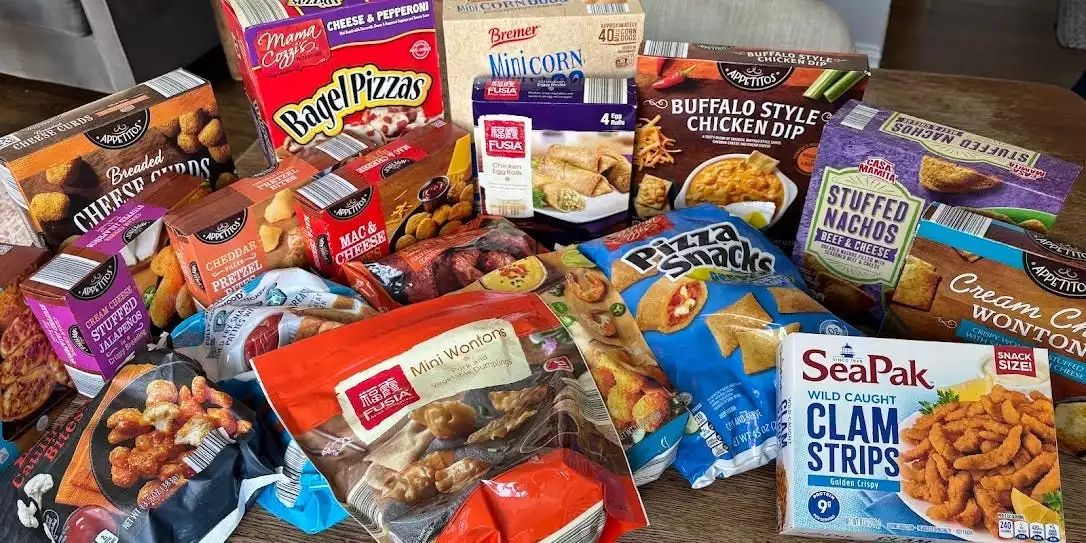

The Frozen Appetizer Aisle: A Microcosm of Retail Reinvention
Beneath the playful veneer of a Super Bowl snack taste test, Aldi’s 18-item frozen appetizer lineup reveals a crucible where the future of food retail is being forged. The ranking—oscillating from underwhelming buffalo dip to the lauded shrimp queso bites—serves as more than a consumer guide; it’s a window into the tectonic shifts shaping grocery economics, private-label ascendancy, and the relentless pursuit of convenience.
Private-Label Prestige and the Science of Sensory Delight
Aldi’s dominance in the frozen-appetizer segment is not accidental. The proliferation of in-house brands—Appetitos, Kirkwood, Casa Mamita—signals a strategic pivot: private labels are no longer content to compete solely on price. Instead, they are staking their claim on flavor complexity and experiential novelty. The shrimp queso bite, with its peppery undertones and creamy finish, stands as a testament to this new order, where value grocers dare to challenge national brands on culinary merit.
- Premiumization in Value Retail: Aldi’s willingness to introduce higher price points within its private-label umbrella, even for budget-conscious shoppers, reveals a calculated bet: consumers will pay a premium for products that surprise and delight, provided the brand trust is strong.
- R&D as Differentiator: The meticulous attention to texture—think cauliflower bites that retain their crispness post-sauce—hints at sophisticated investments in batter technology and flash-freeze protocols. These are not the hallmarks of a “race to the bottom” retailer, but rather signals of a food-science arms race playing out in the frozen aisle.
Inflation, Innovation, and the New Economics of Indulgence
Inflationary pressures have forced grocers and manufacturers alike to rethink the economics of indulgence. Observers note smaller protein ratios and muted seasoning in some offerings—a subtle nod to cost engineering. Yet, Aldi’s approach is far from mere austerity. Cheese-stuffed pretzels, for example, deliver a sense of indulgence at a fraction of the protein cost, protecting margins without alienating the consumer.
- Strategic Portioning: By rebalancing ingredient ratios, Aldi manages to keep price points approachable while maintaining the illusion of abundance.
- Agile Assortment Management: The retailer’s narrow SKU philosophy allows for rapid iteration. Star performers can be fast-tracked to permanent status, while underperformers quietly exit, mirroring the agile sprints familiar to technology companies.
The Tech-Driven Future of Frozen Convenience
The frozen-appetizer boom is inseparable from the broader convenience revolution. As household time constraints intensify, demand for “heat-and-eat” solutions spikes—particularly around cultural touchpoints like the Super Bowl. This has catalyzed a wave of innovation across the supply chain, with implications for technology providers, CPG manufacturers, and last-mile logistics.
- Cold-Chain Visibility: The increased churn of frozen SKUs places a premium on IoT-enabled temperature monitoring and predictive spoilage analytics, ensuring quality from warehouse to doorstep.
- AI-Driven Flavor Mapping: Advanced analytics—correlating purchase data with consumer sentiment—enable rapid, data-driven tweaks to flavor profiles, reducing the risk of national rollouts.
- Last-Mile Fulfillment: As platforms like Instacart and DoorDash promise sub-60-minute delivery, new standards for insulated totes and micro-fulfillment freezers are emerging, reshaping both capex planning and gig-worker protocols.
Emerging Frontiers: Air Fryers, Local Flavors, and Sustainability
Looking ahead, the frozen-appetizer aisle is poised for further transformation:
- Air-Fryer Native SKUs: With air fryer adoption exceeding 40% of households, expect a new generation of products engineered for this appliance, promising superior crunch and energy efficiency.
- Hyper-Localized Offerings: Aldi’s centralized buying model may soon give way to regional, limited-time flavors—think micro-batch releases tied to local sports franchises—powered by dynamic shelf-space allocation and real-time demand sensing.
- Ingredient Transparency: As consumer scrutiny intensifies, certifications around shrimp sourcing, cage-free poultry, and recyclable packaging will become critical differentiators, even for game-day snacks.
For retail executives, the imperative is clear: harness rapid post-event SKU reviews, leveraging net promoter scores and social sentiment to refine future assortments. CPG innovators must blend regional flavor cues with advances in textural science, while technology leaders double down on cold-chain telemetry and predictive demand algorithms.
What appears, at first glance, as a whimsical ranking of frozen snacks is, in fact, a high-stakes laboratory for the future of grocery retail. Here, private-label innovation, supply-chain agility, and data-driven product design converge—offering a blueprint for those willing to read between the lines, and a warning for those who do not.

 By
By

 By
By
 By
By
 By
By

 By
By
 By
By







