

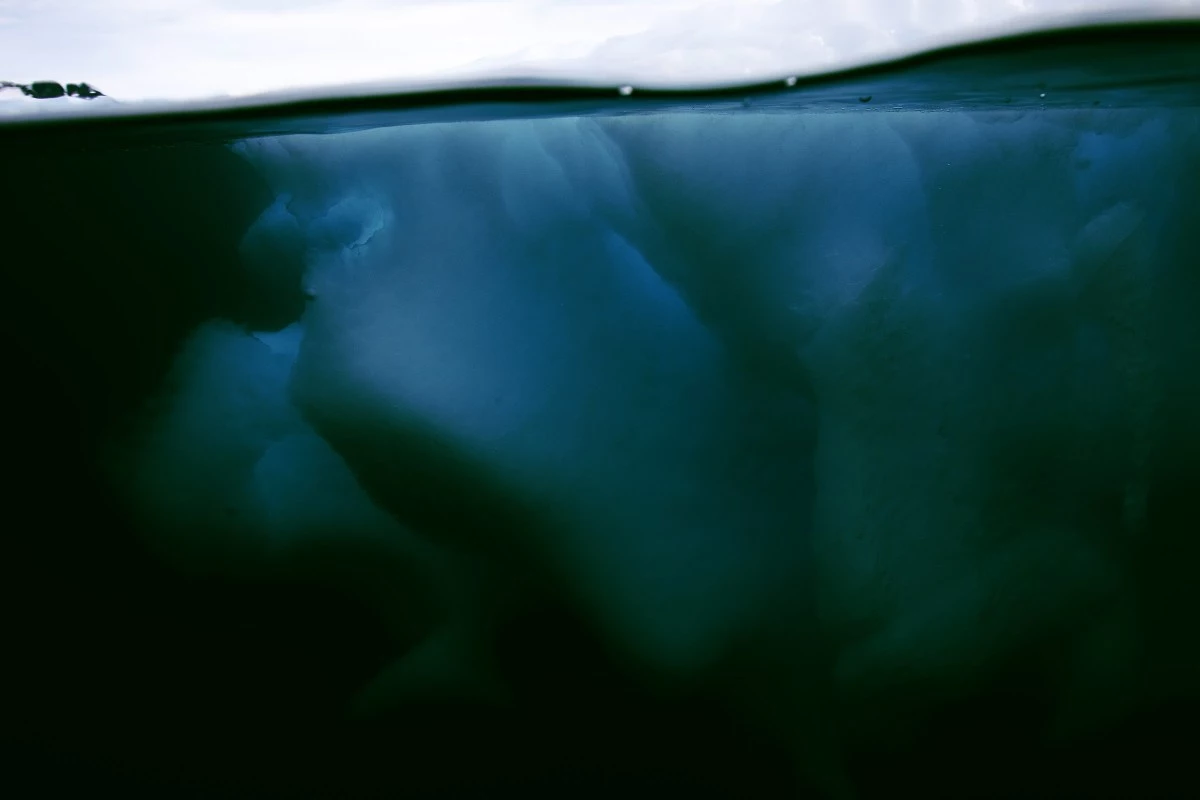

Beneath the Ice: The High Stakes of Thwaites Glacier Observation
The Thwaites Glacier, ominously dubbed the “Doomsday Glacier,” sits at the edge of Antarctica as both a scientific enigma and a harbinger of global risk. In a recent, closely watched expedition, a multinational team attempted to pierce the glacier’s depths with advanced instrumentation, only to be thwarted 800 meters short of their target by the unforgiving mechanics of ice and time. While their principal sensor package remains marooned, a smaller probe managed to relay the first direct data from beneath Thwaites’ central trunk—revealing fast-moving, above-freezing seawater where solid cold was once presumed. The episode is more than a tale of technical frustration; it is a vivid demonstration of how the accelerating pace of Antarctic ice loss is outstripping the capabilities of our most sophisticated monitoring technologies.
Engineering at the Edge: Limits and Leaps in Polar Sensing
The attempt to drill a 3,300-foot, 30-centimeter borehole through Thwaites’ dense ice highlights the razor-thin margins of today’s field-deployable drilling systems. Hot-water drilling, the technique of choice, is a race against time: the borehole begins to vitrify within 48 hours if heating ceases, compressing mission timelines and leaving little room for error. Instrument payloads, meanwhile, are caught between the bulk and fragility of conventional oceanographic moorings and the promise of next-generation cryorobotics—miniaturized, self-propelled devices that remain largely experimental.
Key technological constraints include:
- Thermal Bottlenecks: The need for continuous heating or risk of rapid borehole closure.
- Payload Vulnerability: Bulky, tether-dependent sensors are difficult to recover or replace.
- Data Fragmentation: Interoperability remains elusive; integrating cryosphere data into global digital-twin climate models demands common schemas and edge-AI pre-processing to manage noise under severe bandwidth limits.
Yet, the partial success of the pilot probe signals a paradigm shift. The future lies not in singular, “hero” instruments, but in swarms of inexpensive, disposable devices—each feeding data into satellite backbones and, ultimately, into the AI-driven climate models that will inform global policy and finance.
Economic Reverberations: From Coastal Risk to Capital Flows
The implications of Thwaites’ instability ripple far beyond the ice. The glacier alone buttresses ice sheets capable of raising global sea levels by up to 65 centimeters. According to IPCC scenarios, this translates into an estimated $12–15 trillion of exposed coastal real estate, with direct impacts on ports, refineries, fiber-optic landing stations, and the insurance portfolios that underpin them. The data gap left by the aborted mission is not merely academic; it widens the uncertainty that already haunts catastrophe-risk models, prompting insurers to withdraw from high-risk zones and driving up municipal borrowing costs.
Financial and strategic signals are clear:
- Capital Allocation Shifts: Persistent logistical failures in polar science may accelerate investment into autonomous sensing startups, echoing the broader pivot from crewed to robotic space exploration.
- Resilience as Asset Class: Ruggedized sensing infrastructure is emerging as a new category of resilience asset, potentially qualifying for green-bond treatment as performance metrics mature.
- Geopolitical Stakes: Nations with reliable polar robotics gain leverage in climate negotiations and early warning capabilities, while data asymmetry threatens to skew everything from shipping insurance to carbon pricing.
Supply chain dynamics are also in flux. As ports from Singapore to Rotterdam model Arctic route volatility, the specter of accelerated Thwaites melt could redirect investment toward inland intermodal hubs and elevate the strategic value of trans-Eurasian rail.
Innovation Imperatives: Cryorobotics, Edge AI, and the Future of Climate Risk
The Thwaites episode exposes a critical market gap: robust, low-drift communication stacks that function through kilometers of shifting ice. The intersection of cryorobotics and extreme-environment IoT is ripe for disruption, with potential crossover from deep-water oilfield service firms able to repurpose fiber-optic sensing and high-pressure tooling for glaciology as hydrocarbon capital expenditure wanes.
Opportunities and recommendations for industry and policymakers include:
- Modular, Disposable Sensors: Vendors should prioritize architectures designed for mission loss, accepting hardware attrition as a cost of doing business at the planet’s extremes.
- Portable, High-Density Energy: The 48-hour thermal deadline spotlights the need for solid-state batteries, micro-reactors, or hydrogen fuel cells to extend operational windows.
- Edge AI-Enabled Drilling: Real-time mapping of ice heterogeneity could cut thermal loads and double mission durations.
- Open Data Standards: Mandating interoperability and disclosure of Antarctic exposure in regulated stress tests will be crucial for capital markets.
- Resilience Bonds and Insurance: Corporations should hedge against data uncertainty through layered insurance and resilience bonds, treating current IPCC sea-level projections as lower bounds until continuous Thwaites data is secured.
Should a successor mission by 2027 confirm sustained under-ice warming, the world may witness a repricing event in coastal debt markets on the scale of the 2017 hurricane-driven municipal bond sell-off—potentially triggering unprecedented central bank interventions.
The Thwaites setback is a clarion call: our scientific and financial instruments are lagging behind the physics of rapid ice loss. Bridging this chasm will demand the fusion of autonomous systems, edge computing, and innovative finance—a frontier where the boldest actors will transform urgent scientific necessity into enduring strategic advantage.

 By
By
 By
By

 By
By
 By
By

 By
By
 By
By







