
The Hidden Architecture of Olympic Triumph: Lessons from Gwen Jorgensen’s Gold
Beneath the gleaming surface of Gwen Jorgensen’s 2016 Olympic gold in the women’s triathlon lies a latticework of logistics, data, and economic ingenuity—an undercurrent as instructive for boardrooms as for locker rooms. The Rio victory, often celebrated as a testament to athletic prowess, is equally a masterclass in operational design, micro-supply chain orchestration, and the alchemy of brand value creation. For business and technology leaders, the episode offers a living blueprint of how high-performance environments are engineered, monetized, and scaled in real time.
Micro-Supply Chains and the Quantified Athlete: A New Model for Operational Agility
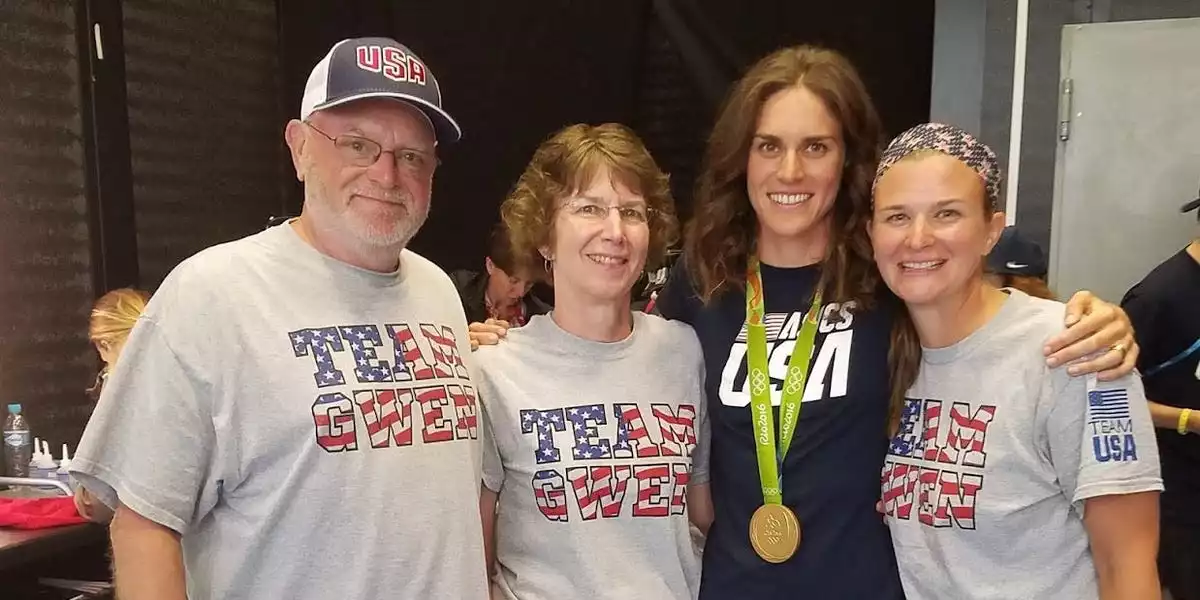
Jorgensen’s decision to forgo the Olympic Village in favor of a private hotel was more than a personal preference—it was a calculated move to create a controlled micro-environment, echoing the corporate world’s shift toward bespoke innovation hubs. This choice, however, introduced a cascade of last-mile logistical challenges, from hydration management to equipment transport, deftly handled by an ad-hoc family “ops team.” The parallels to enterprise logistics are striking: ultra-agile, human-scale support networks now rival traditional monolithic structures in their ability to deliver just-in-time solutions.
Elite triathletes like Jorgensen, early adopters of telemetry, biomechanical sensors, and AI-guided training regimens, exemplify the quantified athlete ecosystem. Their embrace of predictive analytics mirrors the enterprise’s own journey toward data-driven talent management and operational optimization. The supporting technology stack—secure connectivity, mobile health records, real-time tracking—foreshadows the remote-work infrastructure decisions now standard across global firms. In both arenas, agility and data fluency are not merely advantages; they are prerequisites for peak performance.
Brand Economics and Narrative Capital: The Gold Medal as a Catalyst
The economic reverberations of Jorgensen’s gold were immediate and profound. A first-ever U.S. women’s triathlon gold did not just elevate an individual; it expanded the addressable market for sponsors aligned with endurance sports, female athletic leadership, and quantified-self technologies. Market research consistently shows that Olympic gold can deliver a five- to tenfold multiplier in endorsement income, validating the multi-year investments by apparel, nutrition, and data-analytics partners.
This surge is not confined to the athlete. Historical data reveals a 15–25% post-Olympics spike in participation and equipment sales within the medalist’s discipline, creating a transient but lucrative demand shock. Forward-thinking executives in adjacent markets—wearables, tele-coaching, endurance tourism—would do well to calibrate inventory and marketing spend to capture these fleeting opportunities.
Yet, the most enduring asset may be narrative capital. The authentic, family-centric storytelling that followed Jorgensen’s win outperformed generic brand messaging across digital channels. In an era where consumers crave transparency and relatability, corporations are increasingly translating these insights into employee-ambassador programs and supply-chain narratives that resonate with socially attuned audiences. The emotional arc of parental involvement, in particular, generates measurable engagement metrics, offering a playbook for marketers seeking to recalibrate influencer portfolios toward verifiable authenticity.
Strategic Inflection Points: Data Sovereignty, Micro-Logistics, and Gender-Equity Investment
The Jorgensen episode signals several inflection points for decision-makers:
- Athlete-as-Platform: The convergence of sports performance, content creation, and direct-to-consumer commerce is accelerating. Firms that deliver modular services—streaming infrastructure, tokenized fan engagement, personalized merchandising—are well positioned to capture emergent revenue streams.
- Data Sovereignty in Performance: As biometric data becomes an intellectual property asset, stricter governance frameworks will emerge, akin to those in financial services. Technology leaders must architect privacy-by-design into wearables and analytics offerings to stay ahead of regulatory curves.
- Resilient Micro-Logistics: The improvised family support model prefigures the broader adoption of ultra-agile, last-meter logistics solutions—dark-store networks, drone delivery—in both consumer goods and enterprise supply chains.
- Gender-Equity Investment Thesis: Jorgensen’s victory provides empirical ballast for the commercial viability of women’s sports. Asset managers and corporates can pursue differentiated returns by targeting undervalued women’s leagues, athlete-led startups, and gender-balanced sponsorship portfolios.
Strategically, organizations should consider embedding athlete-style performance analytics into executive development, piloting scalable micro-logistics partnerships, and allocating budgets to women’s sports tech and media before valuations surge. Above all, narrative authenticity must be treated as a measurable KPI, with first-party data validating its impact on brand and ESG strategies.
From the vantage point of technology and business strategy, Gwen Jorgensen’s Olympic moment is not merely a sporting milestone—it is a living case study in how data fluency, agile logistics, and story-driven economics now define the frontier of human and organizational achievement. For those attuned to these signals, the future belongs to enterprises as adaptive, resilient, and authentic as the champions they admire.

 By
By

 By
By
 By
By
 By
By


 By
By