


A reseller discount that spotlights the new economics of gaming access
A limited-time offer from third-party marketplace Eneba is drawing fresh attention to Microsoft Xbox Game Pass Ultimate, the company’s flagship subscription that bundles first-party releases, online multiplayer, and a rotating third-party catalog across Xbox consoles and Windows PCs. The pricing delta is the headline: while the service is typically positioned at $29.99 per month (or $69 for three months), the reseller listing cited brings a three-month term to $39.01, a steep reduction that effectively reframes Game Pass as a “high-value entry ticket” rather than a premium recurring bill.
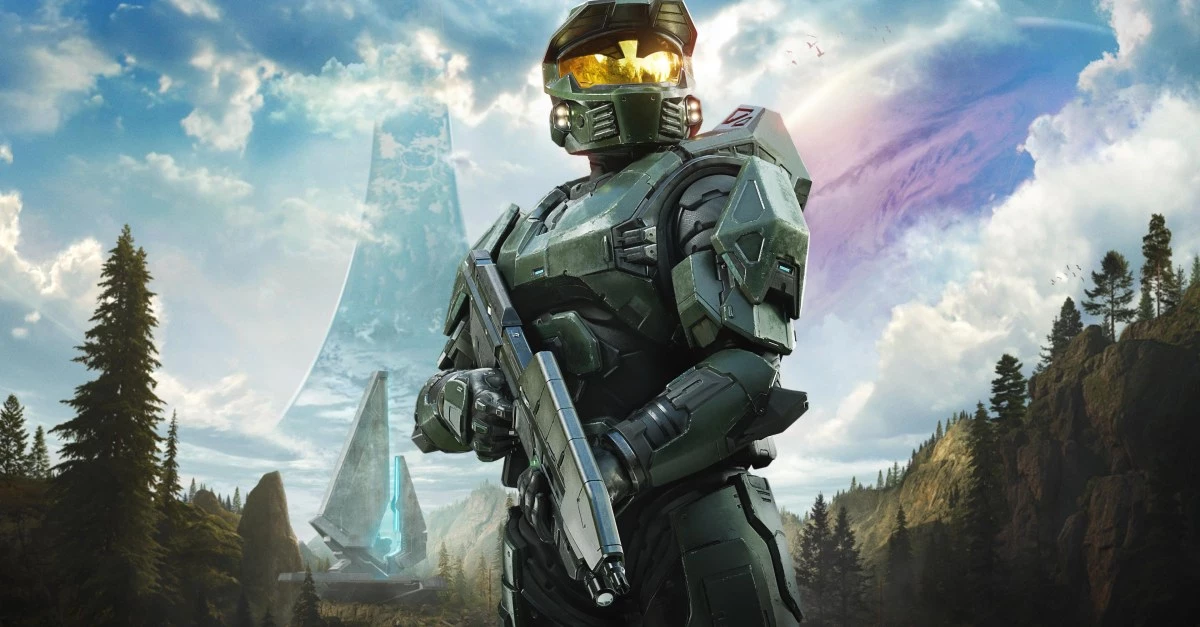
The timing is also strategically resonant. The promotion lands just ahead of the July 28 release of *Halo: Campaign Evolved* (listed at $49.99), creating a classic subscription proposition: pay less than the cost of a single new release and gain immediate access not only to the marquee title (if included at launch, as Microsoft often does with first-party content) but to the broader library that keeps engagement high after the initial hype cycle fades.
For consumers, the appeal is straightforward—more playable hours per dollar at a moment when entertainment budgets are increasingly scrutinized. For the industry, the signal is larger: gaming’s center of gravity continues to shift from unit sales to recurring access, with pricing tactics that look increasingly like those of streaming video, telecom bundles, and SaaS.
Microsoft’s ecosystem play: lock-in, network effects, and cross-device gravity
Game Pass Ultimate is not merely a catalog; it is an ecosystem instrument. By nudging players toward multi-month commitments—especially at a discount—Microsoft strengthens what strategists often call platform stickiness. The longer a subscriber remains active, the more likely they are to:
- Anchor their social graph inside Xbox services (friends lists, co-op habits, cross-play routines)
- Standardize their device choices around Xbox consoles, Windows PCs, and compatible controllers
- Increase usage of Microsoft’s cloud gaming (xCloud) capabilities where available, turning “play anywhere” into a retention lever
The cross-platform nature of Game Pass—spanning console and PC via the Xbox app—amplifies network effects. A shared library reduces friction for group play (“What do we all own?” becomes “What’s in the catalog?”), which can lower churn by making the subscription feel like a social utility rather than a discretionary purchase.
This is where a pre-release window matters. Big launches create spikes, but the subscription model’s real advantage is what happens after the spike: a well-stocked library and steady content cadence can convert a one-time “Halo month” into a longer habit. In that sense, the Eneba deal functions as a low-friction on-ramp into Microsoft’s broader engagement loop.
The gray-market question: acquisition channel or margin leakage?
Eneba’s role highlights a more complicated reality in digital distribution: reseller marketplaces can act as tactical growth channels, especially for price-sensitive segments that might otherwise delay or avoid subscribing. For platform holders, this can be attractive because it enables promotional reach without permanently lowering the official list price—a key consideration for preserving premium positioning and avoiding a race to the bottom.
At the same time, reseller-driven discounting introduces trade-offs that executives and investors watch closely:
- Price integrity risk: Frequent deep discounts can train consumers to wait for deals, weakening willingness to pay at list price.
- Data visibility gaps: Subscriptions acquired through intermediaries may reduce direct insight into attribution, cohort quality, and lifecycle behavior—metrics that matter for optimizing retention.
- Fraud and compliance exposure: Reseller ecosystems can attract questionable sourcing or regional arbitrage, requiring stronger verification and governance.
- Margin dynamics: Even if subscriber counts rise, the economics depend on how revenue is shared and whether discounted cohorts retain at acceptable rates.
In practice, the strategic bet is that discounted acquisition can still be rational if it increases lifetime value (LTV)—particularly when engagement leads to downstream monetization such as DLC, cosmetics, expansions, and other in-game purchases. The crucial variable is not the initial discount; it is whether the cohort becomes sticky and spends over time.
What this signals for subscription strategy: dynamic pricing, cloud bundling, and churn science
The deeper story is that Game Pass is part of a broader redefinition of the “unit” of gaming commerce. The industry is increasingly selling gamer-months rather than individual games, optimizing around ARPU (average revenue per user), retention curves, and engagement depth. Temporary discounts can depress near-term ARPU, but they may still be value-accretive if they improve long-run retention and expand the addressable market.
Several forward-looking implications stand out:
- Dynamic pricing will become more algorithmic: Expect more time-bound offers, geo-targeted pricing, and loyalty mechanics designed to maximize subscriber mix while limiting cannibalization.
- Tier experimentation is likely: Lighter tiers—franchise-focused, mobile-oriented, or streaming-first—could broaden reach while protecting premium ARPU for Ultimate.
- Cloud gaming becomes a bundle lever: As streaming performance improves, platforms can differentiate tiers by streaming rights, latency guarantees, or device flexibility—monetizing data-center capacity and reducing hardware dependency.
- Subscription fatigue will be the defining risk: With consumers juggling multiple recurring services, retention will hinge on cadence and community—mid-tier releases, indie discovery, live events, and social features that make cancellation feel like opting out of a shared space.
Regulatory scrutiny may also rise as bundles and ecosystem incentives deepen. Tie-in practices, reseller arbitrage, and cross-industry packaging (gaming plus connectivity, for example) can attract attention in jurisdictions with strict competition frameworks—making compliance design and transparency increasingly strategic, not merely legal.
Taken together, the Eneba discount is more than a bargain; it is a compact illustration of where gaming is headed: access over ownership, ecosystems over single titles, and pricing sophistication over static MSRP logic—with the next competitive edge belonging to the companies that can convert discounted entry into durable, high-engagement membership.

 By
By
 By
By
 By
By


 By
By
 By
By
 By
By







