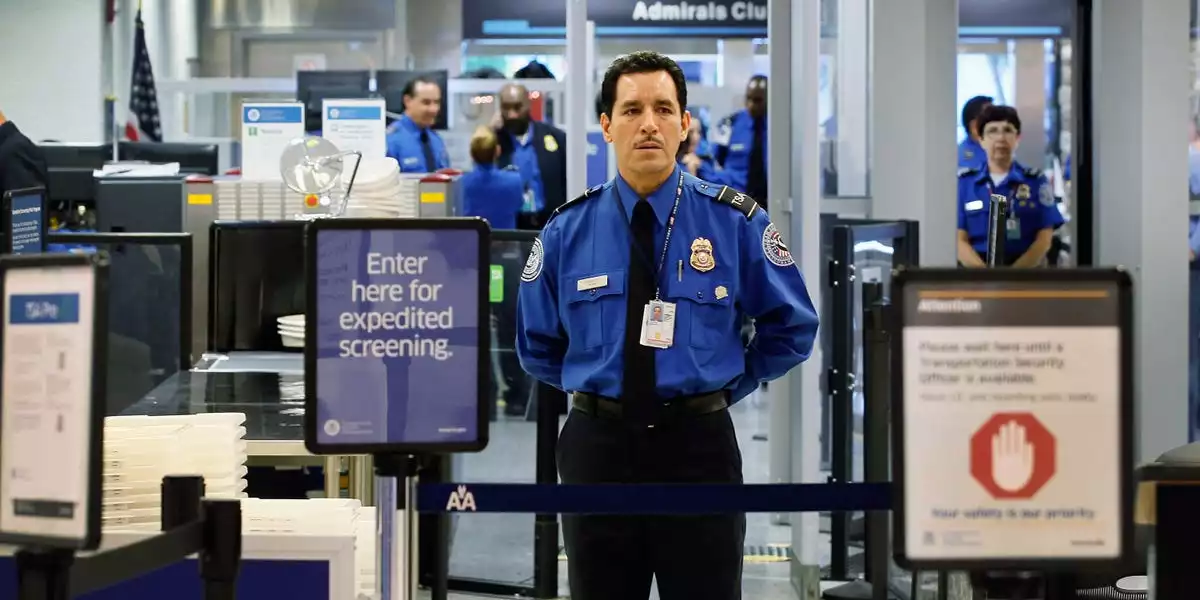

A controlled reopening of the “post-security” airport economy
The Transportation Security Administration’s Gateside pilot program marks a notable shift in how U.S. airports may define access, commerce, and community presence inside terminals. For the first time in the post‑9/11 era at meaningful scale, non-ticketed individuals—friends, family members, and business contacts—can be approved to clear TSA security checkpoints at 13 participating airports and spend time in the same post-screening areas as travelers.
Operationally, Gateside is designed to feel modern and low-friction:
- No fee to apply
- No physical pass issued
- Approval is shown via mobile-displayed Gateside status alongside standard ID presentation
- The experience is intended to integrate with TSA PreCheck lanes rather than create a separate, slower pathway
The airport list spans both major hubs and mid-sized facilities—an important detail. It suggests TSA is not merely testing the concept in a single “showcase” market, but evaluating how the model behaves under different throughput patterns, staffing realities, and terminal designs. Capacity controls during peak periods further signal that TSA is treating Gateside as a demand-managed access layer, not an open-ended invitation.
Digital identity as the real pilot: what Gateside implies for security technology
While the headline is about letting non-travelers beyond the checkpoint, the deeper story is that Gateside functions as a live test environment for digital identity and risk-based screening. By avoiding paper credentials and relying on mobile status verification, TSA is implicitly validating a future where access decisions are increasingly software-mediated.
Several security dynamics stand out:
- Frictionless identity verification: Gateside leans on existing identity checks and established checkpoint workflows, but adds a digital eligibility layer. This is a step toward broader decentralized credentialing, where permissions can be granted, revoked, and audited quickly.
- Risk scoring in a mixed-use environment: Allowing non-ticketed entrants increases variability—more people, more intent types, more edge cases. TSA’s choice to apply identical conduct rules and screening expectations to all entrants indicates confidence that current screening processes and analytics can absorb the added complexity.
- A runway for advanced identity tech: If Gateside scales successfully, it becomes a natural bridge to more sophisticated systems—potentially including biometric verification, device-based credentials, or tamper-resistant digital attestations. Whether those tools are adopted will depend as much on public trust and governance as on technical readiness.
Just as importantly, Gateside will likely be judged not only by incident rates, but by queue stability and checkpoint predictability. In aviation, operational confidence is a security outcome: if a program introduces volatility at the checkpoint, it can degrade compliance, passenger behavior, and staffing resilience even without a single major security event.
Airports, retailers, and airlines: the business case behind post-security foot traffic
For airport operators and concessionaires, Gateside is more than a hospitality gesture—it is a potential lever for dwell-time monetization. Post-security areas are effectively premium retail corridors with a captive audience; expanding that audience to include locals and non-flying visitors changes the revenue equation.
Key commercial implications include:
- Incremental spend from non-travelers: A companion meeting a traveler early, a family seeing someone off, or a local stopping in for dining can create new transactions that are not tied to flight volume. If airports tailor offerings, per-capita spend could begin to resemble high-performing mixed-use retail environments rather than purely travel-driven purchases.
- Concession contract leverage: Higher and more predictable foot traffic can strengthen airports’ negotiating position with retailers, supporting performance-based leases or revised minimum guarantees. Over time, this may reshape the concessionaire ecosystem toward more data-driven, flexible formats.
- Terminal-as-destination strategy: Airports have long aspired to become “third spaces” with dining, retail, and even co-working. Gateside provides a policy mechanism to test that ambition in real conditions—especially at airports that can curate experiences such as limited-time pop-ups, local brand showcases, or business-friendly lounges.
Airlines, too, may find strategic angles. Historically, gate passes were tightly controlled and often issued manually for special cases. Gateside introduces a standardized access framework that loyalty programs could eventually influence—potentially offering terminal access invitations as a premium perk, or bundling access with co-branded credit card tiers. That would extend airline engagement beyond seat inventory and into airport experience economics.
Operational constraints, privacy governance, and the blueprint for other secured venues
The most immediate constraint is capacity. TSA’s decision to limit Gateside during peak periods underscores a hard truth: checkpoint throughput is a finite resource, and aviation punctuality is unforgiving. To scale Gateside without disrupting flight operations, airports and TSA will likely need:
- Real-time occupancy monitoring across checkpoints and concourses
- Predictive analytics to forecast surges tied to banked departures and irregular operations
- Dynamic queue management that can throttle Gateside approvals when system stress rises
Then there is the question of data. Gateside visitors will generate a rich trail of signals—identity validation events, movement patterns, and purchase behavior inside secure zones. That creates both opportunity and exposure. Airports and federal partners will need clear rules around:
- Data minimization and retention (what is collected, for how long, and why)
- Data-sharing boundaries between TSA, airports, and concessionaires
- Transparency that anticipates privacy scrutiny, particularly as digital identity systems mature
If Gateside proves operationally stable and publicly acceptable, its influence may extend beyond aviation. The model—time-bound, digitally authorized access to a secured perimeter—is highly portable. Train stations, stadiums, large event venues, and even certain corporate or civic campuses could adapt similar frameworks, especially where security screening already exists but access policies remain blunt and manual.
Gateside, at its core, is a test of whether the modern airport can be both secure infrastructure and accessible civic marketplace—and whether digital identity can expand access without expanding risk. The airports that treat this as a coordinated security-and-commerce redesign, rather than a simple policy tweak, are likely to define what the next decade of terminal life looks like.

 By
By
 By
By
 By
By
 By
By
 By
By


 By
By