
The High-Stakes Return of SNL: Satire, Strategy, and the Shifting Late-Night Economy
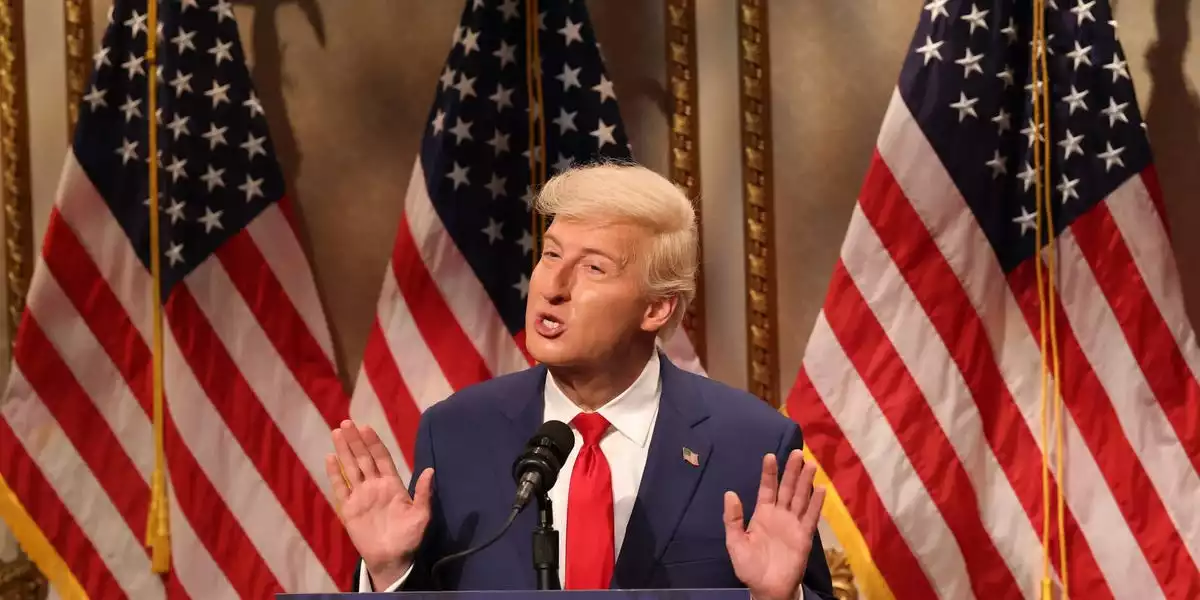
When “Saturday Night Live” launched its 51st season, it did so not with a whimper, but with a gleeful provocation. The cold open—a raucous lampoon of Donald Trump and newly minted defense secretary Pete Hegseth—wasn’t just a nod to tradition. It was a calculated signal to viewers, advertisers, and regulators alike: SNL remains the cultural nerve center where politics, entertainment, and commerce collide, even as the late-night landscape faces unprecedented scrutiny and reinvention.
Election-Year Alchemy: SNL as an Economic Engine
Few properties in television history have demonstrated SNL’s uncanny ability to turn political chaos into ratings gold. Election cycles are the show’s high tide, with viewership swelling as national stakes rise. NBCUniversal, acutely aware of this counter-cyclical effect, wasted no time resurrecting its signature Trump caricatures—priming the pump for a surge in both live ratings and digital engagement just as the 2024 advertising marketplace enters its most fevered phase.
Key economic dynamics at play:
- Live Event Magnetism: In an era of cord-cutting and on-demand everything, SNL’s live, “must-see” aura offers linear networks rare insulation—a communal event streaming libraries struggle to replicate.
- Multi-Platform Monetization: The syndication flywheel is in full spin. Peacock’s next-day streaming, viral YouTube clips, and a robust social media presence extend SNL’s reach far beyond Saturday night, recycling sketches into long-tail revenue streams. This is especially critical as traditional ad CPMs plateau and NBCU seeks incremental ARPU from streaming tiers.
- Demographic Arbitrage: Political satire is a magnet for the coveted 18-34 demographic—audiences increasingly elusive as advertisers migrate spend away from platforms like Facebook and Instagram due to brand-safety concerns. SNL’s edge is its ability to aggregate these viewers at scale, offering advertisers a rare, contextually relevant opportunity.
Navigating the Regulatory Gauntlet: Satire in the Surveillance Age
The specter of regulatory intervention loomed large in SNL’s season opener, with a scripted FCC “attack dog” serving as both punchline and warning shot. This was more than meta-humor—it was a tacit acknowledgment of the “surveillance-compliance loop” now governing late-night content. The recent suspension of “Jimmy Kimmel Live!” after incendiary remarks tied to the assassination of Charlie Kirk underscored how swiftly networks will self-censor when advertiser or political blowback threatens.
Emerging regulatory and reputational flashpoints:
- Section 230 and Broadcast Indecency: The boundaries of permissible satire are in flux, with renewed debate over the legal frameworks that shield (or expose) networks to liability.
- Algorithmic Amplification: As AI-driven recommendation engines shape what audiences see, the stakes for politically edged entertainment rise—potentially altering cost structures and risk calculations for legacy brands.
- Advertiser Sensitivity: In a climate of heightened polarization, even the whiff of controversy can trigger sponsor pullback, forcing networks to walk a knife-edge between relevance and risk.
The Convergence Playbook: Celebrity Crossovers and Platform Wars
SNL’s decision to feature Bad Bunny as host was more than a booking coup—it was a strategic alignment with the fastest-growing force in global pop culture. His presence offered a bridge to bilingual, mobile-first audiences that remain under-monetized, while doubling as a pre-Super Bowl halftime teaser—an elegant cross-promotion for NBCU’s most lucrative sports partner.
Competitive and technological inflections:
- Short-Form Disruption: Platforms like TikTok and YouTube Shorts siphon away comedy minutes, but also serve as powerful distribution arteries. NBCU must balance viral reach against the risk of cannibalizing Peacock subscriptions.
- AI-Driven Production: Generative AI is lowering the barrier to entry for digital-native satirists, intensifying competition. SNL’s defense? The irreplicable energy of live performance and the gravitational pull of A-list celebrity bookings.
- Unified Measurement: Advances in cross-platform metrics (Nielsen One, Comscore) are poised to justify premium pricing for live satire—if, and only if, NBCU can prove unified reach and engagement.
Strategic Imperatives for a Fragmented Future
As political spending is projected to eclipse $10 billion in 2024, the battle for culturally resonant ad inventory intensifies. Marketers, networks, and streaming platforms face a delicate balancing act:
- Early Inventory Lock-In: Advertisers should secure late-night slots now, before election narratives drive prices skyward.
- Sentiment Analysis Investment: Networks must deploy real-time tools to calibrate satire risk, safeguarding both revenue and editorial independence.
- Interactive Engagement: Streaming platforms can differentiate by offering live fact-checking or audience polling, deepening both engagement and data capture.
- Cultural Authenticity: Brands targeting Gen Z and Hispanic audiences can leverage integrations with crossover artists, achieving scale and resonance.
As industry consolidation looms and regulatory frameworks evolve, SNL’s season premiere is more than a comedic tradition—it is a strategic bellwether. The show’s deft navigation of political, technological, and economic crosscurrents offers a revealing glimpse into how legacy media intends to survive—and thrive—in an era defined by fragmentation, polarization, and relentless innovation.

 By
By
 By
By
 By
By
 By
By


 By
By